Entertainment
 Sightseeing
 Food establishments




























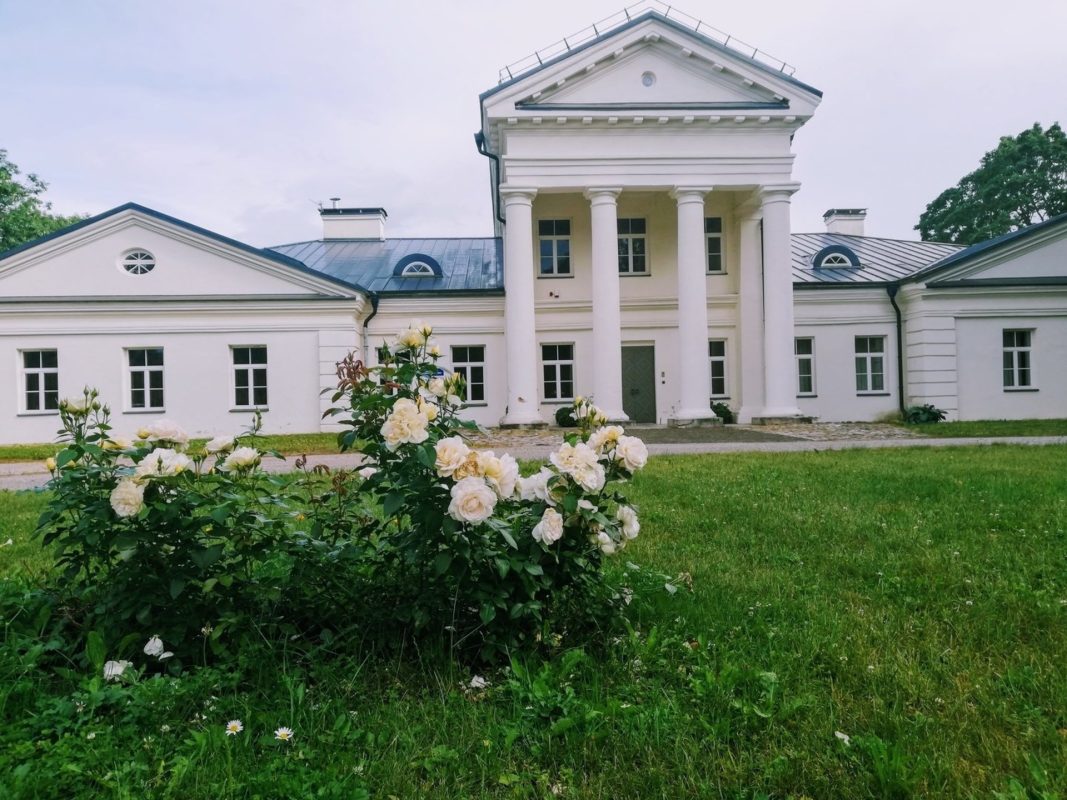
Dūkštas Manor

601

2

0
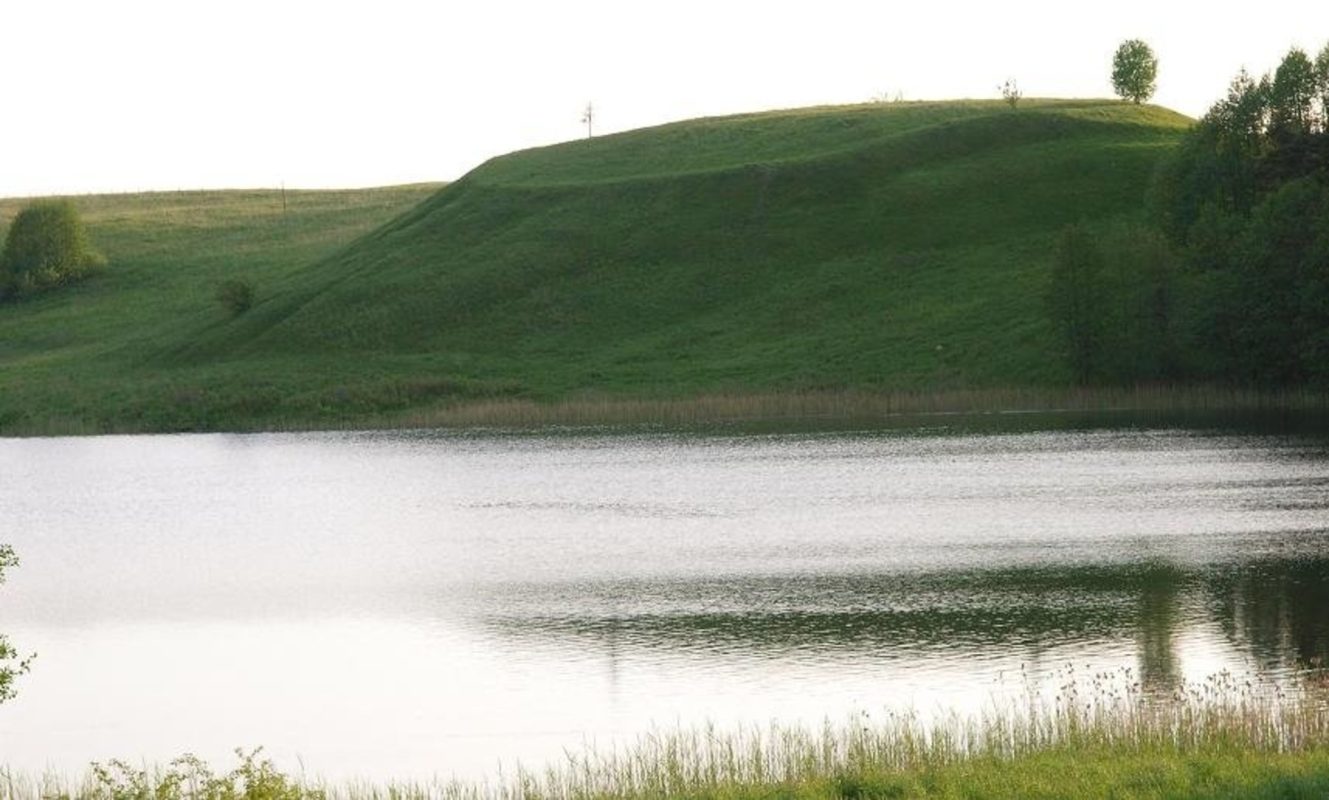
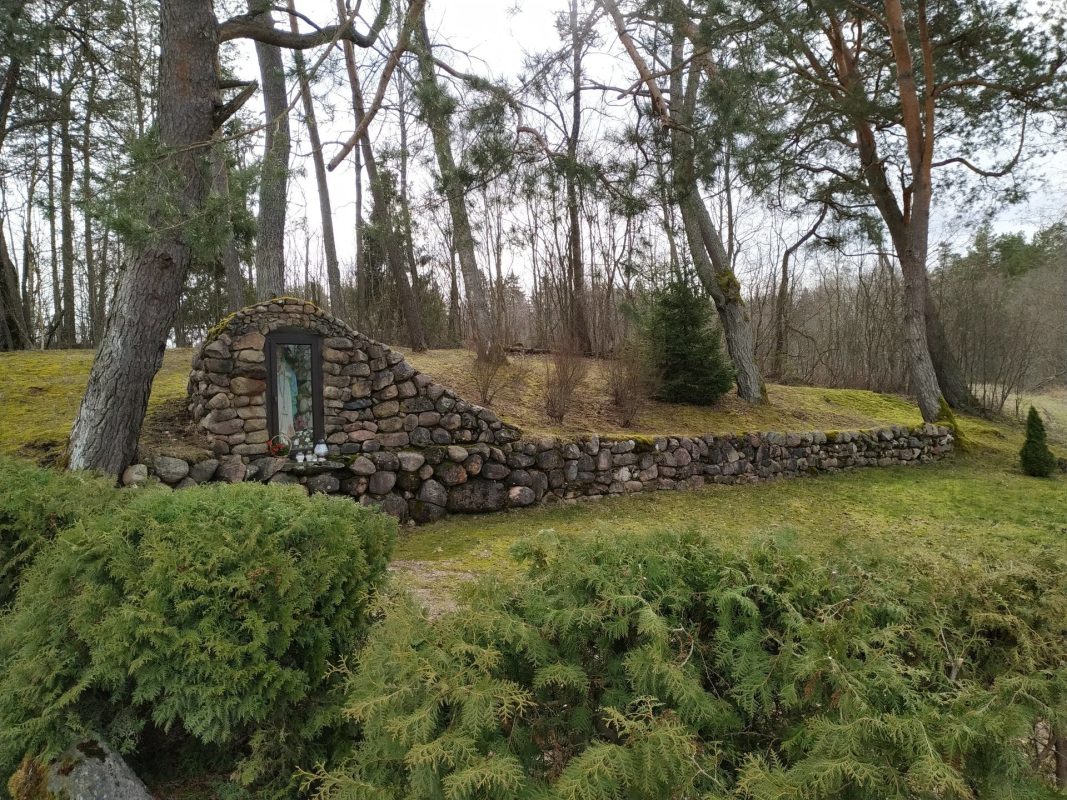
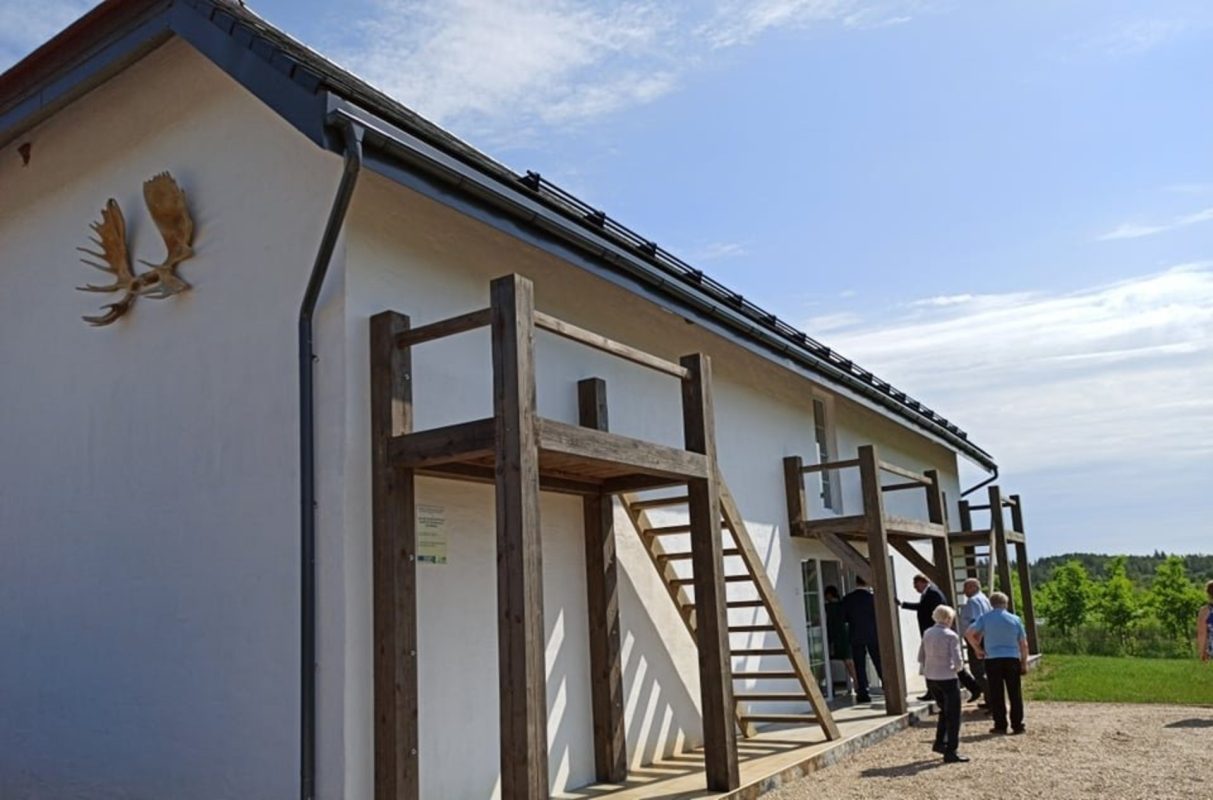
Located in the village of Dūkšteliai (Old Dūkštas), it is a state-protected architectural monument of national significance. It is 30 km from Ignalina, 3 km northwest of Dūkštas, in the Gražutė Regional Park, between two lakes: Parsvėtaitis and Persvėtas. To the west, it approaches the Old Dūkštas Hillfort. Established around 1862, the manor occupies 1.8 hectares. The entire manor complex consists of farm buildings, a paired barn, a carriage house-stable, a granary, a wooden farmhand house, and the manor house itself.
Info

 55.543783, 26.322962
 Get directions
Whats new?
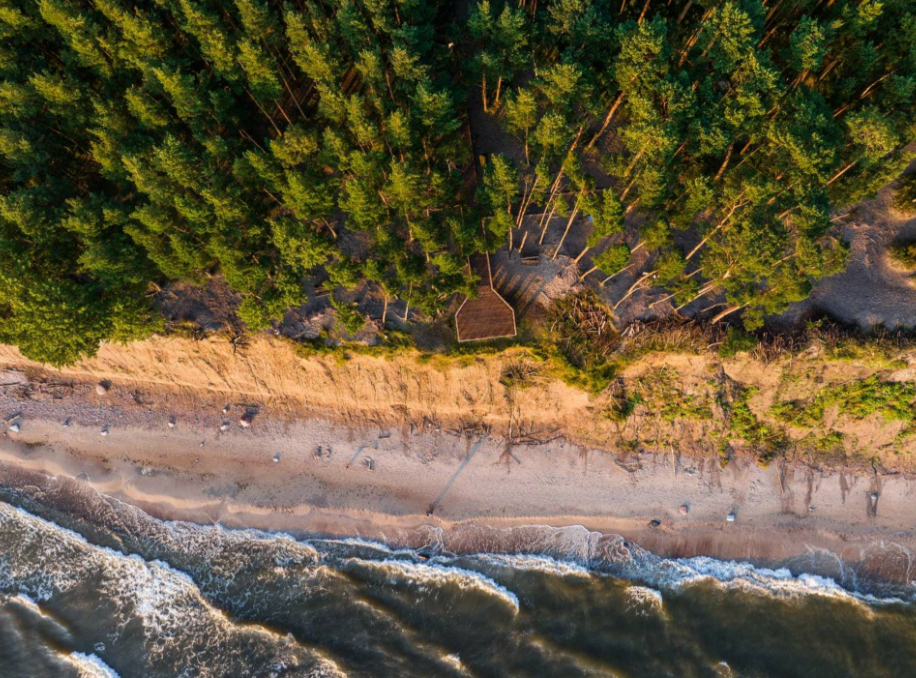
Three impressive Baltic seaside spots: Olando Kepurė, Veczemē Cliffs, Pakri Cliffs
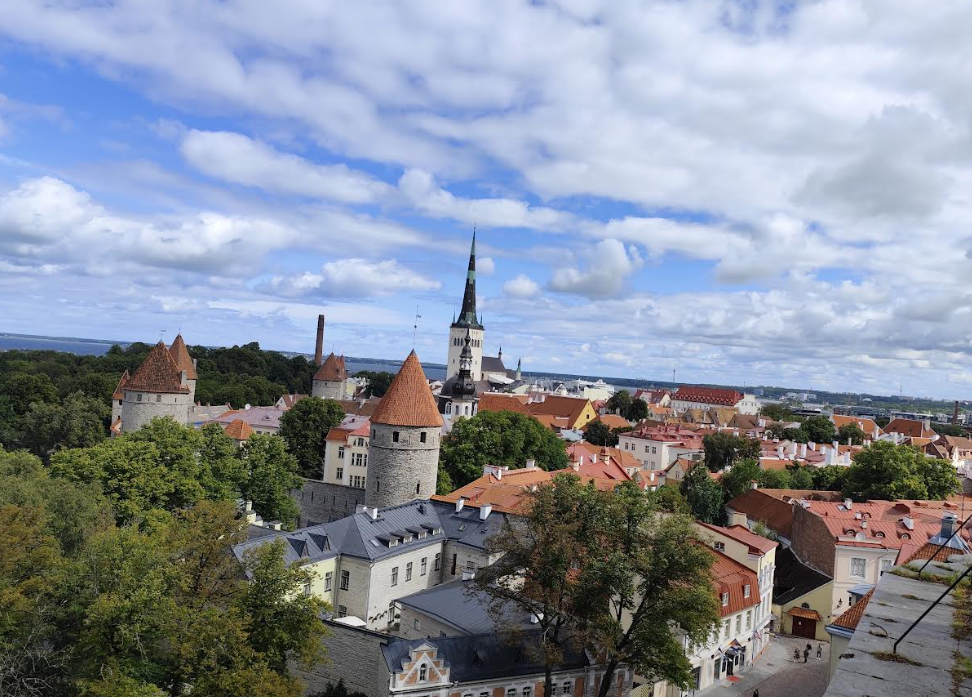
Discover Tallinn Old Town with MyTravis: a medieval spirit that surprises you at every step
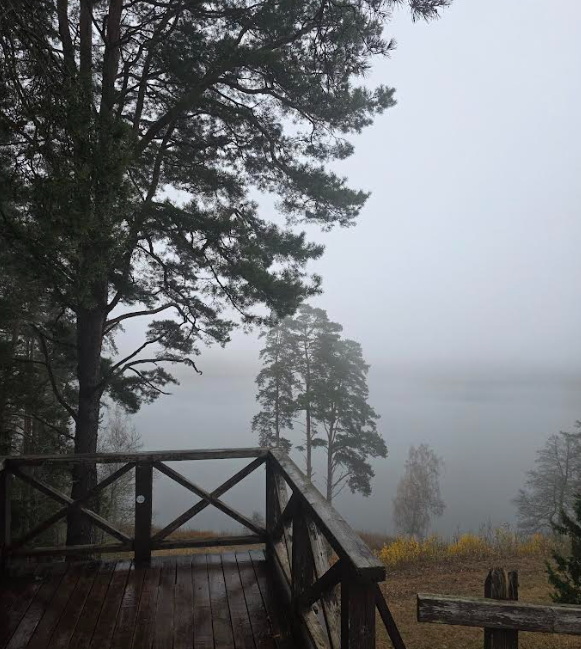
Women's hike through the mystery of the fog from Ginučiai Hillfort to Ladakalnis
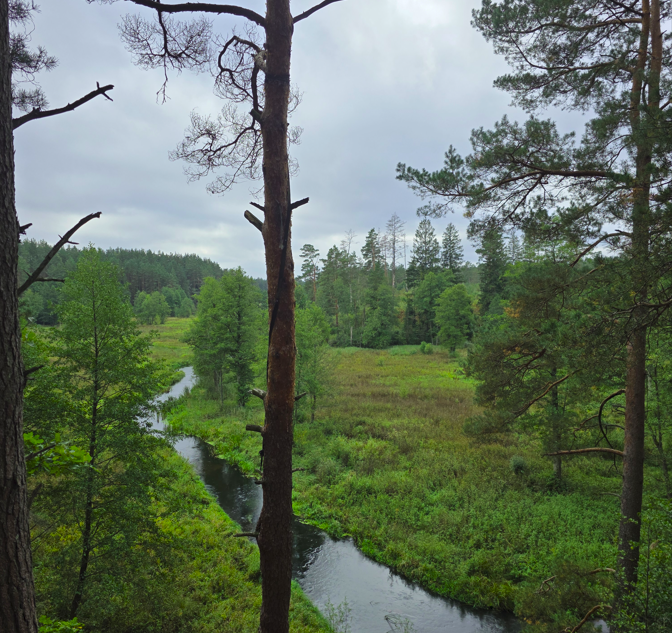
The first women’s hiking club hike in Marcinkonys: nature’s beauty, legends, and togetherness in Dzūkija
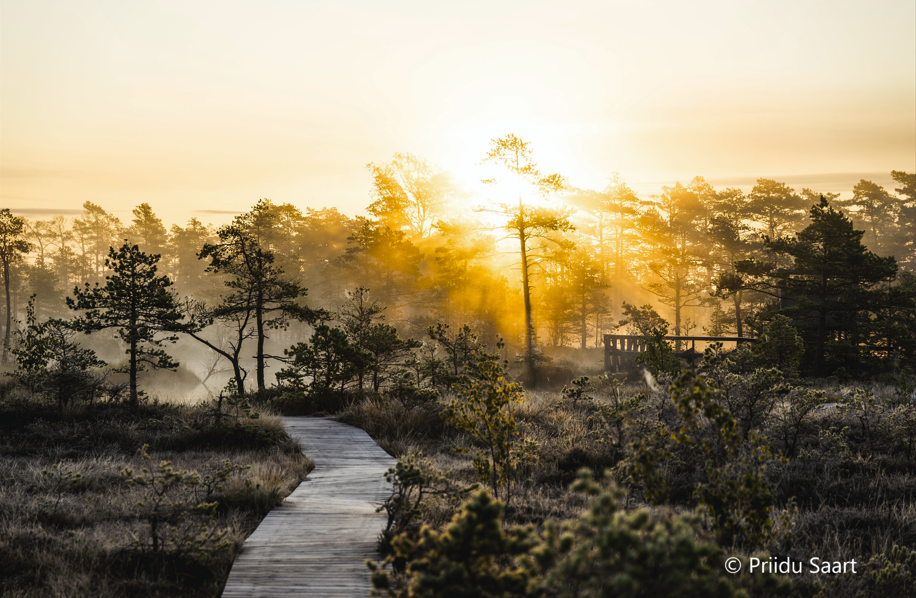
Nature Trails in the Pärnu Region: A Journey Through Estonia’s Natural Treasures
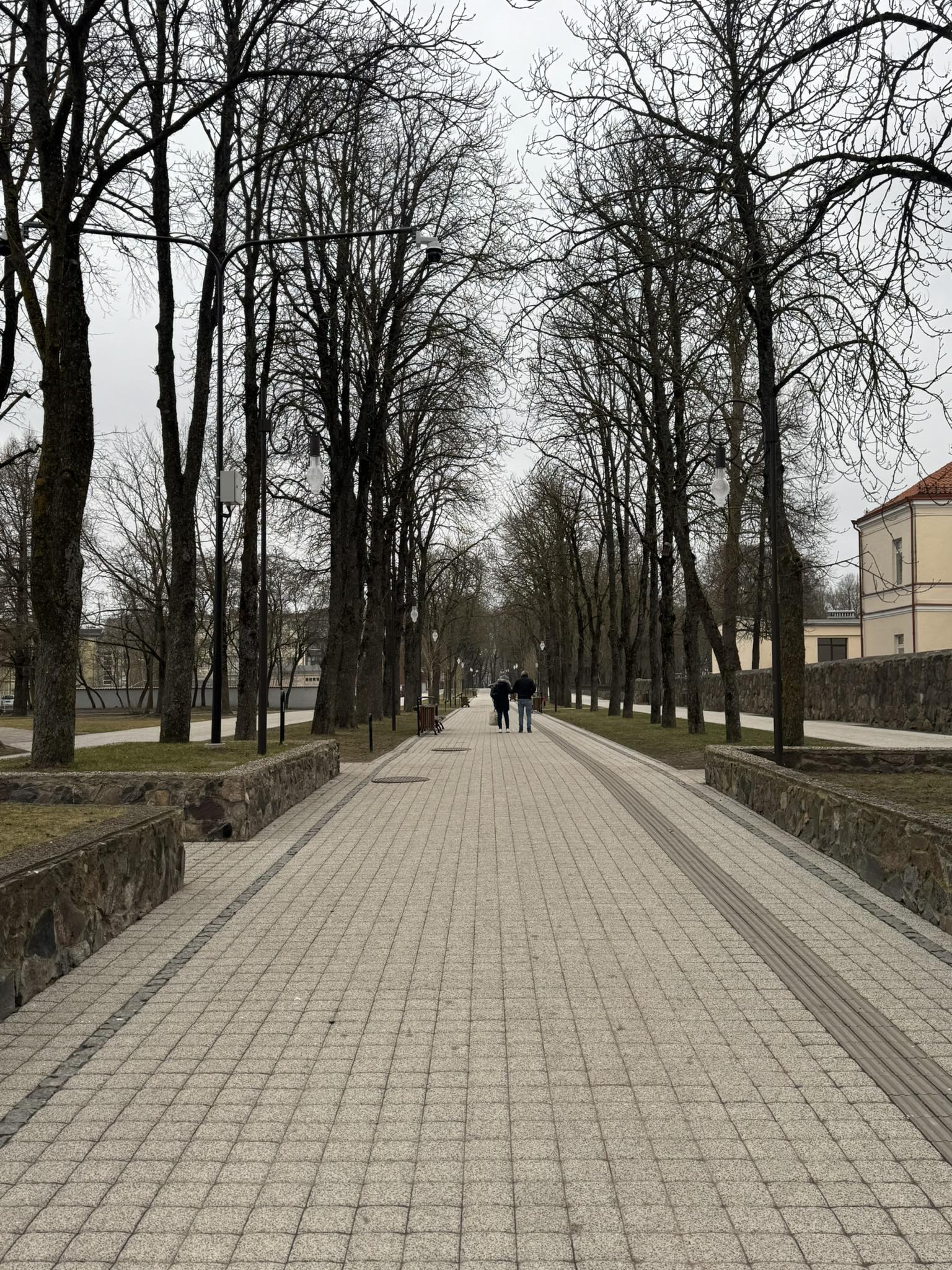
Šiauliai Chestnut Alley – a place where dozens of chestnut trees bloom
Kulautuva – the Pearl of the Nemunas Shore: What to See and Do?
Kauko Stairs in Kaunas – Woven with Myths and Natural Beauty
Kaunas Beast: A City Symbol Shrouded in Legends
Nearby attractions


Nearest museums

Info
Mytravis
Cities

A life full of travel is a source of good mood!
© 2026 MyTravis - All rights reserved | Privacy policy