Entertainment
 Food establishments





















Minčia Water Mill

577

0

0
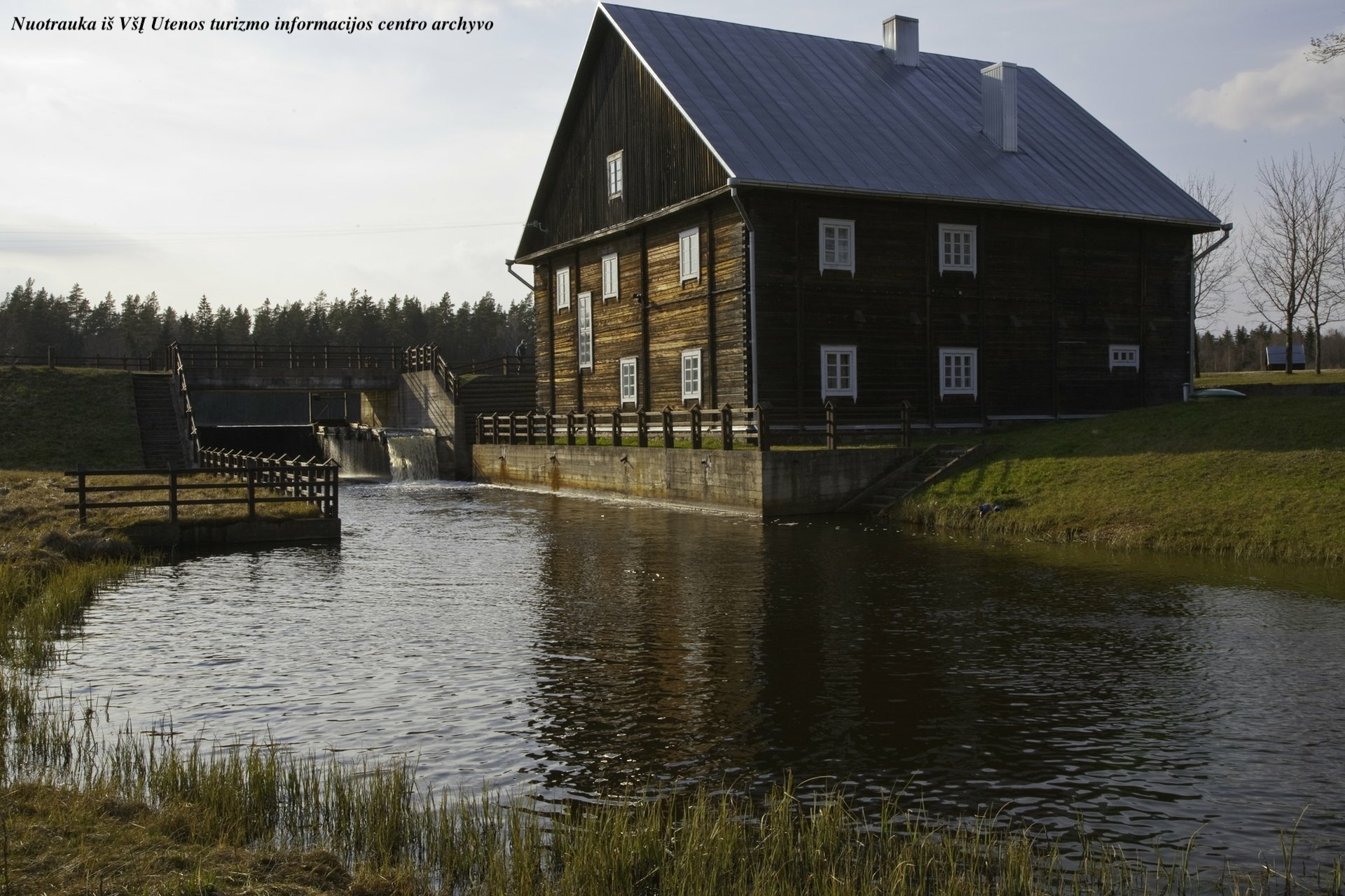
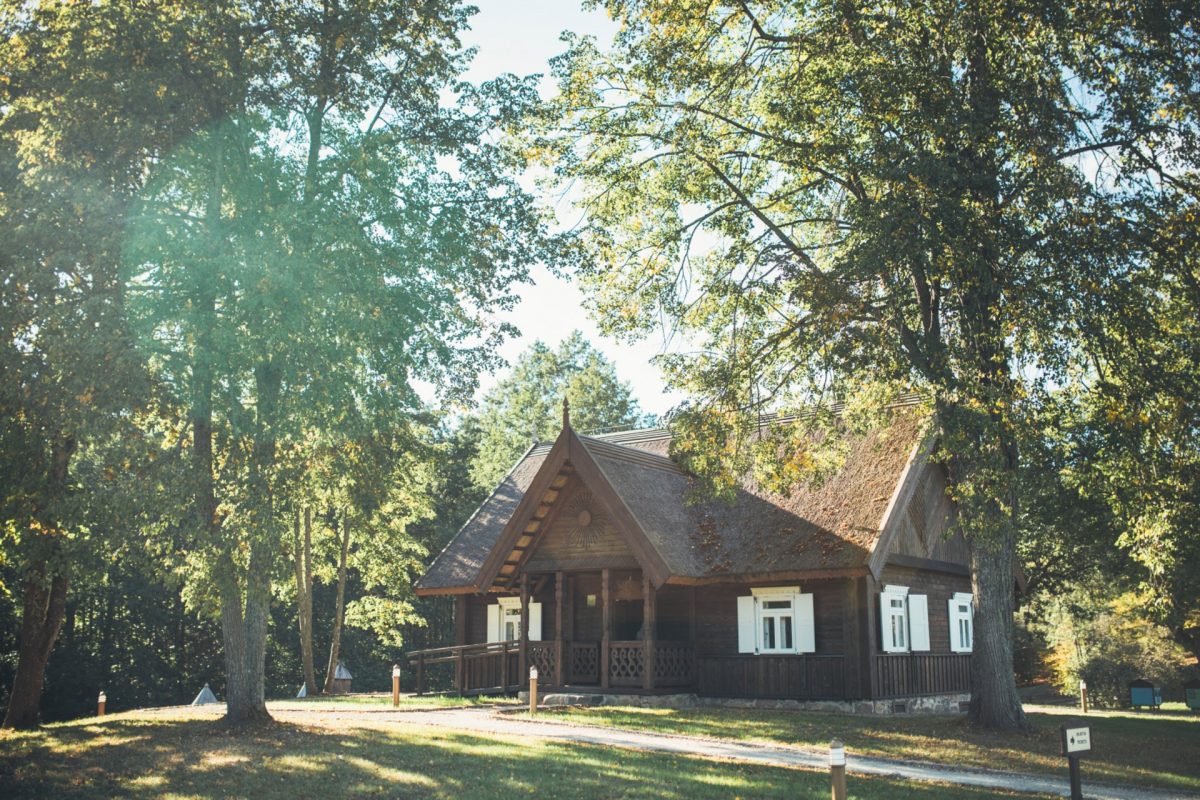
In the village of Minčia, on the banks of the Minčia River, an historic water mill was built over 200 years ago, beginning to grind grain as early as 1792. The mill was constructed from wooden logs and featured four millstones and a waterwheel. In addition to grinding grain, the Minčia estate also operated a sawmill and a copper forge, where the power of the Minčia River was utilized to produce thin sheets of copper.
Info
-

Architecture
-


 55.476452, 25.980239
 Get directions
Whats new?
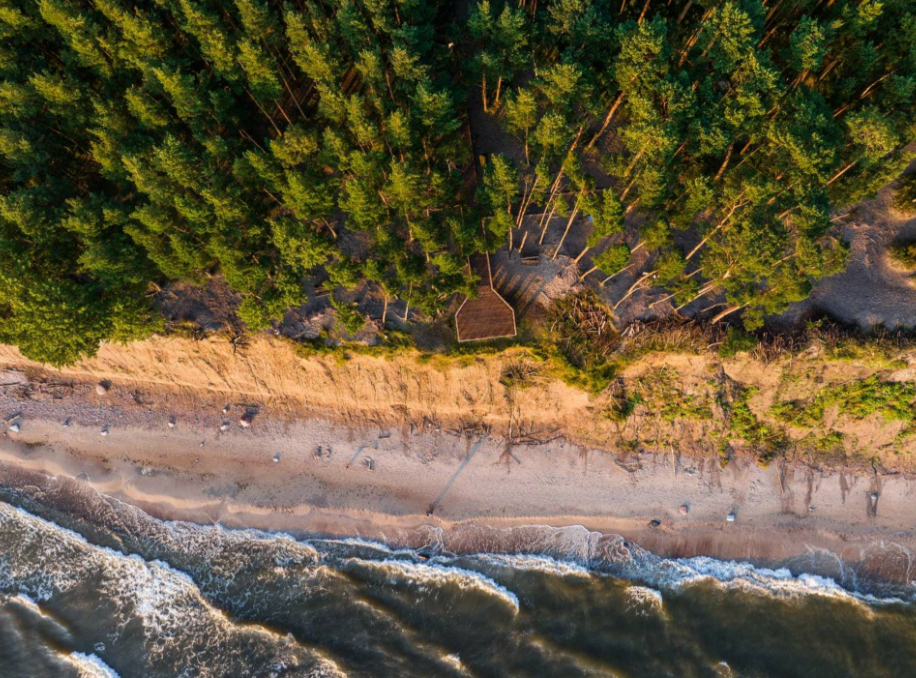
Three impressive Baltic seaside spots: Olando Kepurė, Veczemē Cliffs, Pakri Cliffs
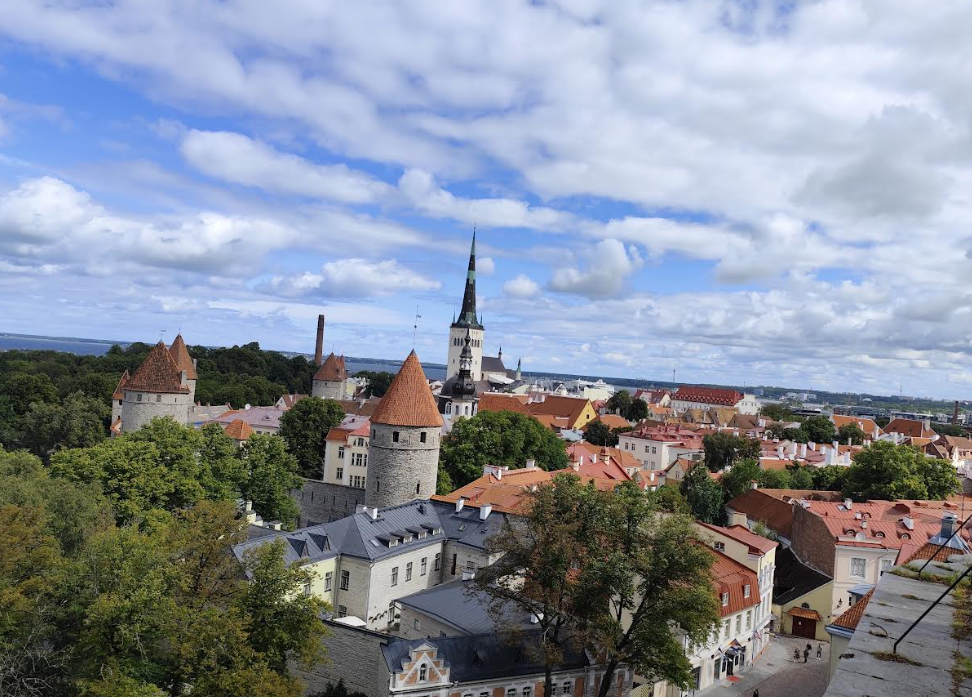
Discover Tallinn Old Town with MyTravis: a medieval spirit that surprises you at every step
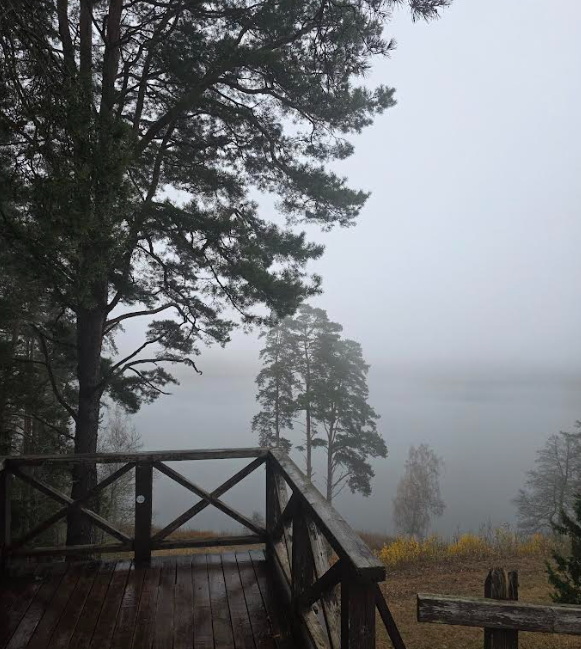
Women's hike through the mystery of the fog from Ginučiai Hillfort to Ladakalnis
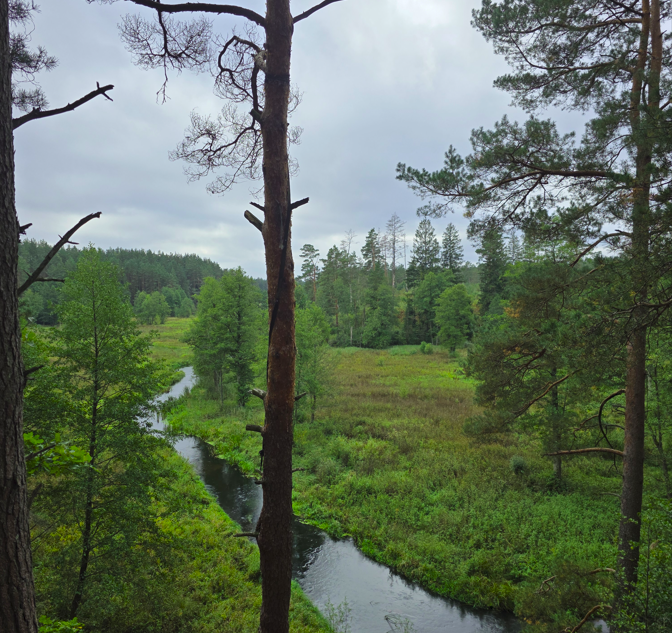
The first women’s hiking club hike in Marcinkonys: nature’s beauty, legends, and togetherness in Dzūkija
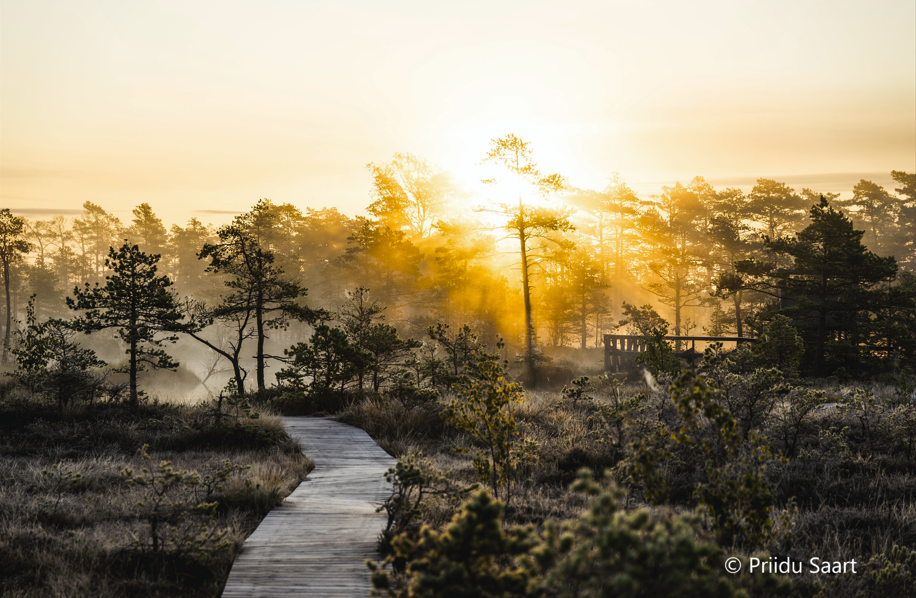
Nature Trails in the Pärnu Region: A Journey Through Estonia’s Natural Treasures
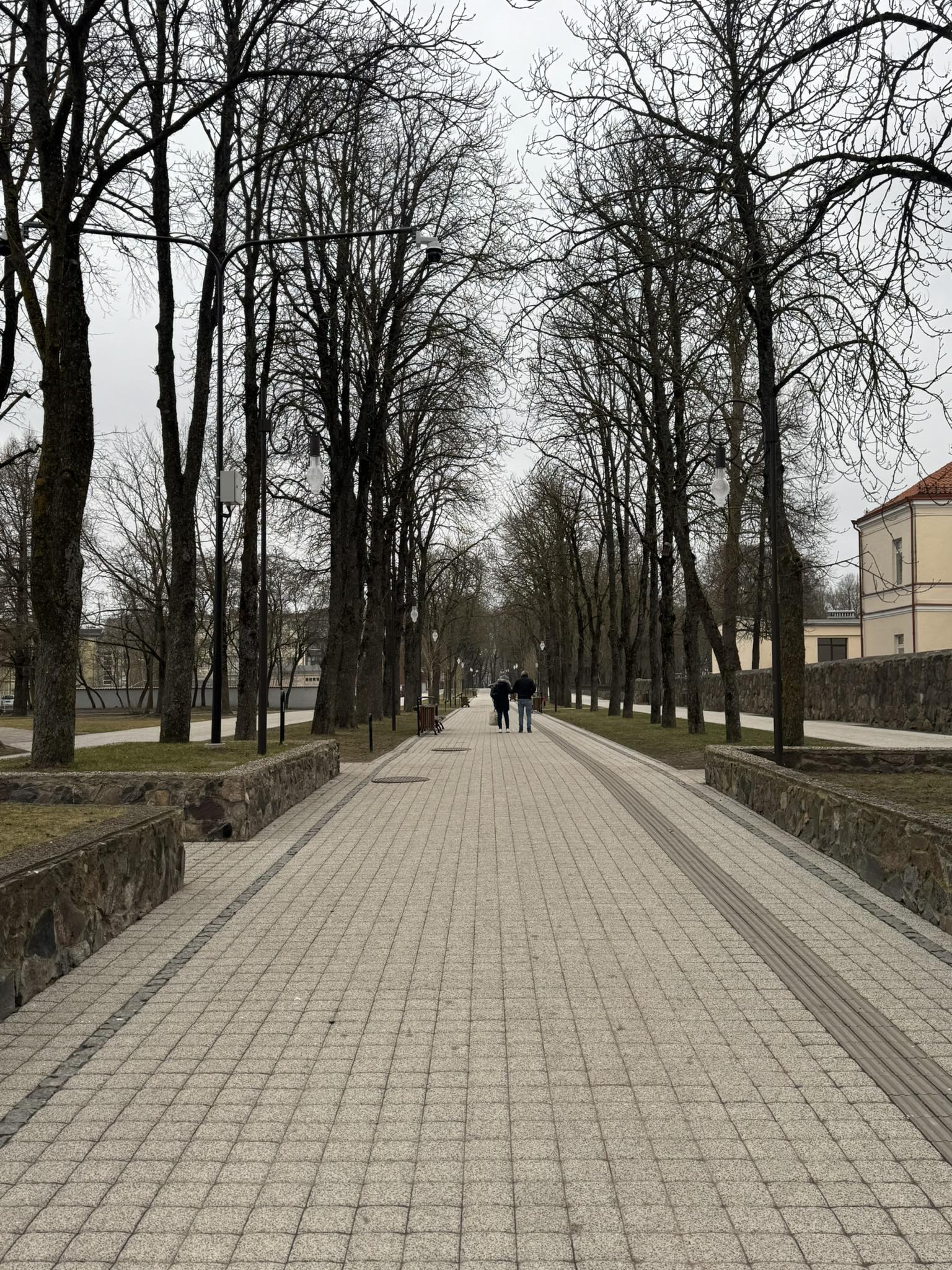
Šiauliai Chestnut Alley – a place where dozens of chestnut trees bloom
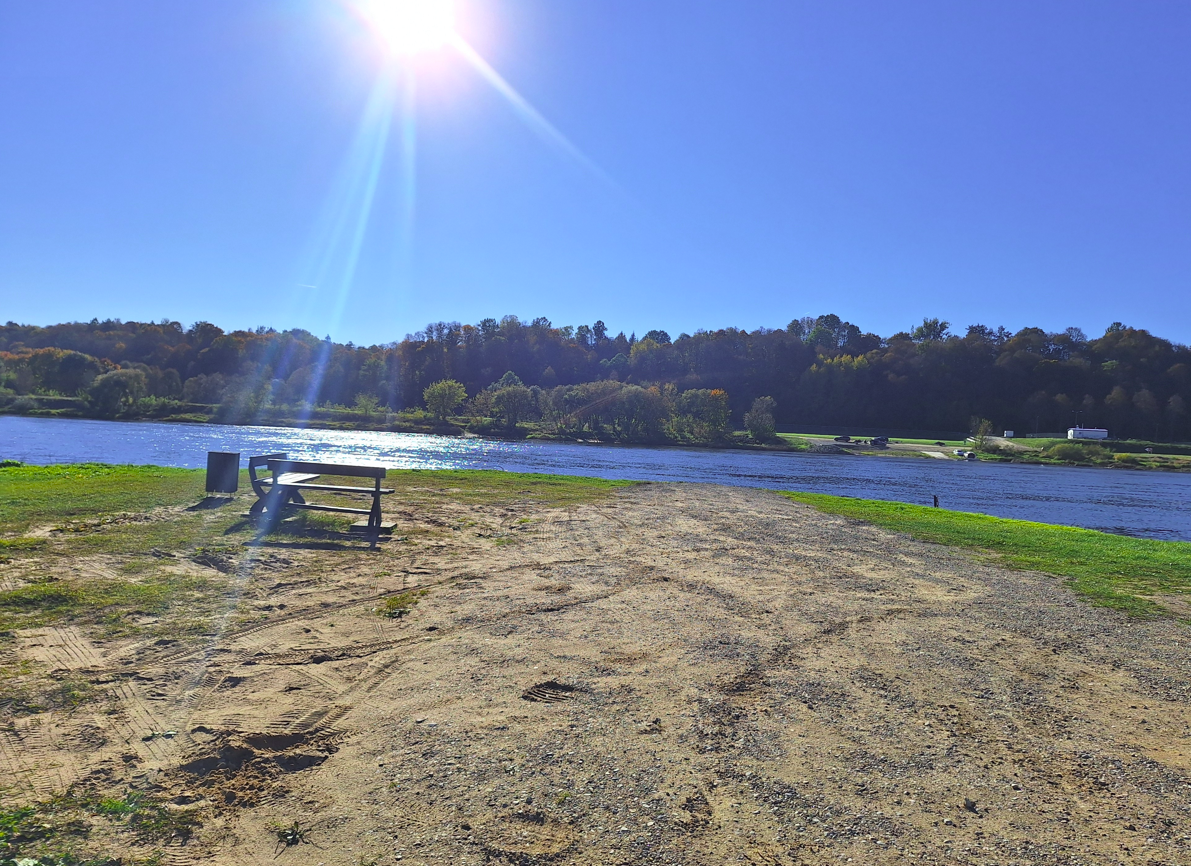
Kulautuva – the Pearl of the Nemunas Shore: What to See and Do?
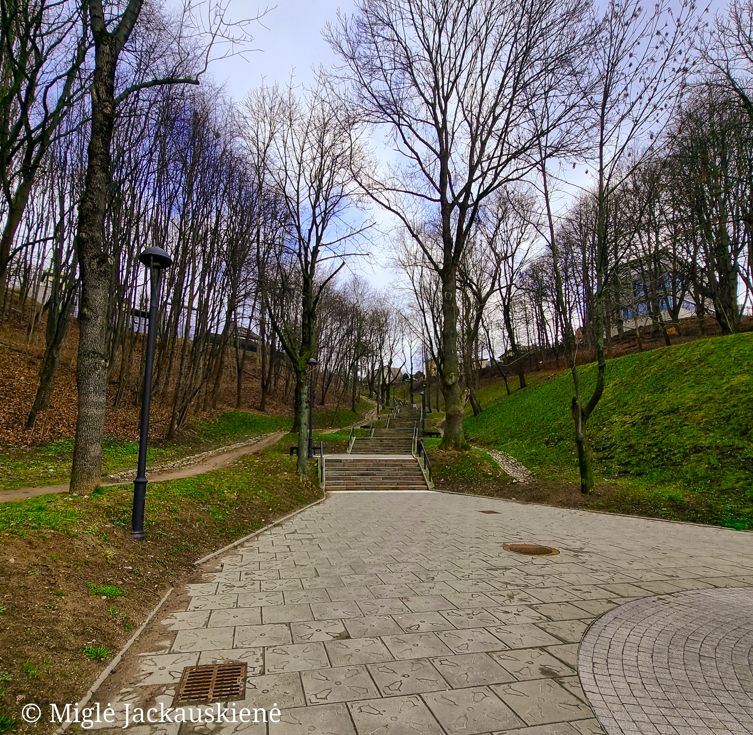
Kauko Stairs in Kaunas – Woven with Myths and Natural Beauty
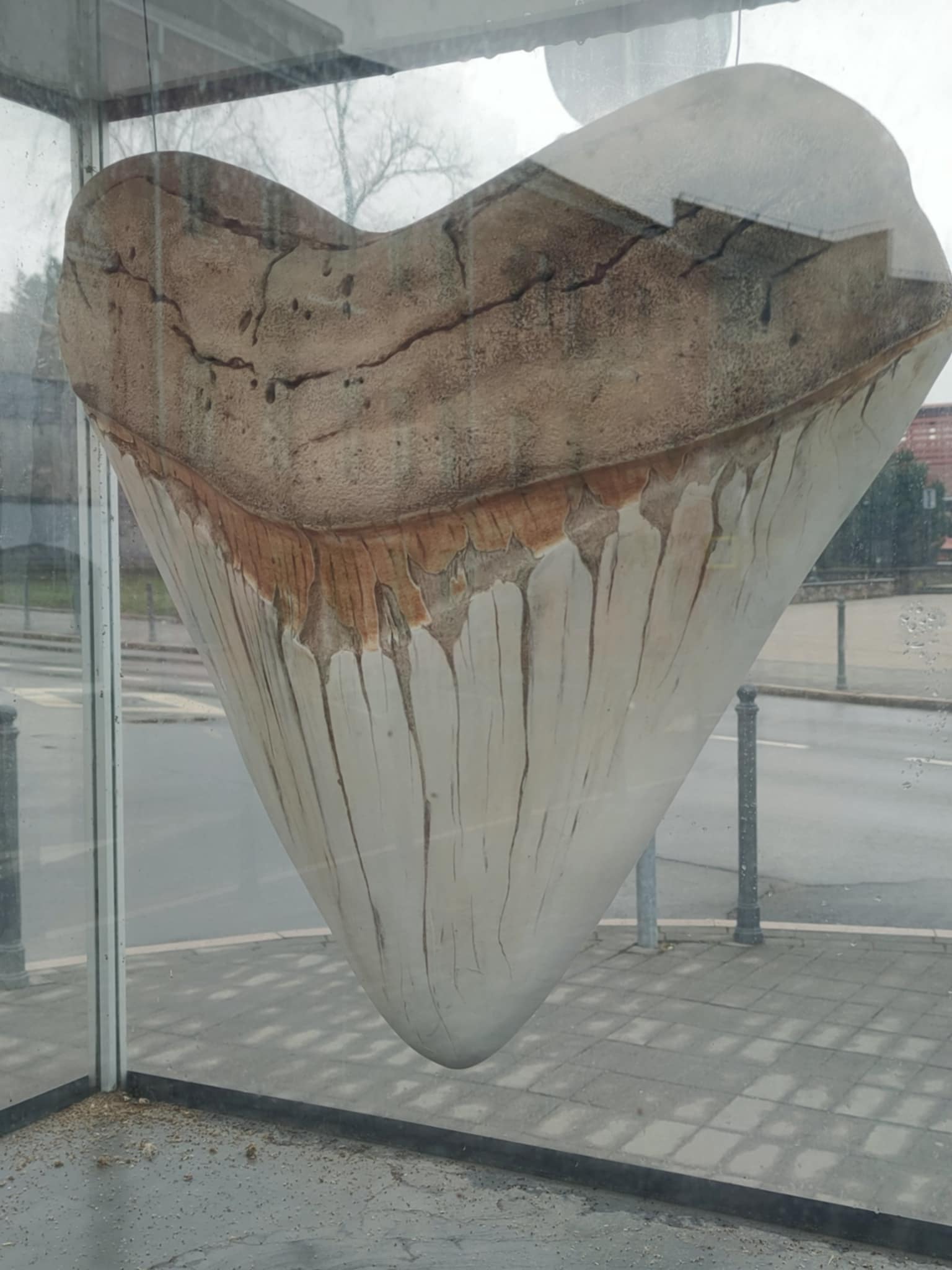
Kaunas Beast: A City Symbol Shrouded in Legends
Nearby attractions


.JPG)
Nearest museums

Nearest entertainment
.jpg)
Nearest food establishments translate this into LT


Nearest accommodations
Info
Mytravis
Countries

A life full of travel is a source of good mood!
© 2026 MyTravis - All rights reserved | Privacy policy