Entertainment
 Sightseeing
 Food establishments




























Biržuvėnai Manor Estate

644

0

0
0 out of 5
(0 reviews)
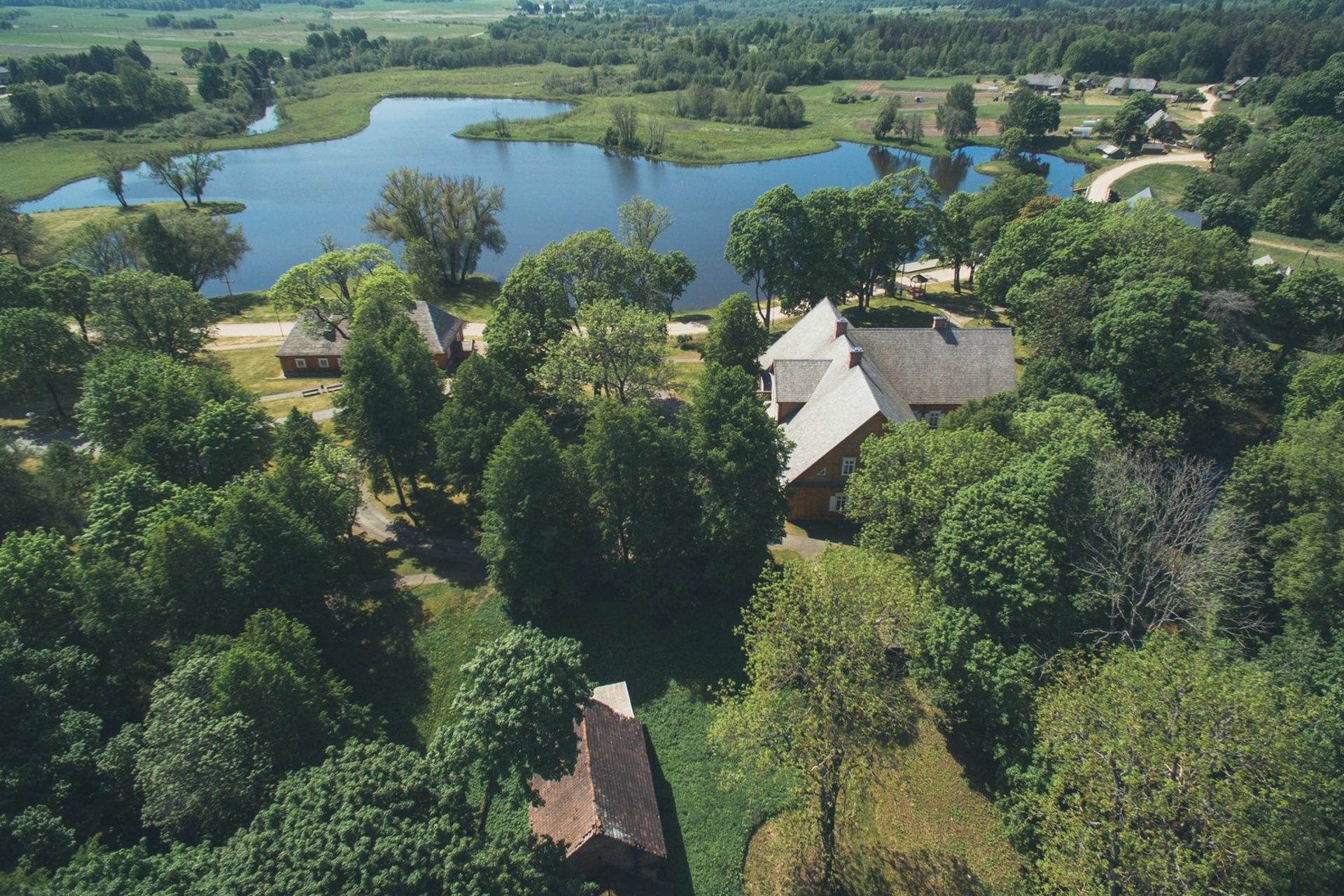
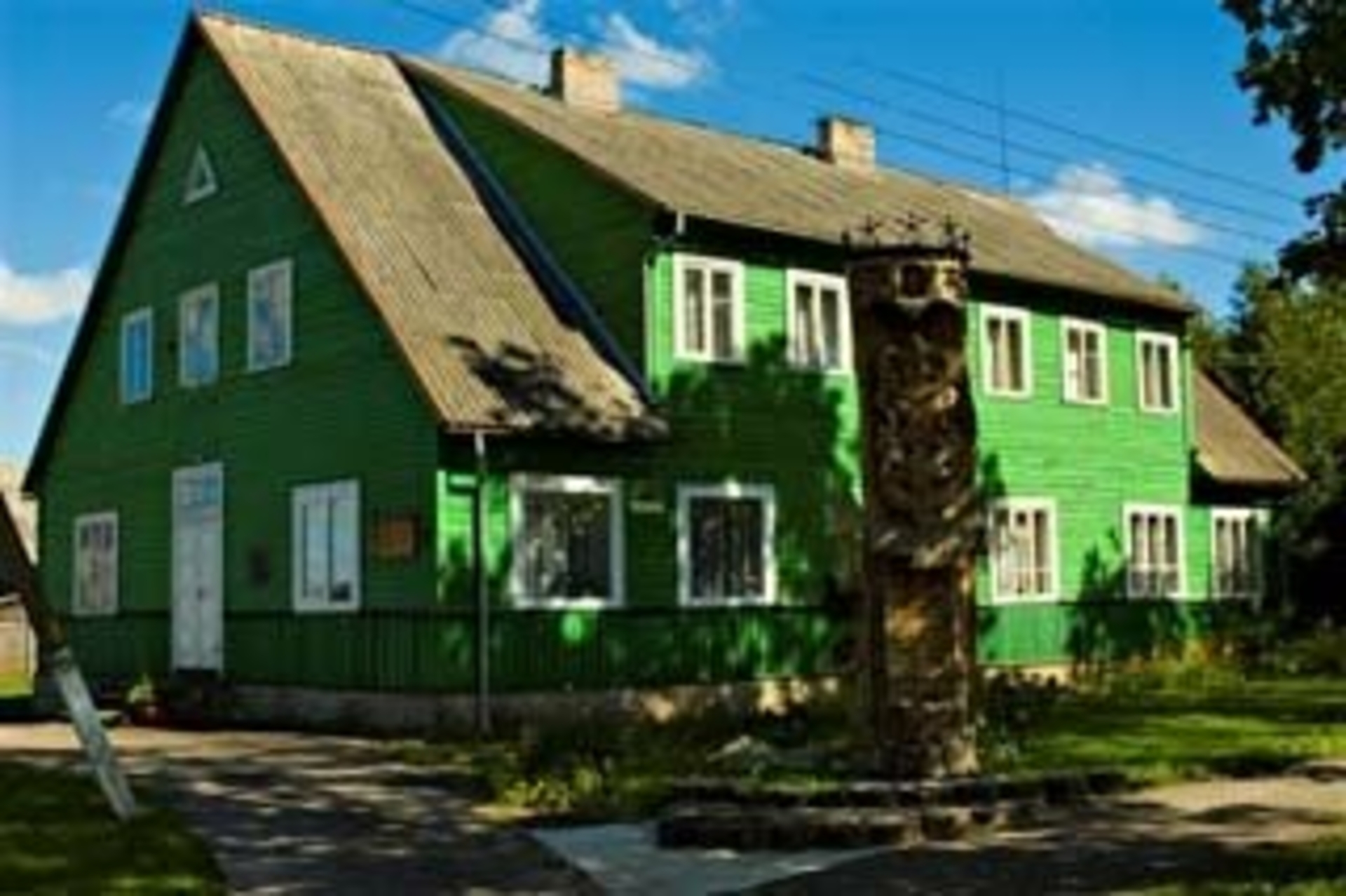
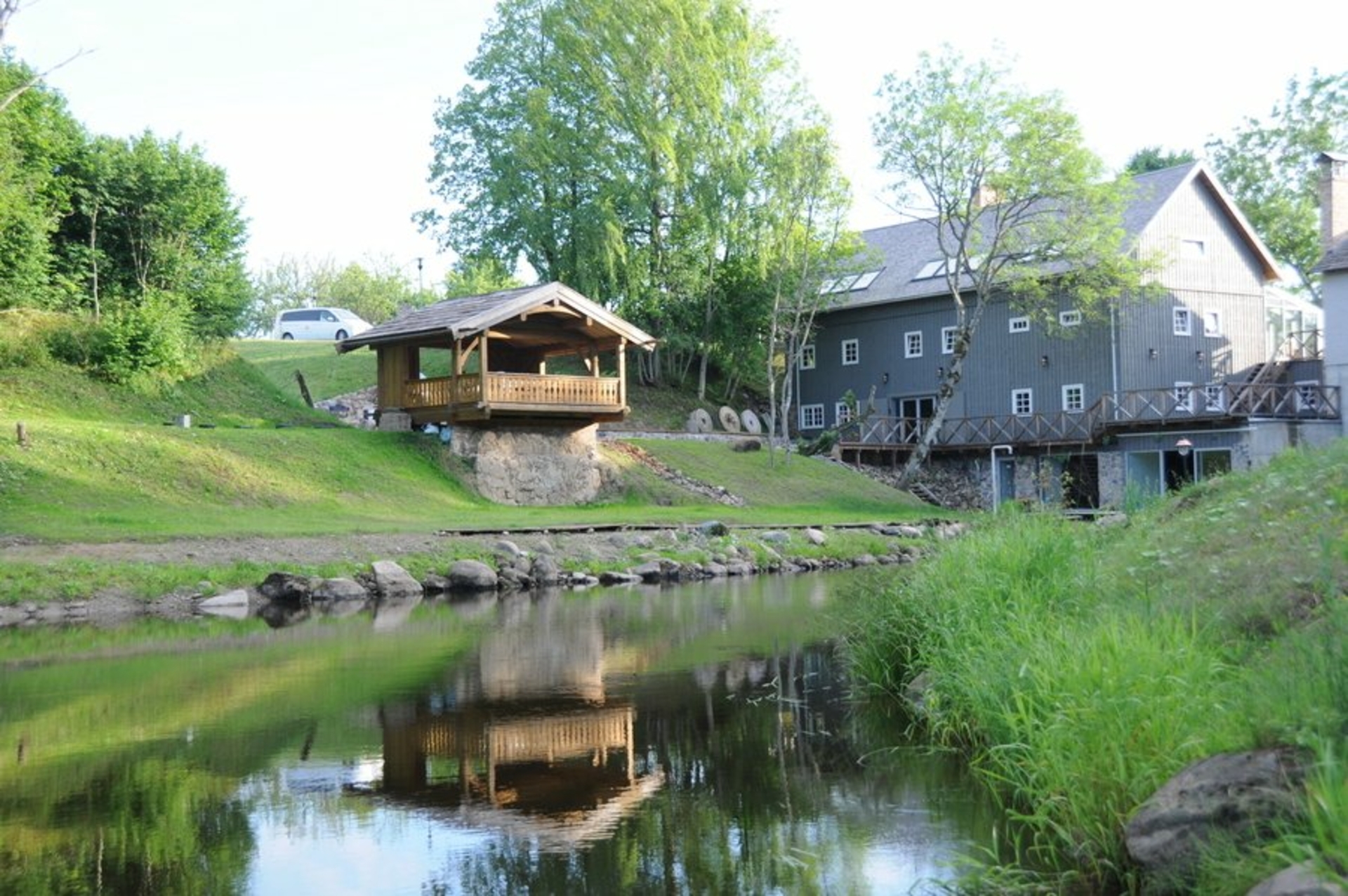
Biržuvėnai Manor is a unique 18th–19th-century wooden manor estate that has preserved all the characteristic elements typical of Lithuanian feudal estates. The manor complex consists of representative, agricultural, production, and residential areas, reflecting Baroque and Classicist architectural styles. It is a significant tourist attraction, especially for those interested in the history of Lithuanian manors, their architecture, and the way of life of their inhabitants.
Info

 55.894187, 22.458488
 Get directions
Biržuvėnai Manor is a unique 18th–19th-century wooden manor estate that has preserved all the characteristic elements typical of Lithuanian feudal estates. The manor complex consists of representative, agricultural, production, and residential areas, reflecting Baroque and Classicist architectural styles. It is a significant tourist attraction, especially for those interested in the history of Lithuanian manors, their architecture, and the way of life of their inhabitants.
The manor underwent several reconstructions, with the largest one occurring in the mid-19th century. Unfortunately, during the Soviet era, the estate suffered significant damage, and in 2004, the manor house burned down. Following the fire, the manor house was rebuilt in 2011, with efforts made
to preserve its authenticity. Today, visitors can admire original fireplaces with 18th-century tiles, antique furniture, and other historically significant elements. The estate also features a restored office building, stables, and carriage house.
In addition to being restored and adapted for tourism, Biržuvėnai Manor is becoming a new cultural hub. Since 2024, the Žemaitija Tourism Information Center has managed the estate, transforming it into a space for art and education. Visitors can learn about the Gorski family, the manor's former owners, and explore 19th-century culture through tours, exhibitions, concerts, and various educational activities. Biržuvėnai Manor welcomes both pilgrims traveling the Camino Lituano route and artists seeking a creative space.
Found a mistake?
Report
Whats new?
2025-11-17
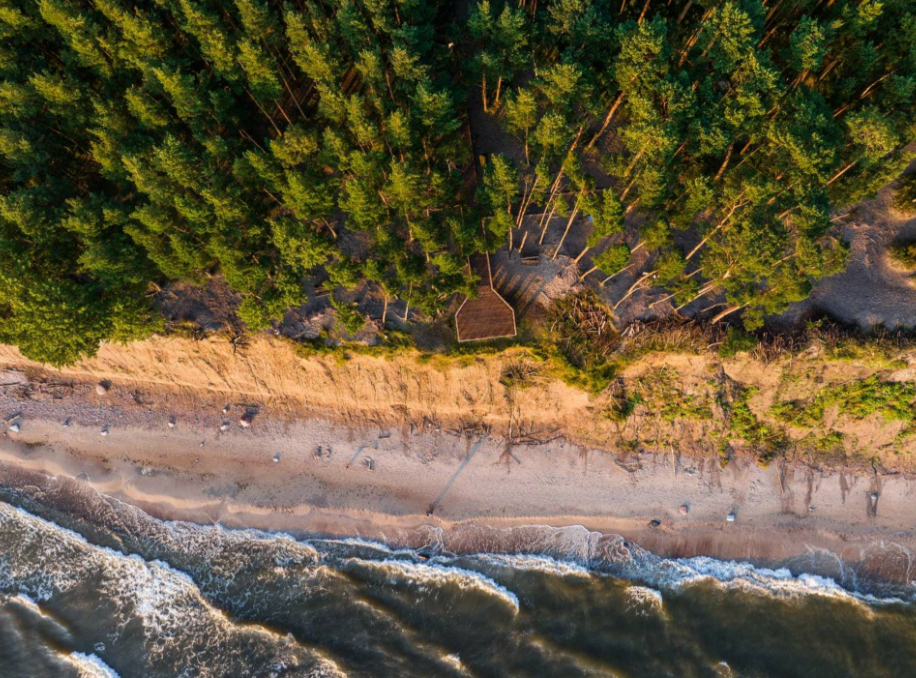
Three impressive Baltic seaside spots: Olando Kepurė, Veczemē Cliffs, Pakri Cliffs
The Baltic coast is a place where the land and the sea are in constant conversation. Where waves sha...
Read more
2025-11-13
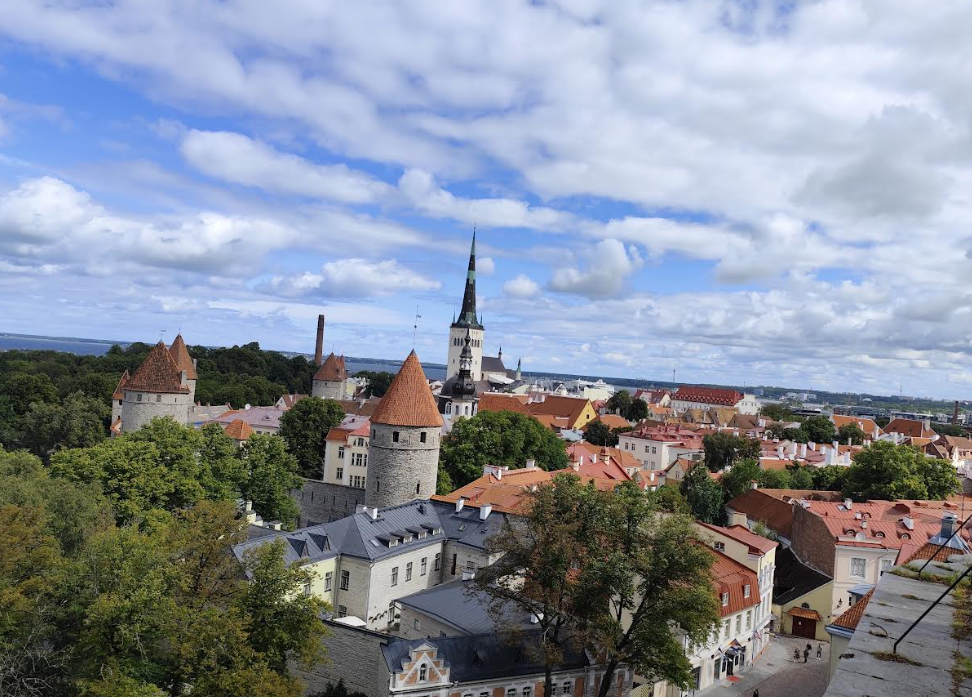
Discover Tallinn Old Town with MyTravis: a medieval spirit that surprises you at every step
Tallinn’s Old Town is like an open-air museum. A member of the MyTravis team, after visiting Estonia...
Read more
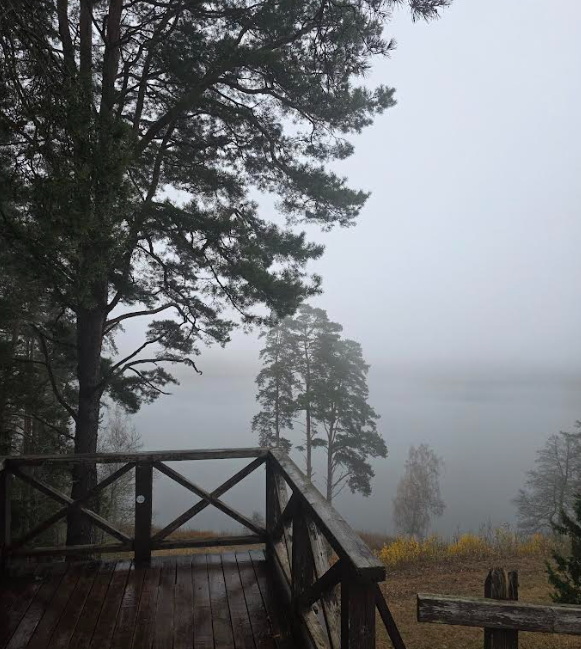
2025-11-12
Women's hike through the mystery of the fog from Ginučiai Hillfort to Ladakalnis
The third Women's Hike was organized by the club's founder, Ada Vėtrė, whose idea to bring women tog...
Read more
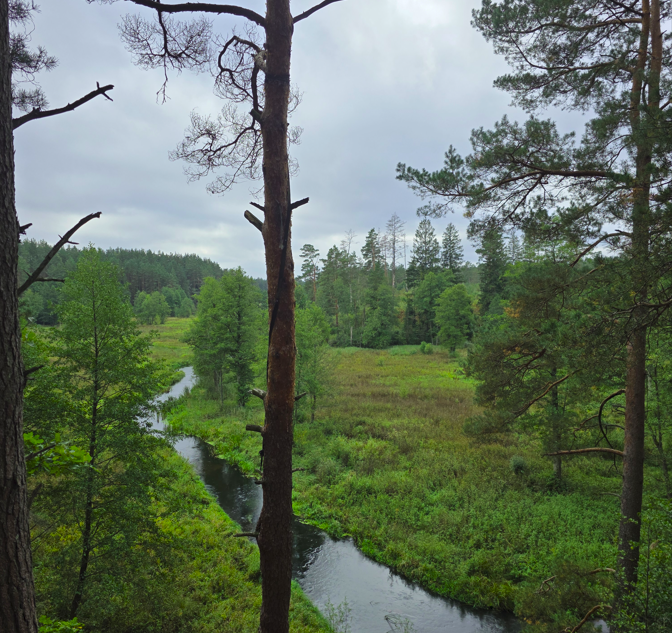
2025-09-24
The first women’s hiking club hike in Marcinkonys: nature’s beauty, legends, and togetherness in Dzūkija
On September 20, the first Women’s Hiking Club hike took place in Marcinkonys, organized by the club...
Read more
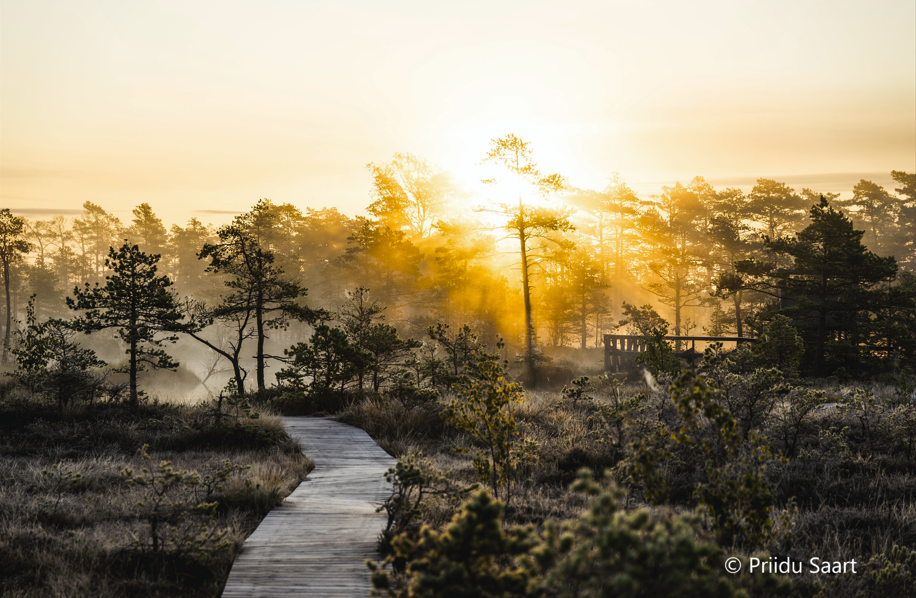
2025-06-15
Nature Trails in the Pärnu Region: A Journey Through Estonia’s Natural Treasures
The Pärnu region of Estonia is renowned not only for its resort town and coastline but also for its...
Read more
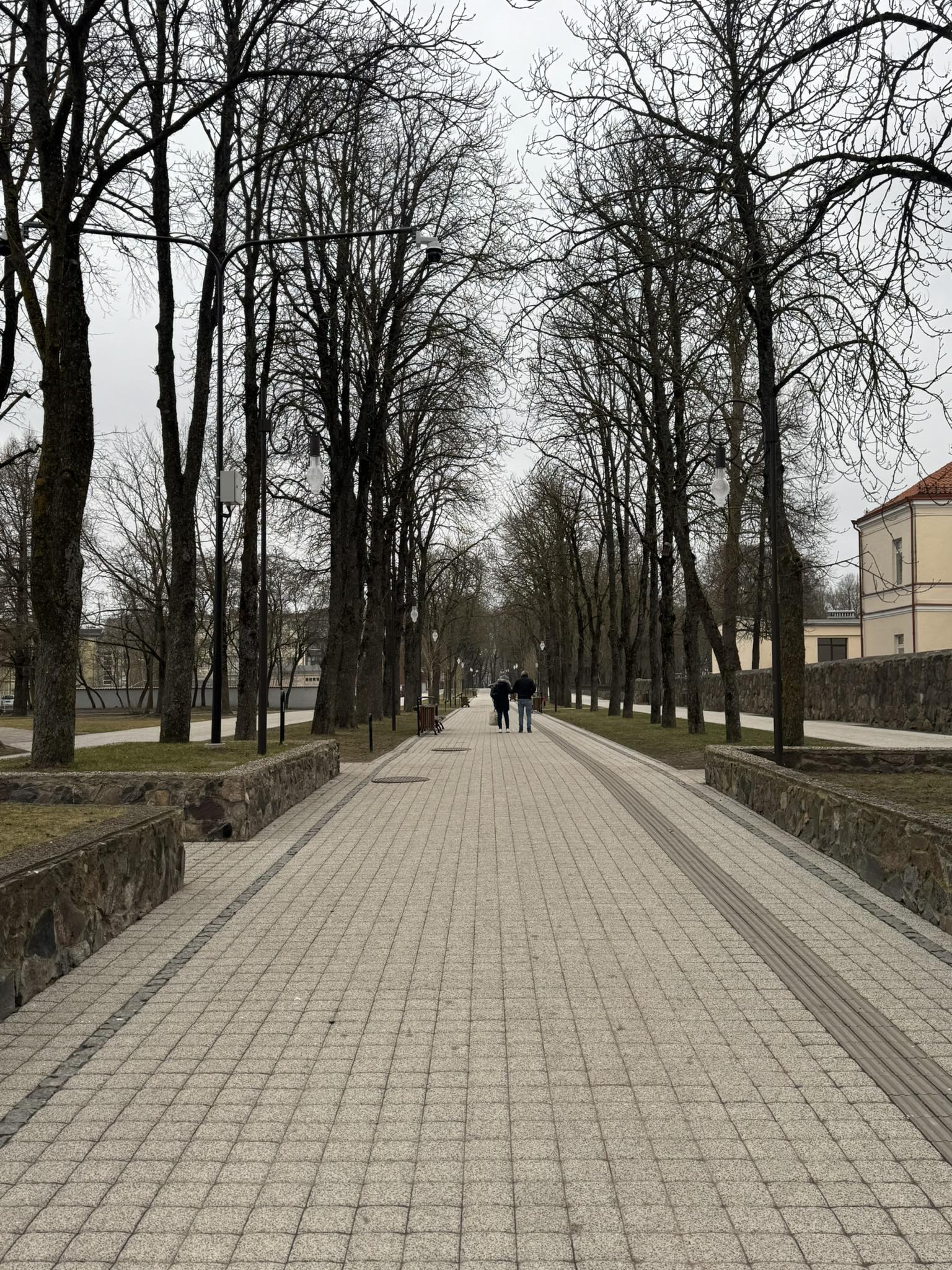
2025-03-30
Šiauliai Chestnut Alley – a place where dozens of chestnut trees bloom
Chestnut Alley in Šiauliai – a unique spot in the heart of the city, where the beauty and delightful...
Read more
2025-03-29
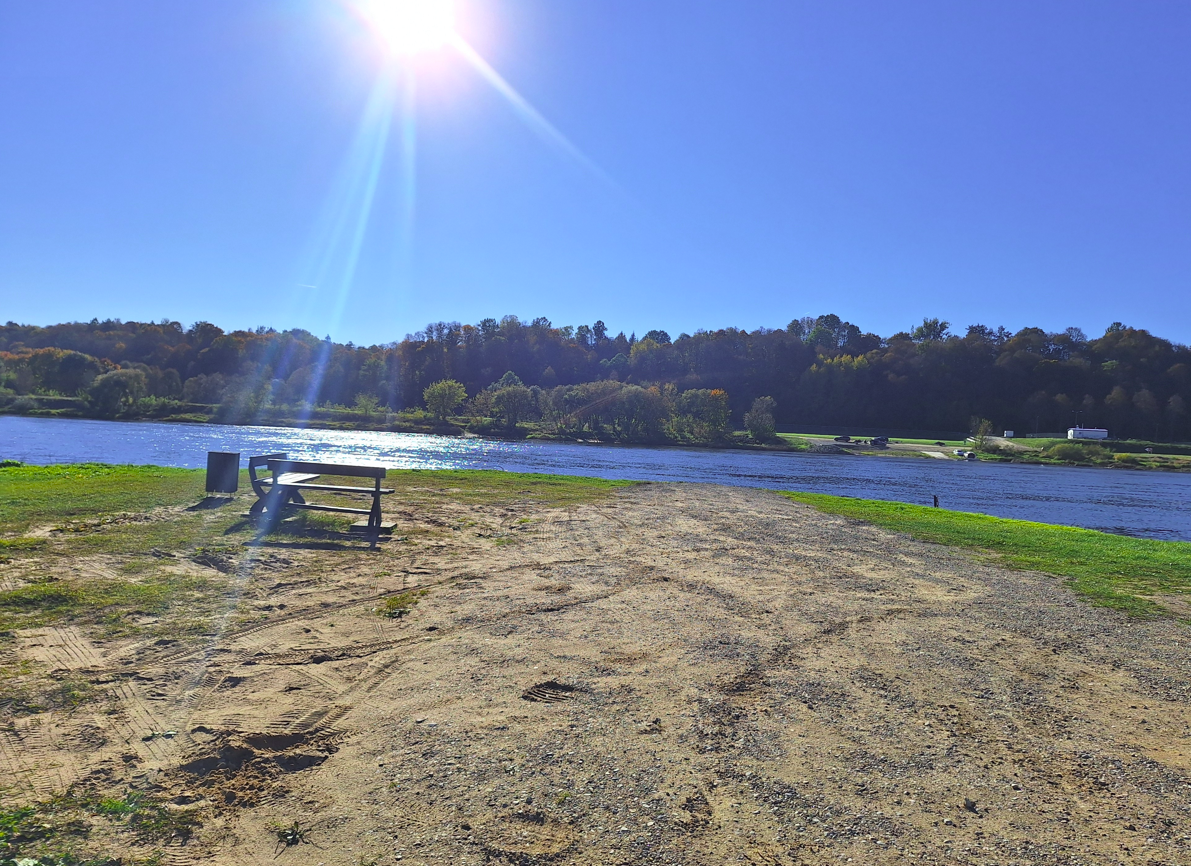
Kulautuva – the Pearl of the Nemunas Shore: What to See and Do?
Kulautuva – a small but charming town in the Kaunas district, surrounded by pine forests and stretch...
Read more
2025-03-28
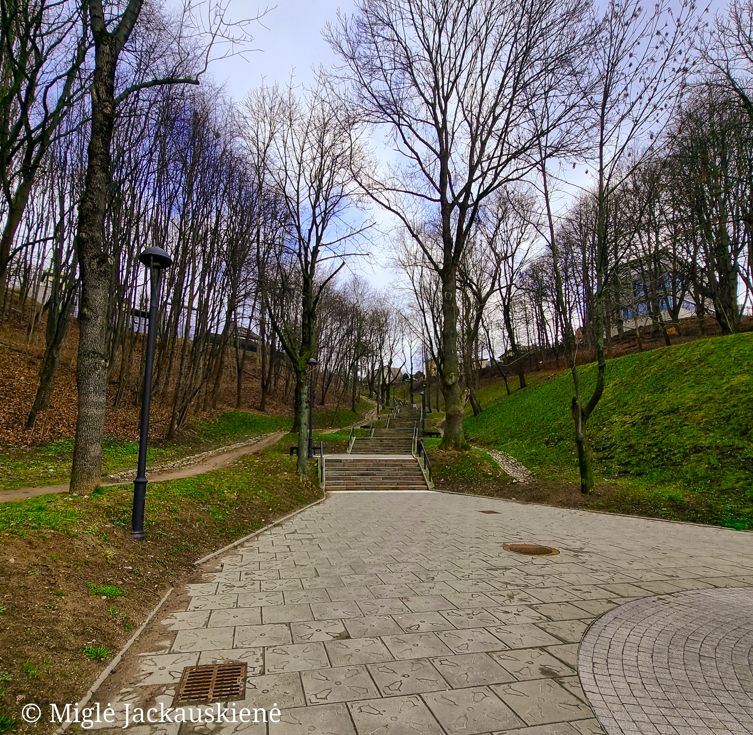
Kauko Stairs in Kaunas – Woven with Myths and Natural Beauty
Kauko Stairs – a favorite spot for both locals and visitors of Kaunas, where the extraordinary beaut...
Read more
2025-03-27
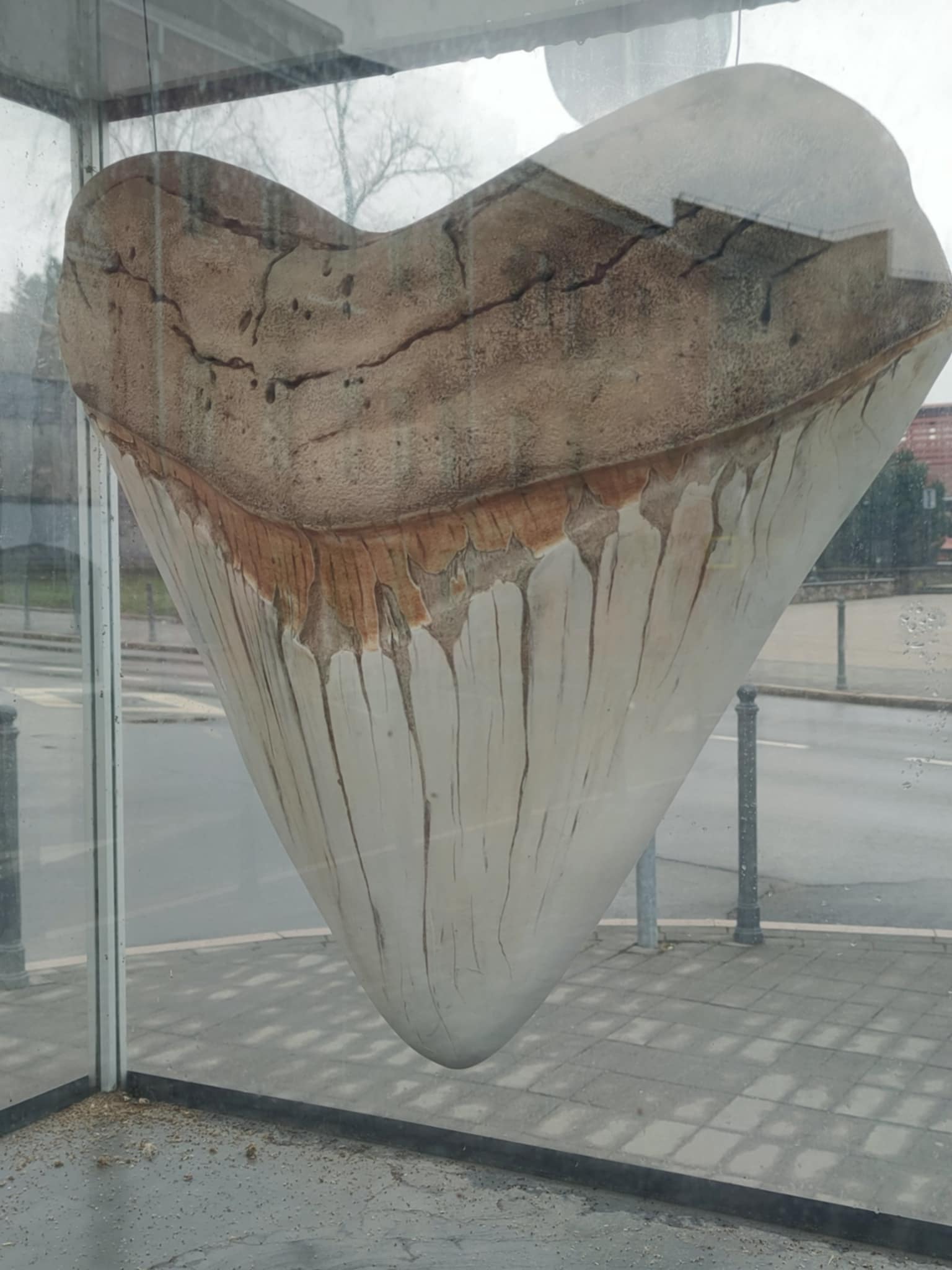
Kaunas Beast: A City Symbol Shrouded in Legends
Not every ordinary Kaunas resident knows what secrets lie behind the historic walls of Kaunas Castle...
Read more
Nearby attractions
.jpg)


Nearest museums



.png)
Info
Mytravis
Countries

A life full of travel is a source of good mood!
© 2026 MyTravis - All rights reserved | Privacy policy