Entertainment
 Food establishments


























Gedžiūnėliai Church of Our Lady of Sorrows

558

0

0
0 out of 5
(0 reviews)
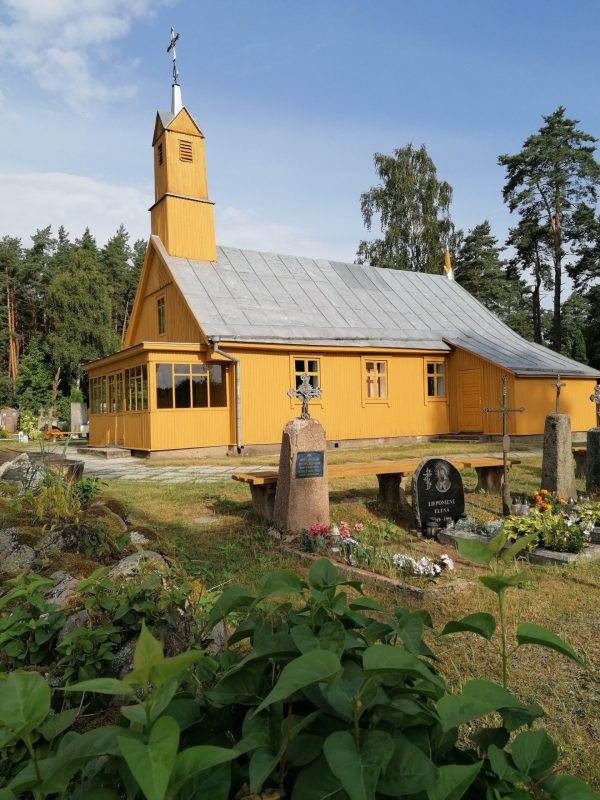
Archbishop Romuald Jalbžikovsky granted permission to establish the parish on the condition that services would be held in Polish. The residents disagreed. From 1931, services were held regularly. In 1939, Father Petras Budra, the parish priest of Daugėliškis, moved to Gedžiūnėliai, and for a while, the chapel served as the church for the Gedžiūnėliai-Daugėliškis parish.
Info
-

Religious Heritage
-


 55.451498, 26.330729
 Get directions
Archbishop Romuald Jalbžikovsky granted permission to establish the parish on the condition that services would be held in Polish. The residents disagreed. From 1931, services were held regularly. In 1939, Father Petras Budra, the parish priest of Daugėliškis, moved to Gedžiūnėliai, and for a while, the chapel served as the church for the Gedžiūnėliai-Daugėliškis parish. During this time, the construction of the new church began. Due to poor health, Father Budra requested a transfer to another parish. Thanks to the efforts of Father Karolis Gumbaragis, the parish was established in 1941,
and in 1943, a new church was built, incorporating the structure of the old chapel. After 1966, the church was restored and painted under the care of Father Jonas Kardelis.
The church is designed in the traditional form of a residential house, with a rectangular plan, a single tower, and a single nave. The building features a bell tower, a three-sided apse, and an attached sacristy. The front façade faces southwest. The main entrance is located at the front of the building, through a glassed-in veranda. The churchyard is surrounded by a fence made of unmortared stones with iron gates.
Found a mistake?
Report
Whats new?
2025-11-17
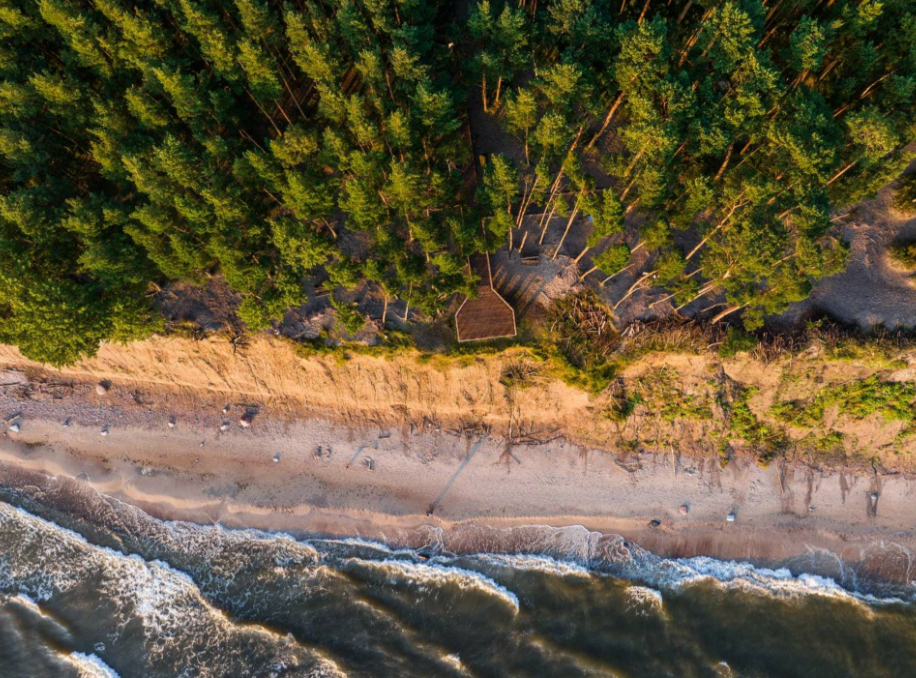
Three impressive Baltic seaside spots: Olando Kepurė, Veczemē Cliffs, Pakri Cliffs
The Baltic coast is a place where the land and the sea are in constant conversation. Where waves sha...
Read more
2025-11-13
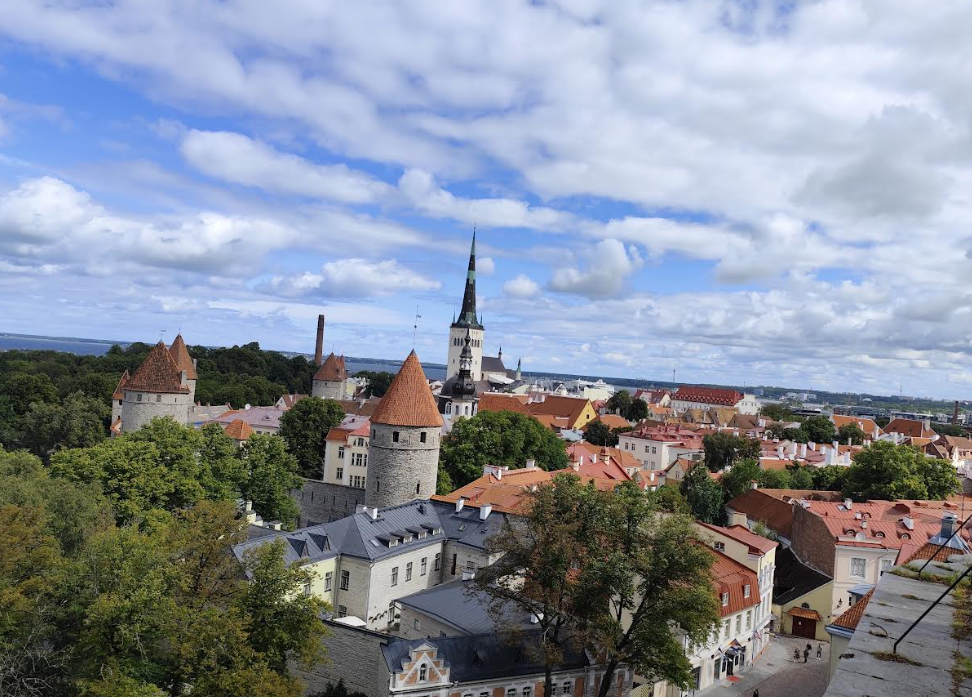
Discover Tallinn Old Town with MyTravis: a medieval spirit that surprises you at every step
Tallinn’s Old Town is like an open-air museum. A member of the MyTravis team, after visiting Estonia...
Read more
2025-11-12
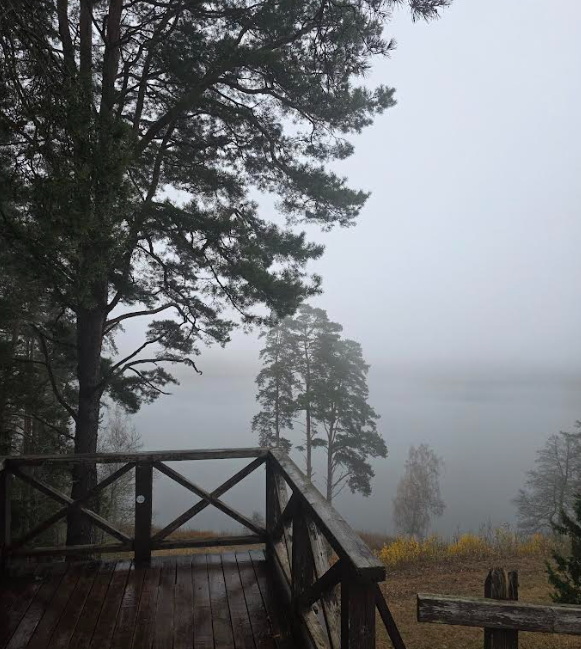
Women's hike through the mystery of the fog from Ginučiai Hillfort to Ladakalnis
The third Women's Hike was organized by the club's founder, Ada Vėtrė, whose idea to bring women tog...
Read more
2025-09-24
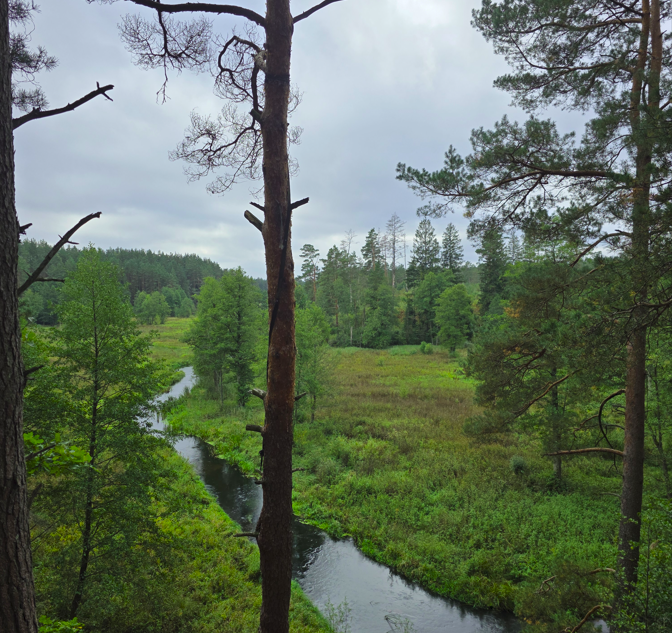
The first women’s hiking club hike in Marcinkonys: nature’s beauty, legends, and togetherness in Dzūkija
On September 20, the first Women’s Hiking Club hike took place in Marcinkonys, organized by the club...
Read more
2025-06-15
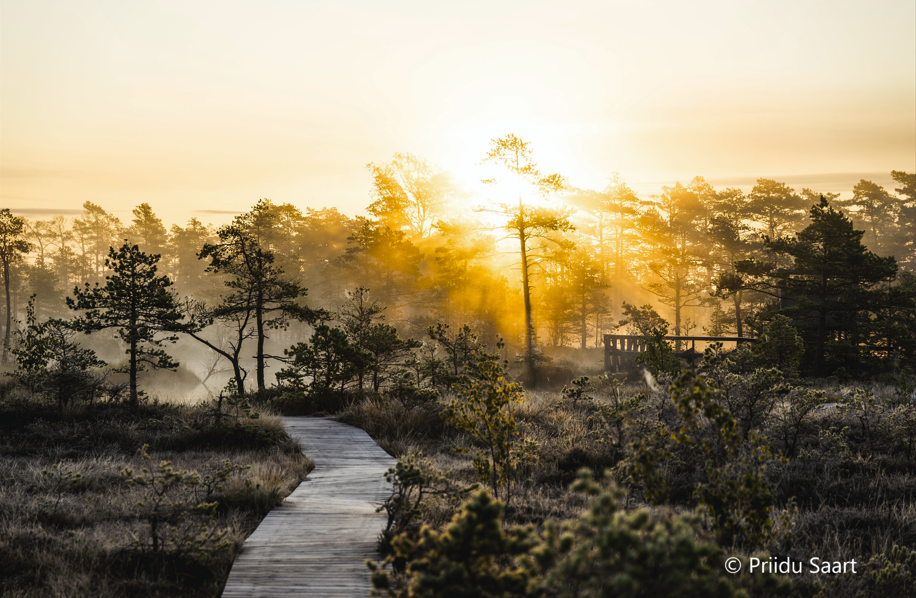
Nature Trails in the Pärnu Region: A Journey Through Estonia’s Natural Treasures
The Pärnu region of Estonia is renowned not only for its resort town and coastline but also for its...
Read more
2025-03-30
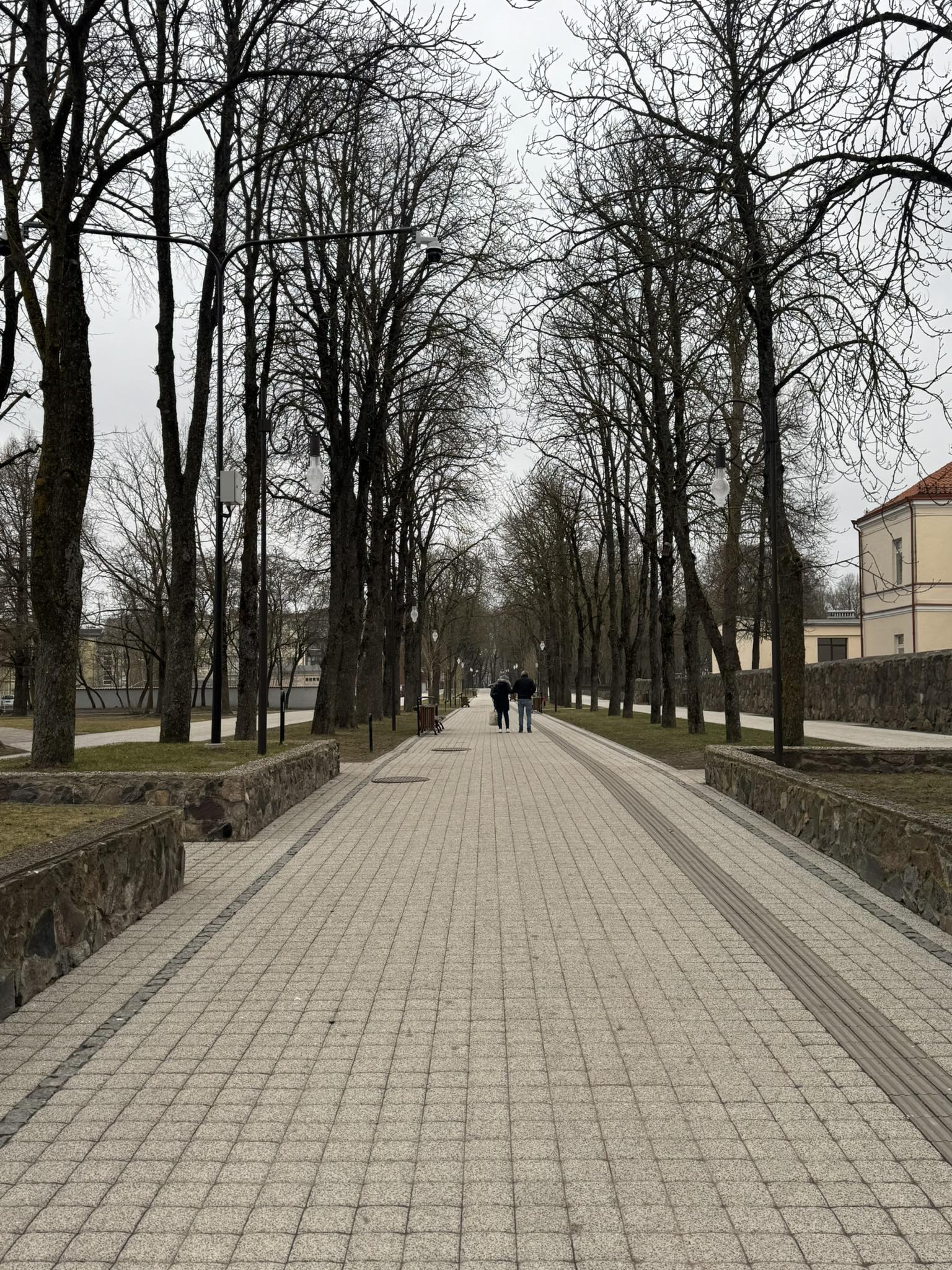
Šiauliai Chestnut Alley – a place where dozens of chestnut trees bloom
Chestnut Alley in Šiauliai – a unique spot in the heart of the city, where the beauty and delightful...
Read more
2025-03-29
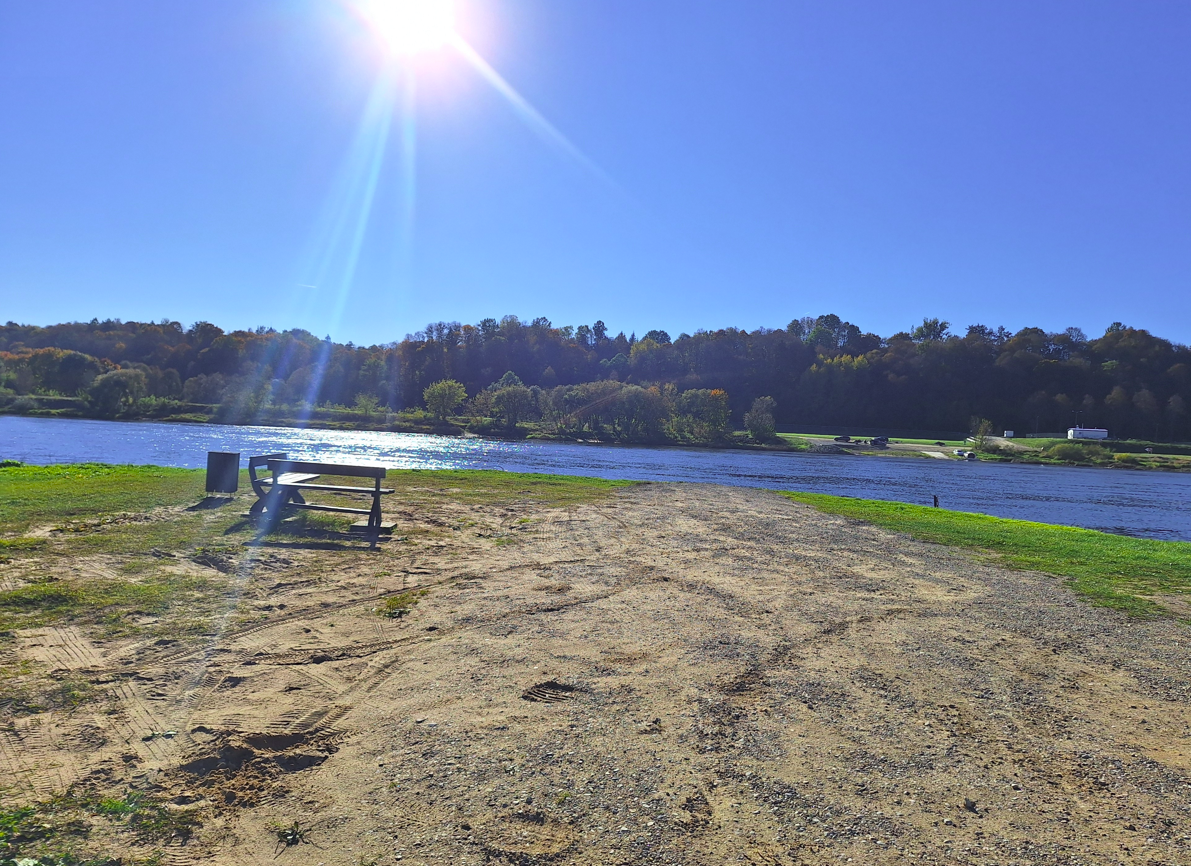
Kulautuva – the Pearl of the Nemunas Shore: What to See and Do?
Kulautuva – a small but charming town in the Kaunas district, surrounded by pine forests and stretch...
Read more
2025-03-28
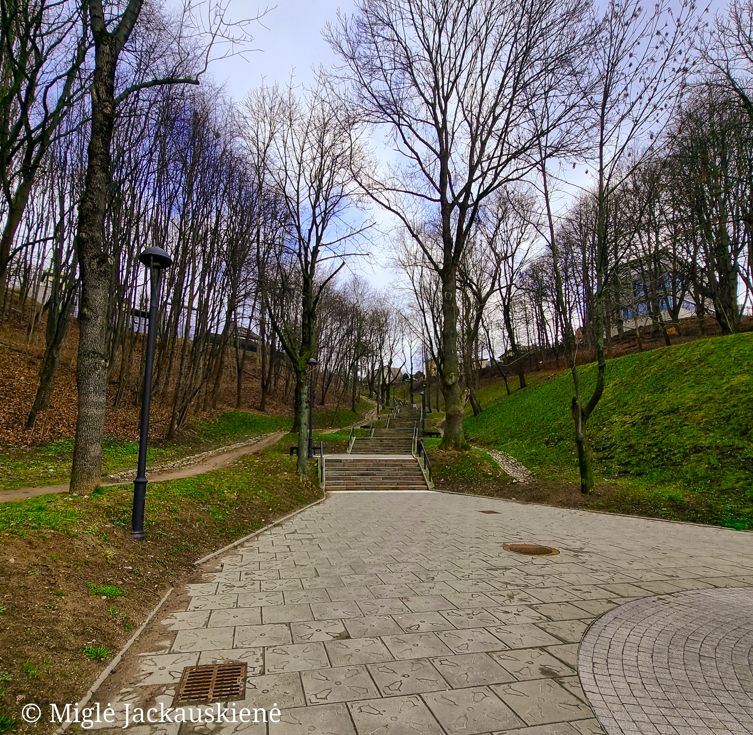
Kauko Stairs in Kaunas – Woven with Myths and Natural Beauty
Kauko Stairs – a favorite spot for both locals and visitors of Kaunas, where the extraordinary beaut...
Read more
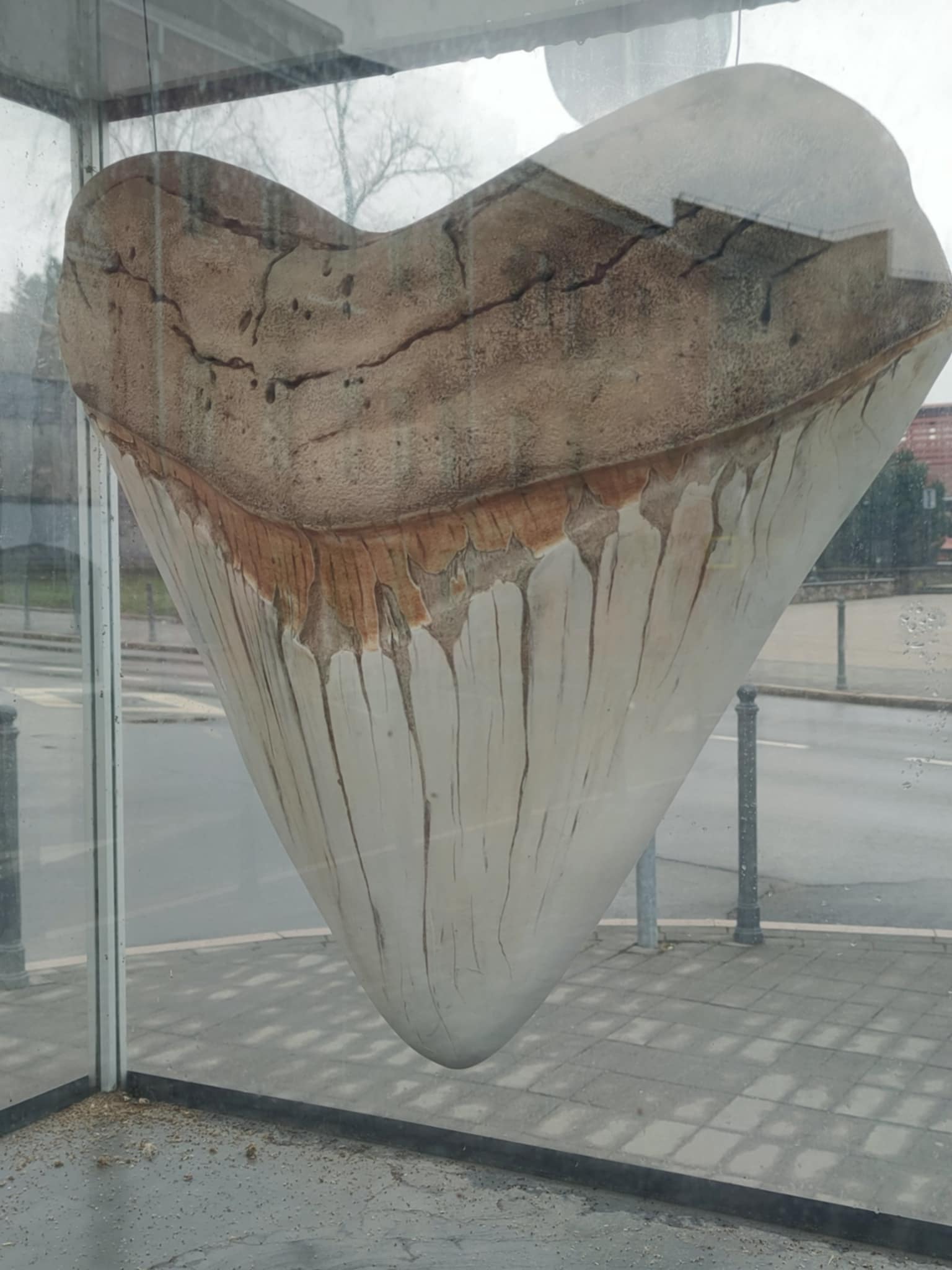
2025-03-27
Kaunas Beast: A City Symbol Shrouded in Legends
Not every ordinary Kaunas resident knows what secrets lie behind the historic walls of Kaunas Castle...
Read more
Nearby attractions


Nearest museums


Nearest food establishments translate this into LT


Nearest accommodations
Info
Mytravis
Countries

A life full of travel is a source of good mood!
© 2026 MyTravis - All rights reserved | Privacy policy