Lithuanian Museum of Ethnocosmology: History and Development


eyes

1841

check

5

heart

6

5 out of 5
(5 reviews)

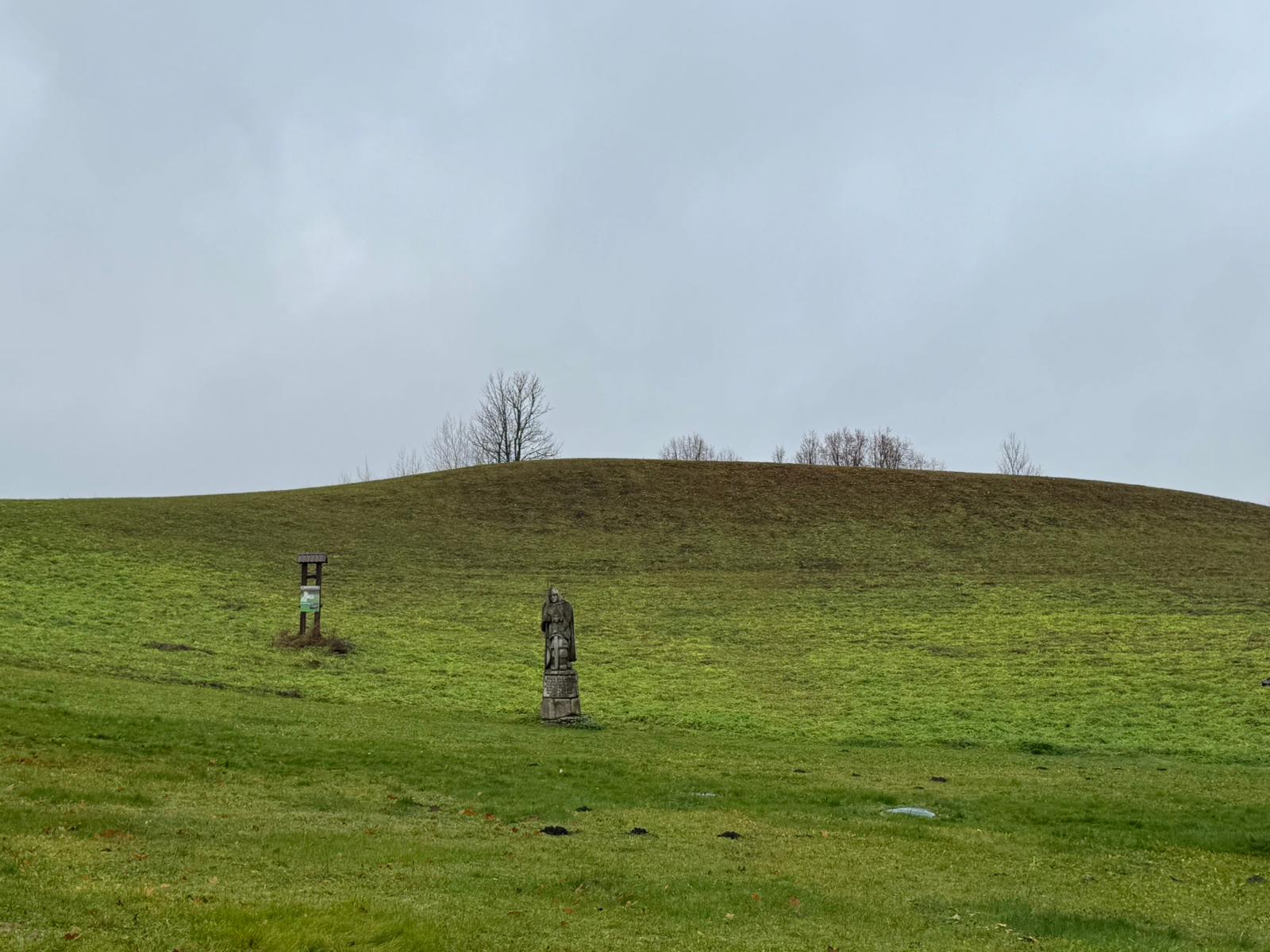
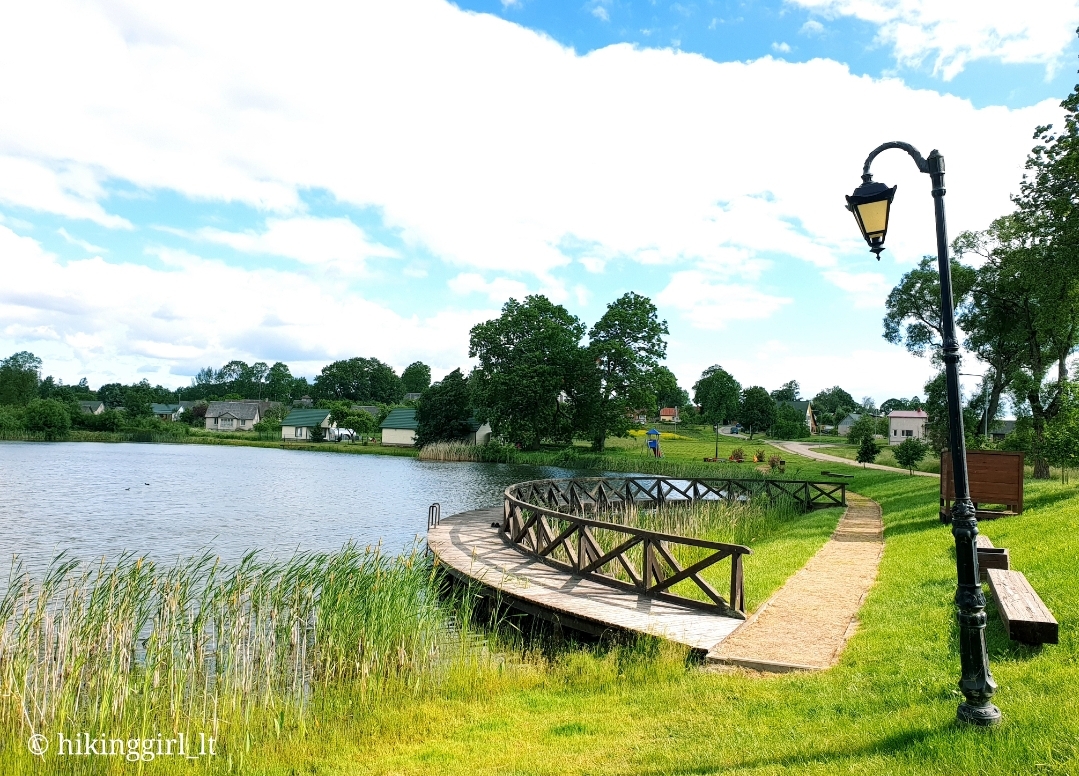
In the 1960s, a search began for a new location for the Lithuanian Astronomy Observatory. The old Vilnius University Observatory on Čiurlionis Street in Vilnius was affected by city light pollution and contamination. Many potential sites were visited until 1969, when it was decided to build the observatory in the hills of Kulionys village in Molėtai district, surrounded by the horseshoe-shaped Lake Želva. The location was deemed suitable, and construction began that same year.


Share:
In the 1960s, a search began for a new location for the Lithuanian Astronomy Observatory. The old Vilnius University Observatory on Čiurlionis Street in Vilnius was affected by city light pollution and contamination. Many potential sites were visited until 1969, when it was decided to build the observatory in the hills of Kulionys village in Molėtai district, surrounded by the horseshoe-shaped Lake Želva. The location was deemed suitable, and construction began that same year. The idea of ethnocosmology was born in Molėtai district, on the Kaldiniai Hills. The main authors of the idea were Dr. Gunaras Kakaras, then head of the Astronomy Observatory, and Dr. Libertas Klimka, an enthusiast of ethnic culture. The intersections between G. Kakaras's astronomy and L. Klimka's ethnology gradually merged, revealing the Lithuanian nation's connections with the sky, the Sun, the Moon, and the stars. This became the beginning of ethnocosmology, both as a concept and as a future museum. At that time, the construction of the Molėtai Astronomy Observatory continued, and the first two telescopes were launched. Despite little advertising, the observatory began to attract tours, groups, and individual visitors. Visitors were interested in what astronomers observed, but deeper questions arose: why do we, small inhabitants of Earth, exist in such a vast Universe? What is the purpose of our existence in such an immensely large Universe? These questions fostered the idea that the observatory should have spaces for people to connect with the Cosmos, see celestial images through telescopes, hear answers to their pressing questions, and form new questions related to the Cosmic world. These ideas were also supported by Juozas Algimantas Krikštopaitis, a physicist who later became a philosopher. In 1978, the Vilnius University Astronomy
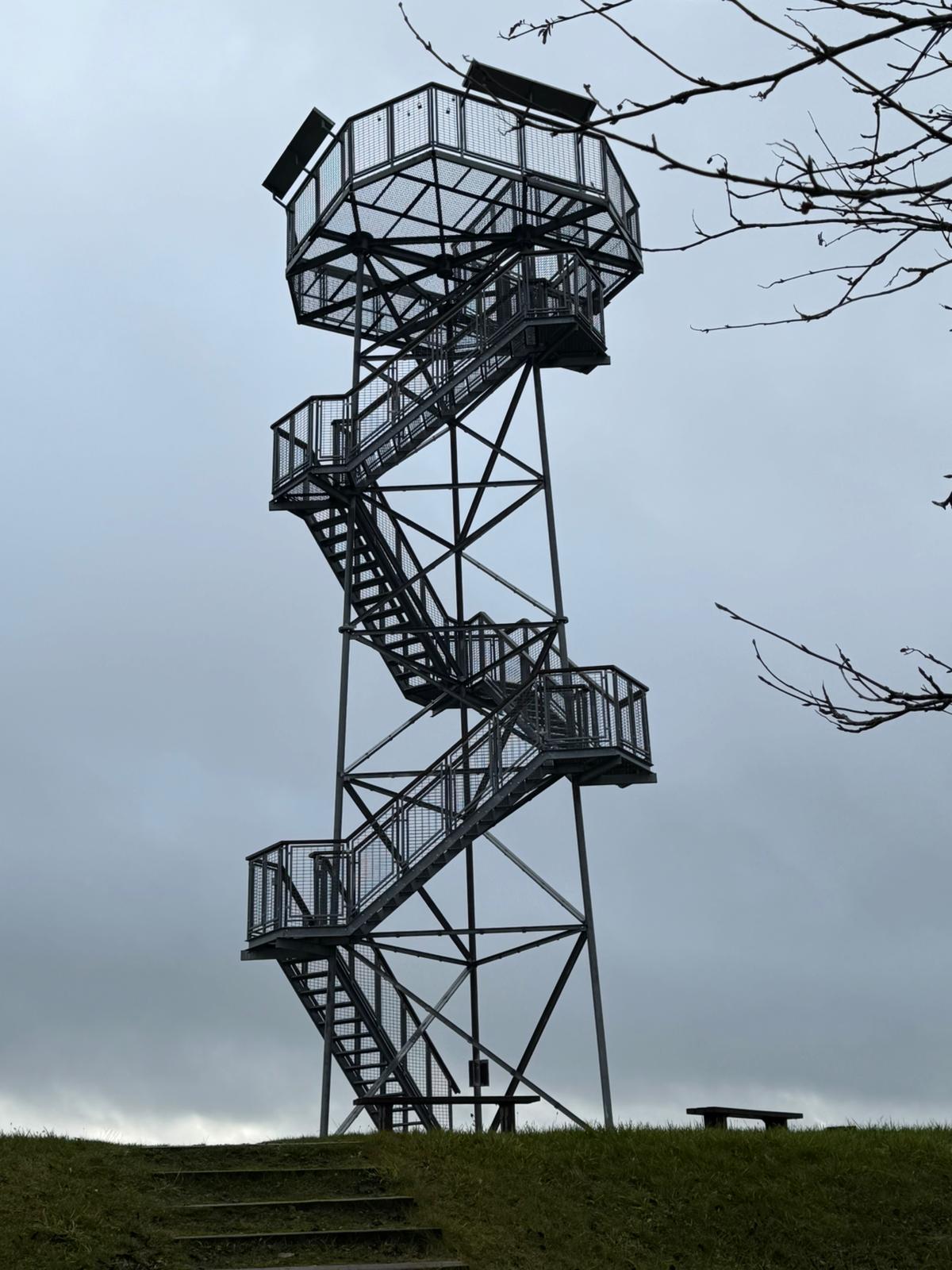
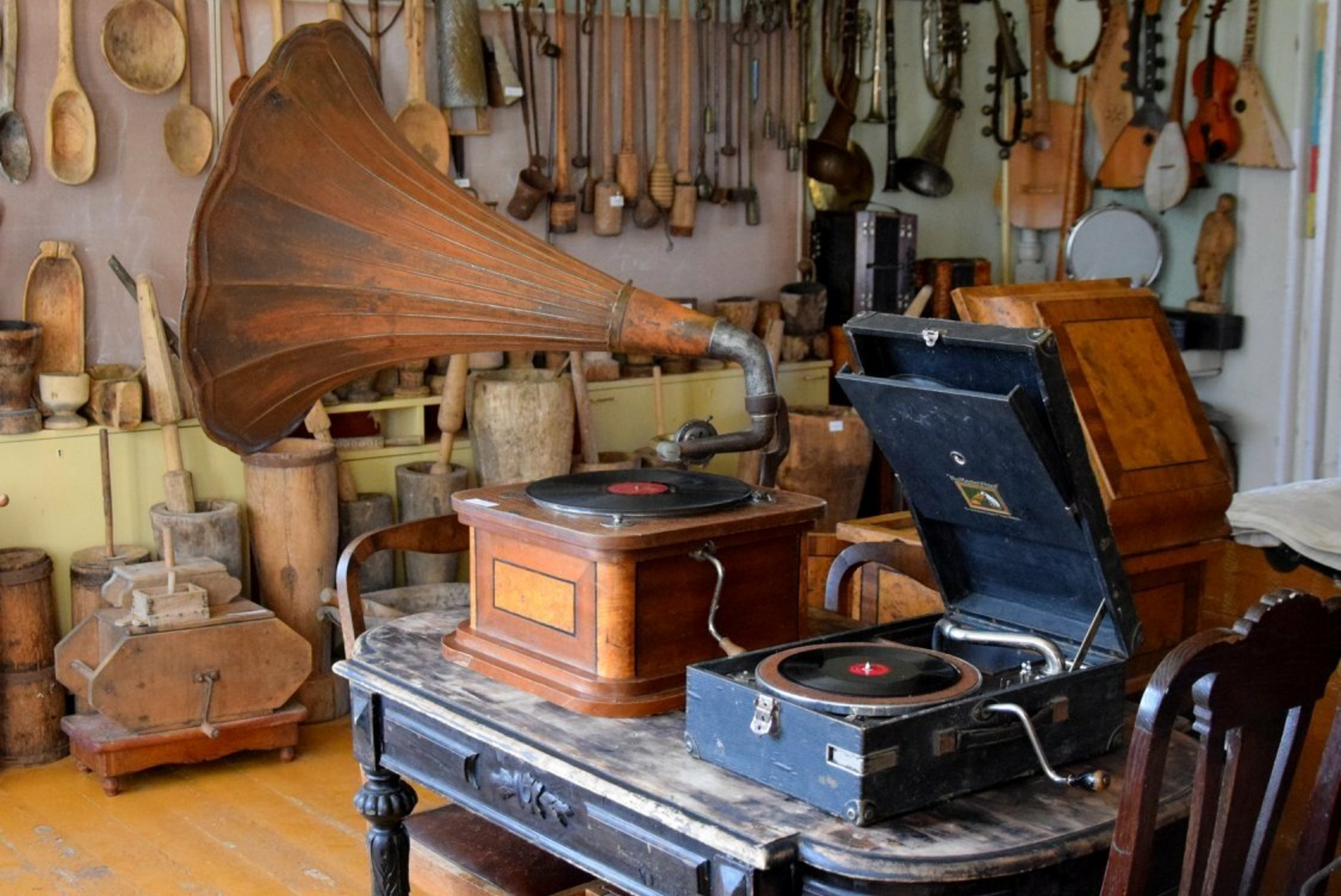
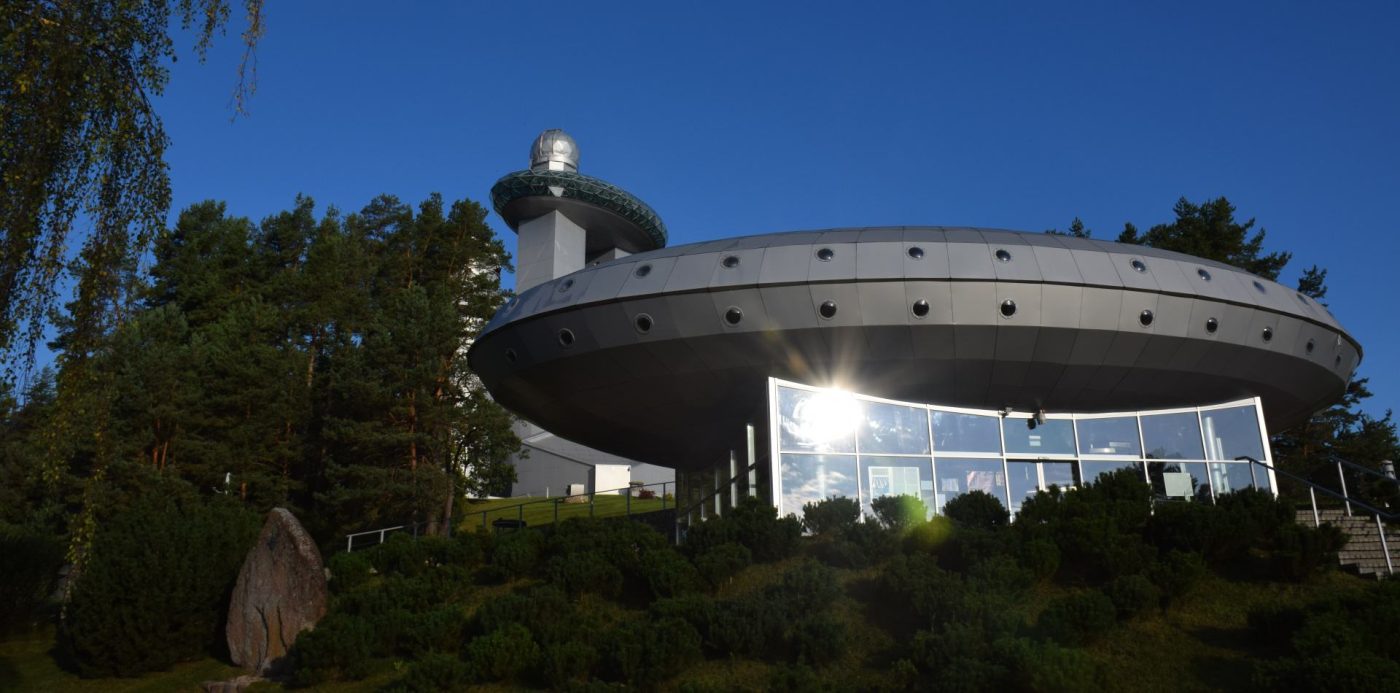
Observatory celebrated its 125th anniversary. On L. Klimka's initiative, a public museum was opened in one of the telescope towers of the Molėtai Astronomy Observatory, exhibiting old Vilnius Observatory telescopes and the first ethnographic artifacts reflecting the nation's connection with the Celestial world. To truly realize the idea of ethnocosmology, new spaces and buildings were needed. Upon completing the observatory's residential area, an "astronomical pavilion of special purpose," essentially a museum, was constructed based on architect Vytautas Lisauskas's design. The building's architecture reflects the image of a cosmic world tree, with an underground gallery for the exhibition and a tower leading to the telescope at the top of the hill. In 1989, the museum construction project began, based on the ideas of architects R. Krištapavičius and A. Gudaitis. Construction and reconstruction works were carried out by UAB "Mitnija." On March 15, 1990, the Presidium of the Academy of Sciences established the Ethnocosmology Museum, later managed by the Ministry of Culture and Education, and renamed the Ethnocosmology Center. In 1995, the center was returned to its original name - Lithuanian Museum of Ethnocosmology. In 2007-2008, the museum was reconstructed and modernized under the European Structural Funds support agreement, with a budget of 22.317 million Litas. Modern equipment, including an 80 cm diameter telescope for visitors, was acquired. Since 2008, the museum has been welcoming visitors, offering tours, indoor and outdoor exhibitions, and educational programs. In 2009, the museum was visited by 46,583 people, including 19,688 students. Today, the museum continues to grow and expand, providing a unique opportunity to explore the Cosmic world and the Lithuanian nation's connection with it.
Found a mistake? Report

Whats new?

2025-11-17

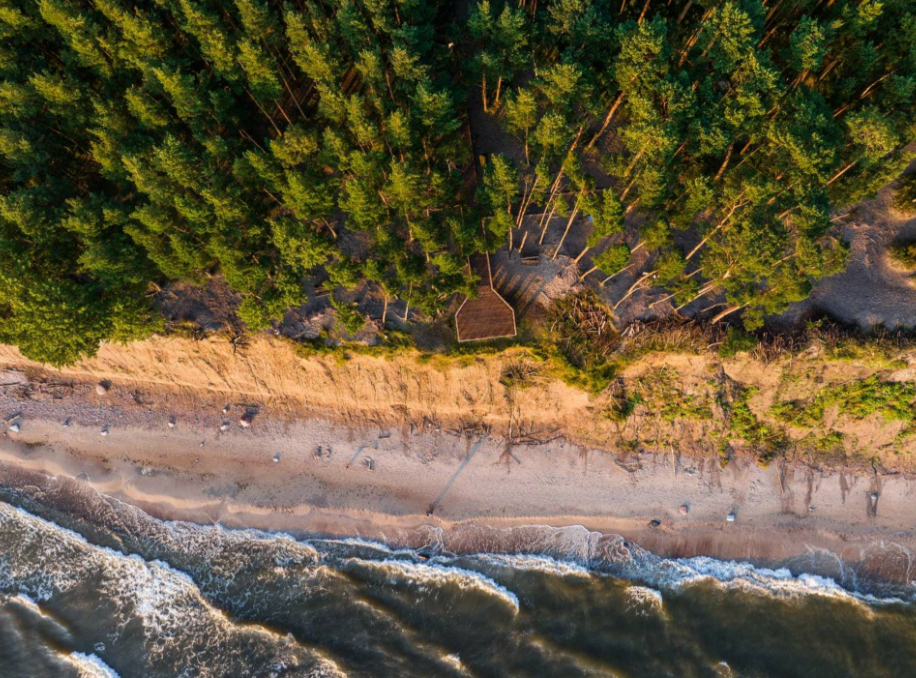
Three impressive Baltic seaside spots: Olando Kepurė, Veczemē Cliffs, Pakri Cliffs
The Baltic coast is a place where the land and the sea are in constant conversation. Where waves sha...
Read more
2025-11-13

Discover Tallinn Old Town with MyTravis: a medieval spirit that surprises you at every step
Tallinn’s Old Town is like an open-air museum. A member of the MyTravis team, after visiting Estonia...
Read more
2025-11-12

Women's hike through the mystery of the fog from Ginučiai Hillfort to Ladakalnis
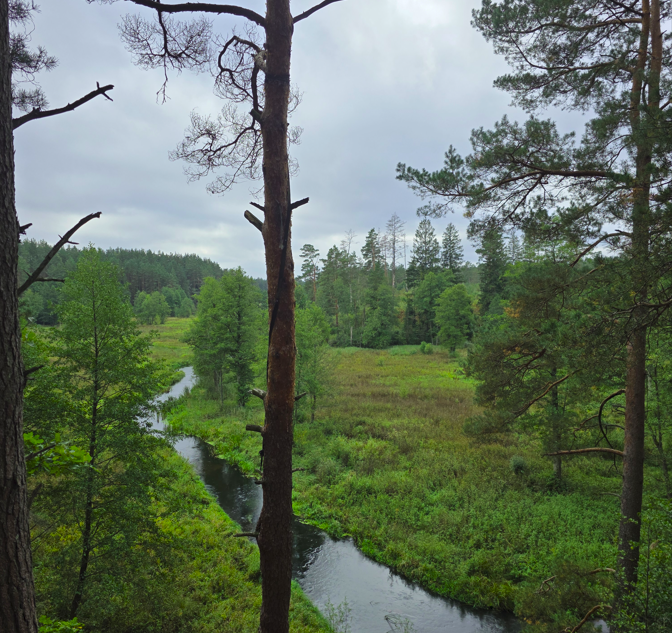
The third Women's Hike was organized by the club's founder, Ada Vėtrė, whose idea to bring women tog...
Read more
2025-09-24

The first women’s hiking club hike in Marcinkonys: nature’s beauty, legends, and togetherness in Dzūkija
On September 20, the first Women’s Hiking Club hike took place in Marcinkonys, organized by the club...
Read more
2025-06-15

Nature Trails in the Pärnu Region: A Journey Through Estonia’s Natural Treasures
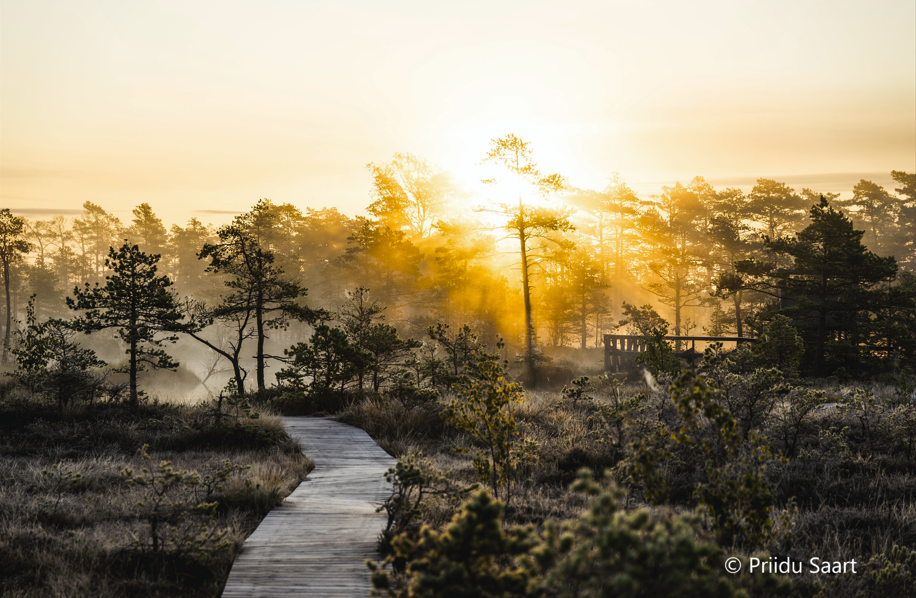
The Pärnu region of Estonia is renowned not only for its resort town and coastline but also for its...
Read more
2025-03-30

Šiauliai Chestnut Alley – a place where dozens of chestnut trees bloom
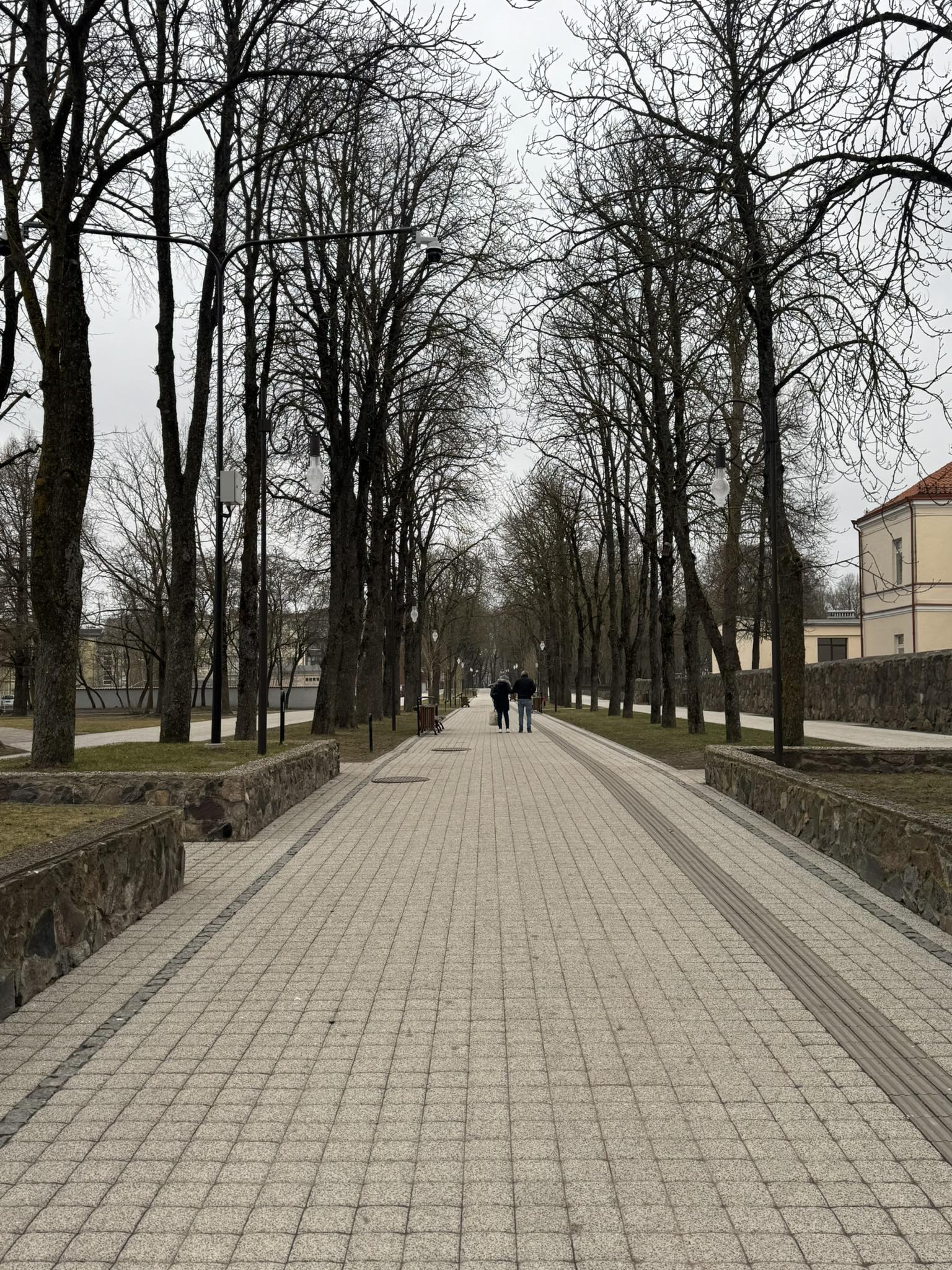
Chestnut Alley in Šiauliai – a unique spot in the heart of the city, where the beauty and delightful...
Read more
2025-03-29

Kulautuva – the Pearl of the Nemunas Shore: What to See and Do?
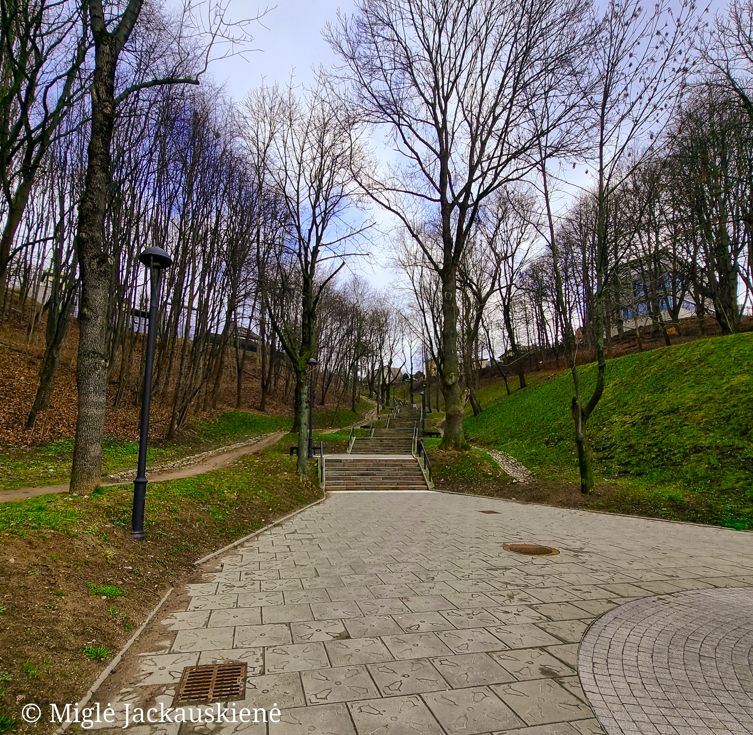
Kulautuva – a small but charming town in the Kaunas district, surrounded by pine forests and stretch...
Read more
2025-03-28

Kauko Stairs in Kaunas – Woven with Myths and Natural Beauty
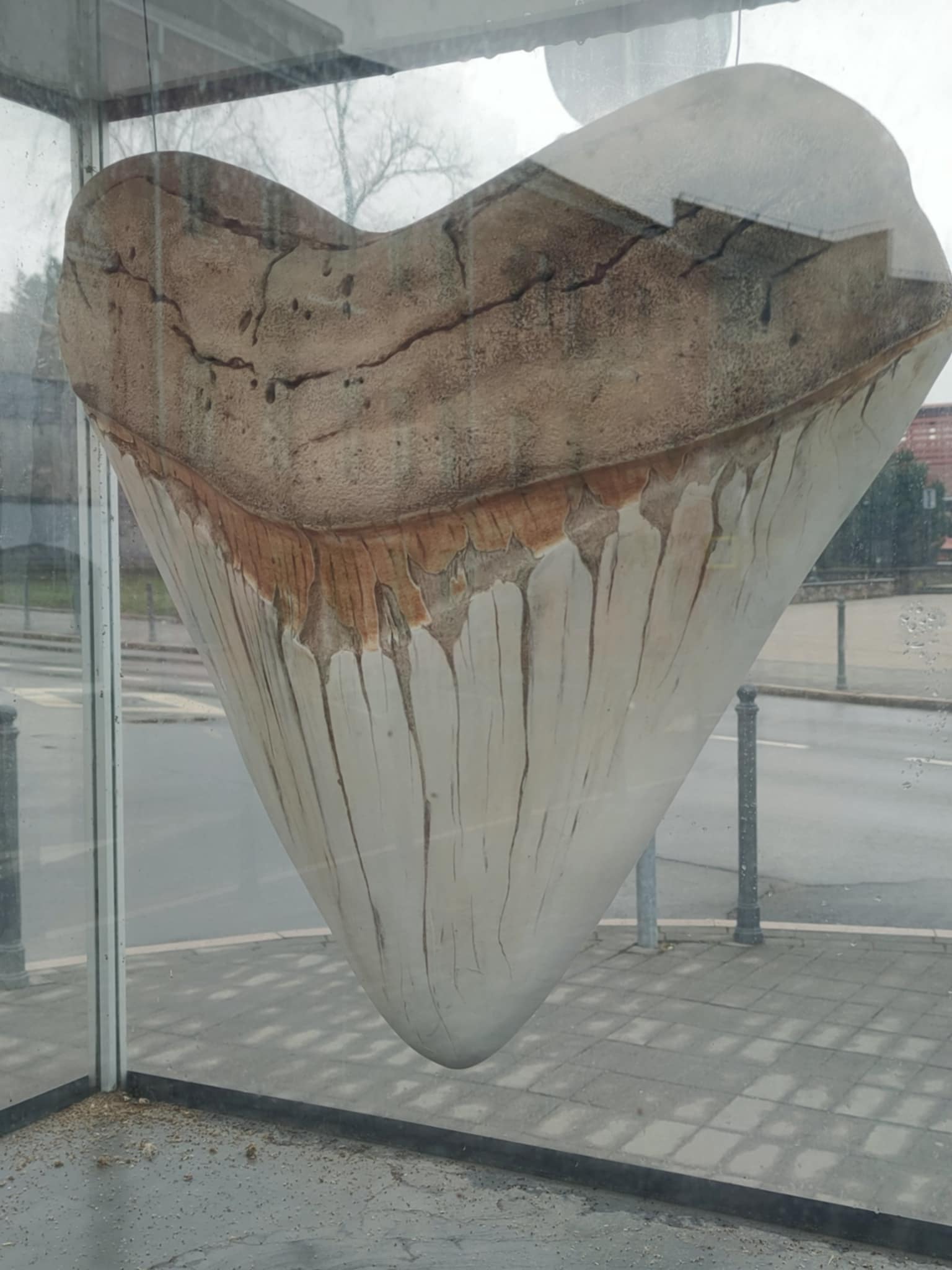
Kauko Stairs – a favorite spot for both locals and visitors of Kaunas, where the extraordinary beaut...
Read more
2025-03-27

Kaunas Beast: A City Symbol Shrouded in Legends

Not every ordinary Kaunas resident knows what secrets lie behind the historic walls of Kaunas Castle...
Read more


Nearest entertainment