Entertainment
 Sightseeing
 Food establishments





























Vidiškiai Manor

1401

3

1
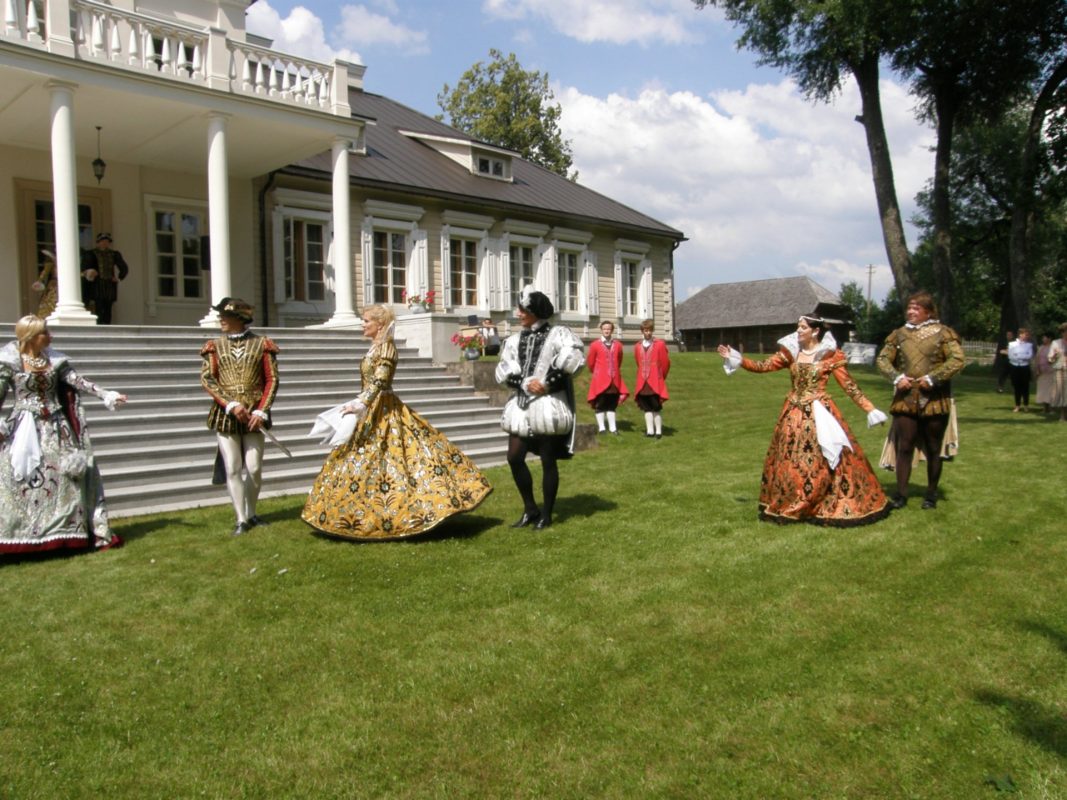
Vidiškiai Manor is adorned not only by its Classicist-style palace but also by a terraced garden leading to Lake Varnis.
Vidiškiai Manor is mentioned in the second half of the 18th century (1782, 1784). At that time, it belonged to Mr. N. Ragoža. In 1782, after receiving permission from the Vilnius Diocese, Mr. Ragoža built a chapel on his estate. In 1807, the manor was owned by Count Liudvikas Pliateris, who built a new chapel the same year, and the manor became known as Pšijazn. The manor had 19 economic and residential buildings, including single-story wooden Classicist-style manor houses, six workers' residential houses, a mill, a bathhouse, a barn, five cattle sheds, a granary, a forge, an ice house.
Info

 55.371366, 26.209562
 Get directions


Whats new?
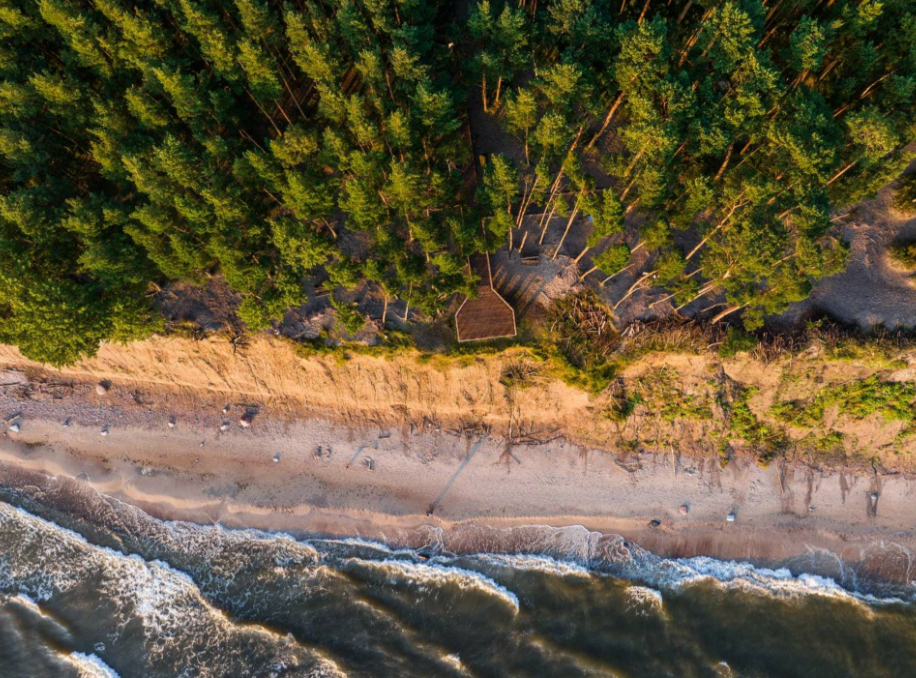
Three impressive Baltic seaside spots: Olando Kepurė, Veczemē Cliffs, Pakri Cliffs
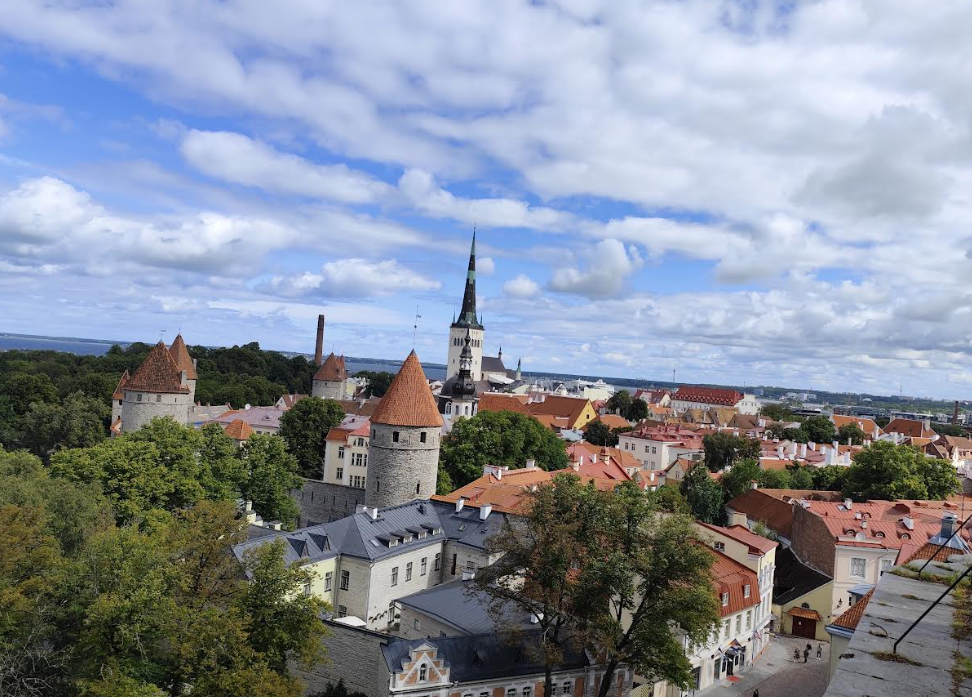
Discover Tallinn Old Town with MyTravis: a medieval spirit that surprises you at every step
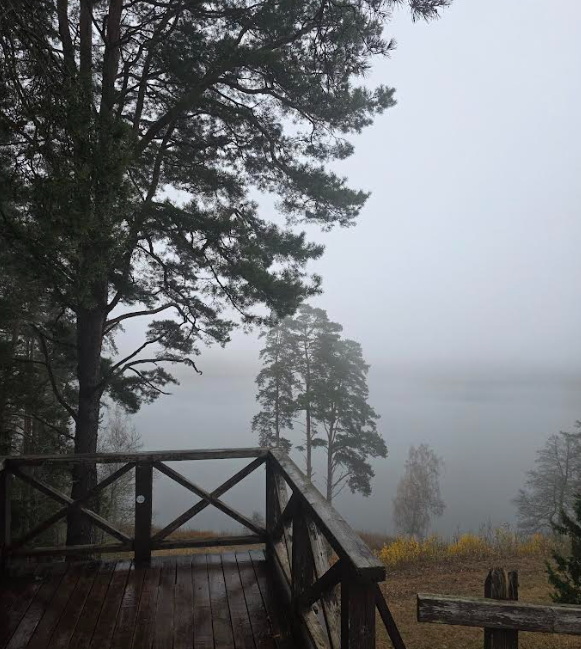
Women's hike through the mystery of the fog from Ginučiai Hillfort to Ladakalnis
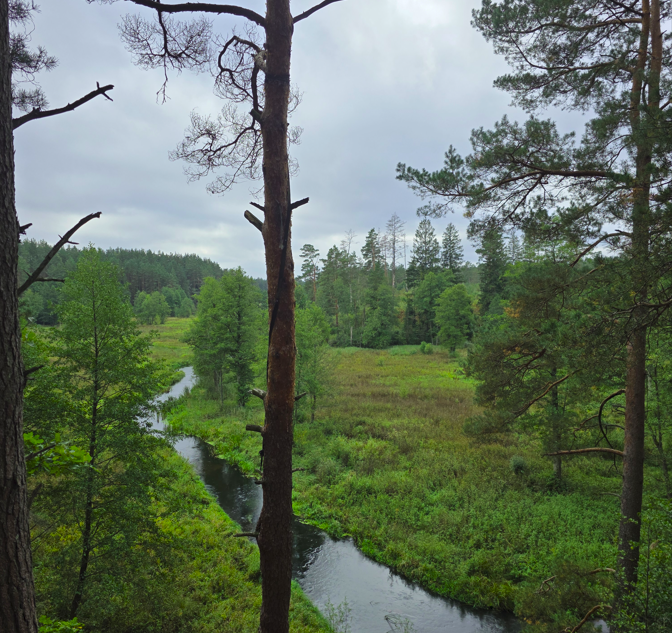
The first women’s hiking club hike in Marcinkonys: nature’s beauty, legends, and togetherness in Dzūkija
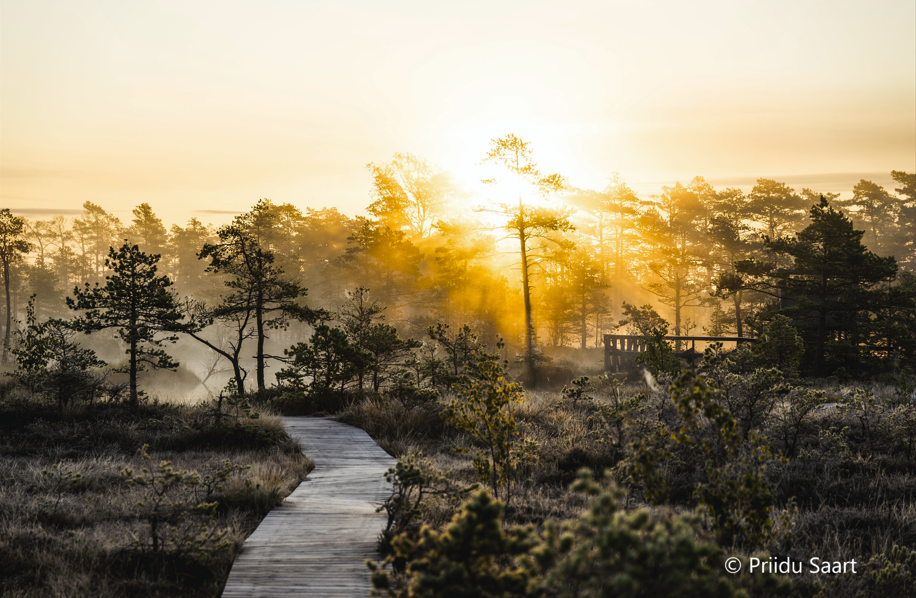
Nature Trails in the Pärnu Region: A Journey Through Estonia’s Natural Treasures
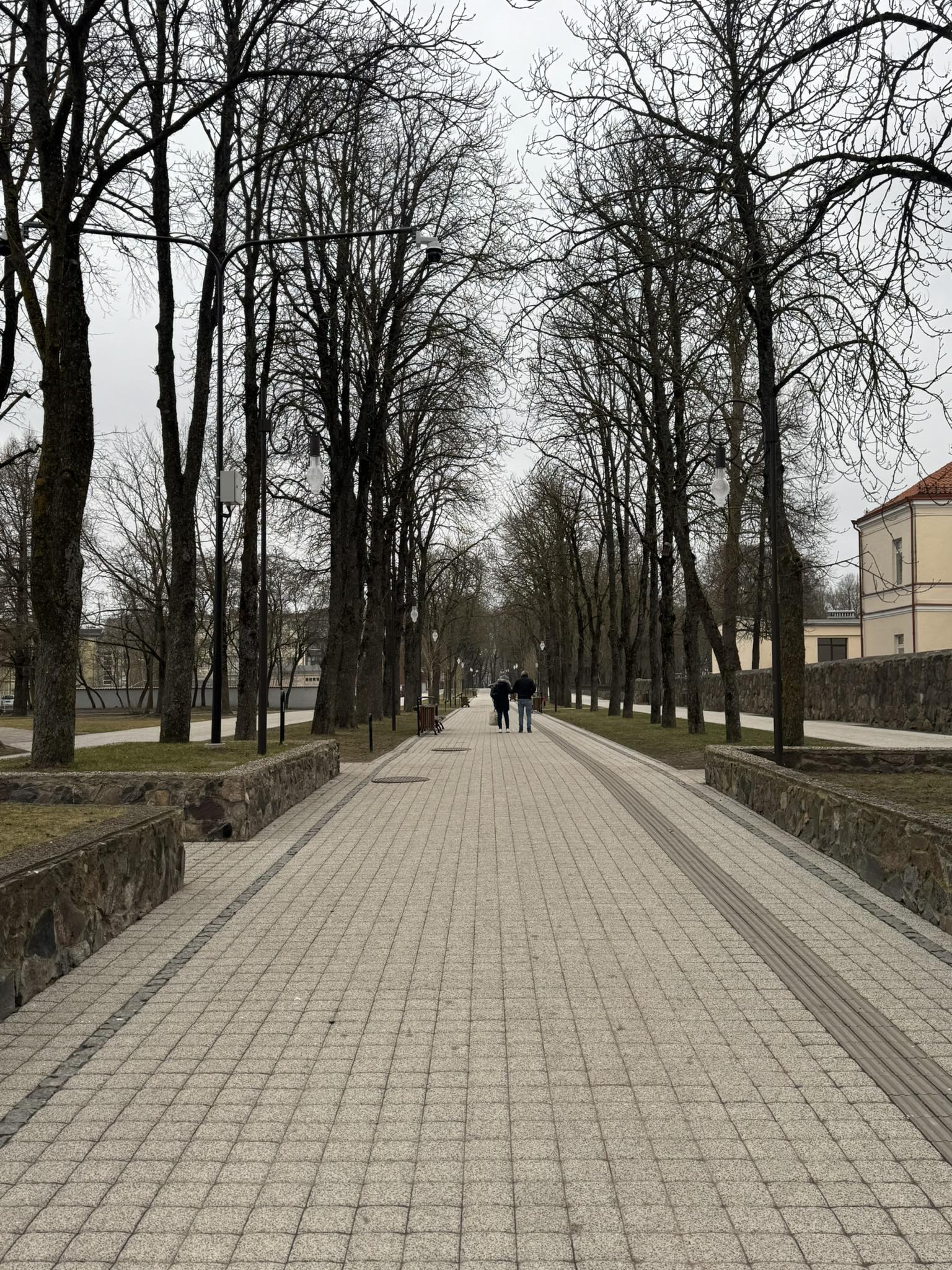
Šiauliai Chestnut Alley – a place where dozens of chestnut trees bloom
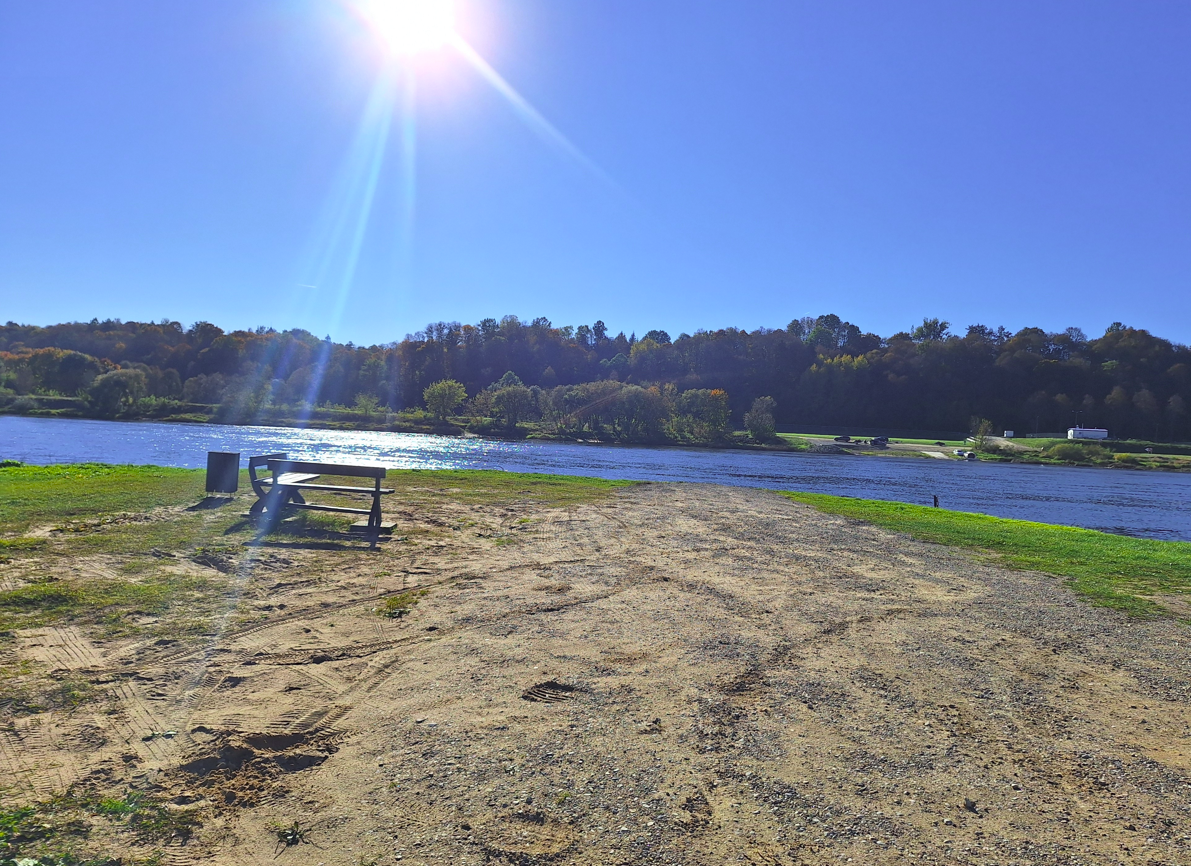
Kulautuva – the Pearl of the Nemunas Shore: What to See and Do?
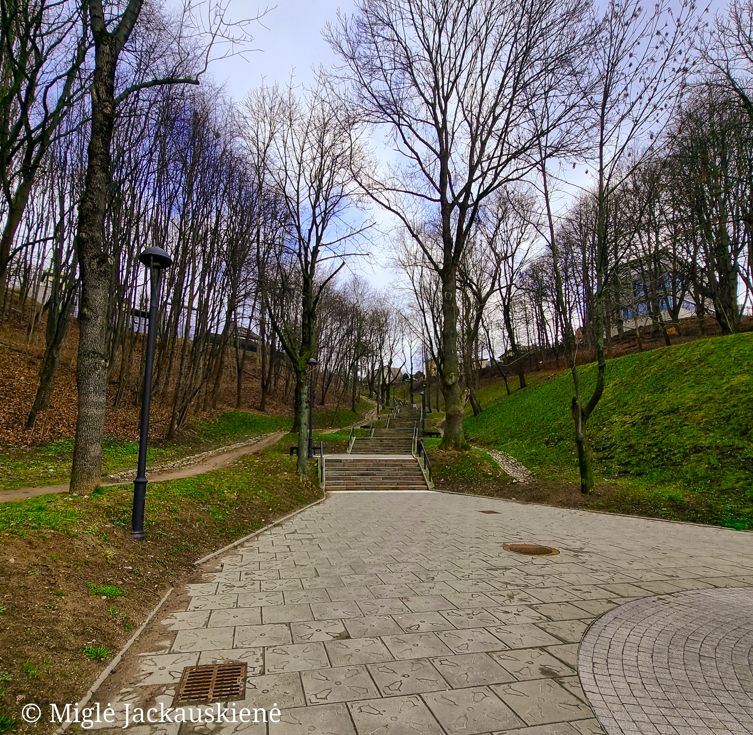
Kauko Stairs in Kaunas – Woven with Myths and Natural Beauty
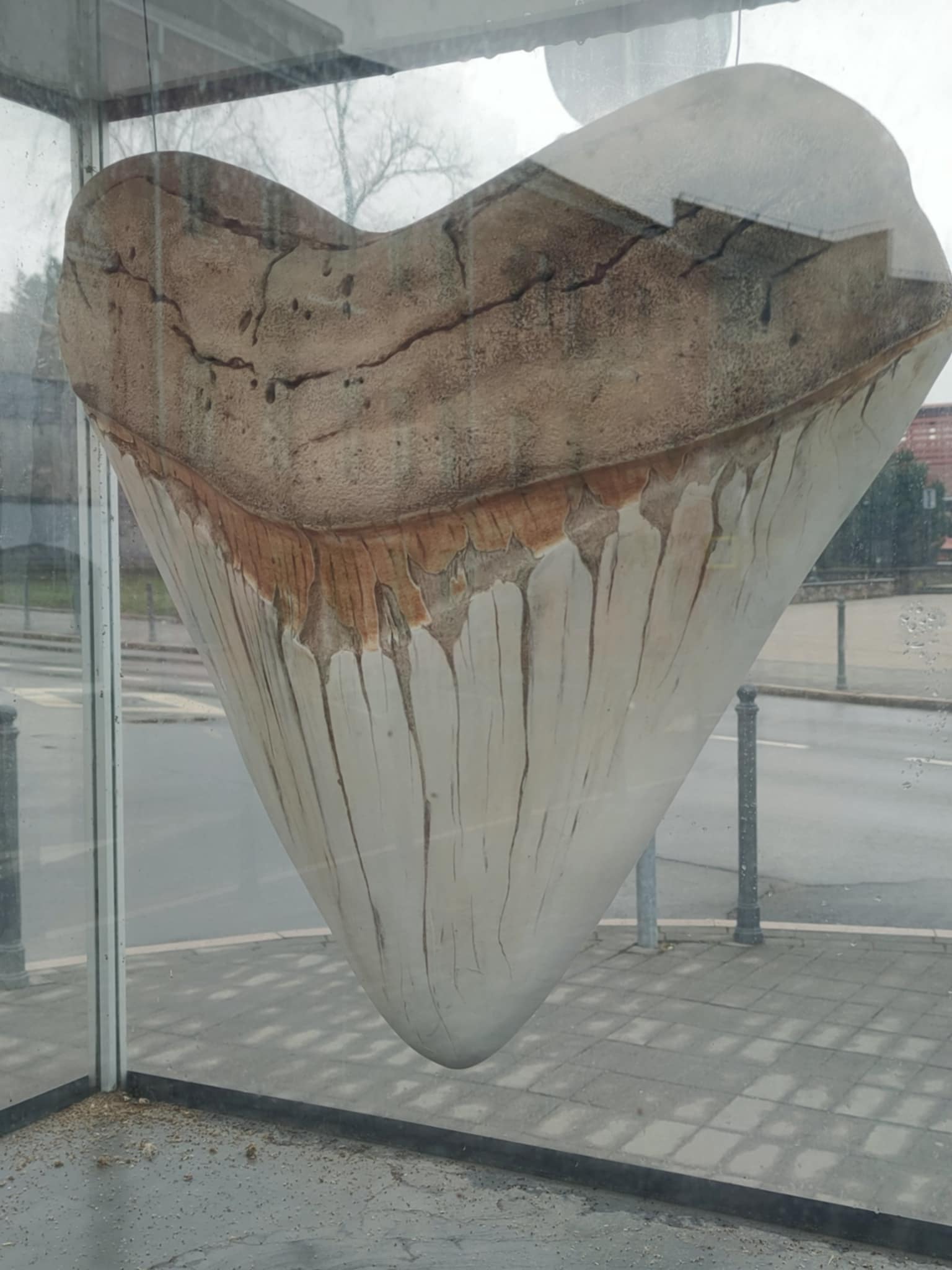
Kaunas Beast: A City Symbol Shrouded in Legends
Info
Mytravis
Cities

A life full of travel is a source of good mood!
© 2026 MyTravis - All rights reserved | Privacy policy