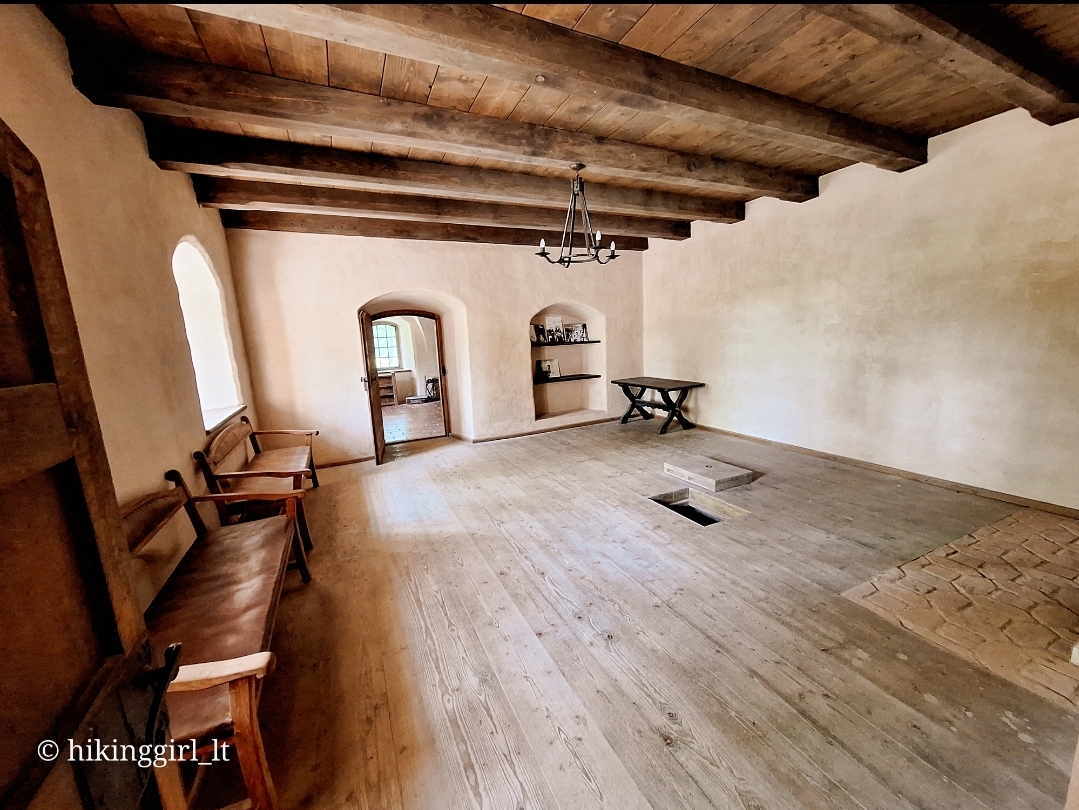
Siesikai Castle


eyes

1030

check

4

heart

3

5 out of 5
(2 reviews)

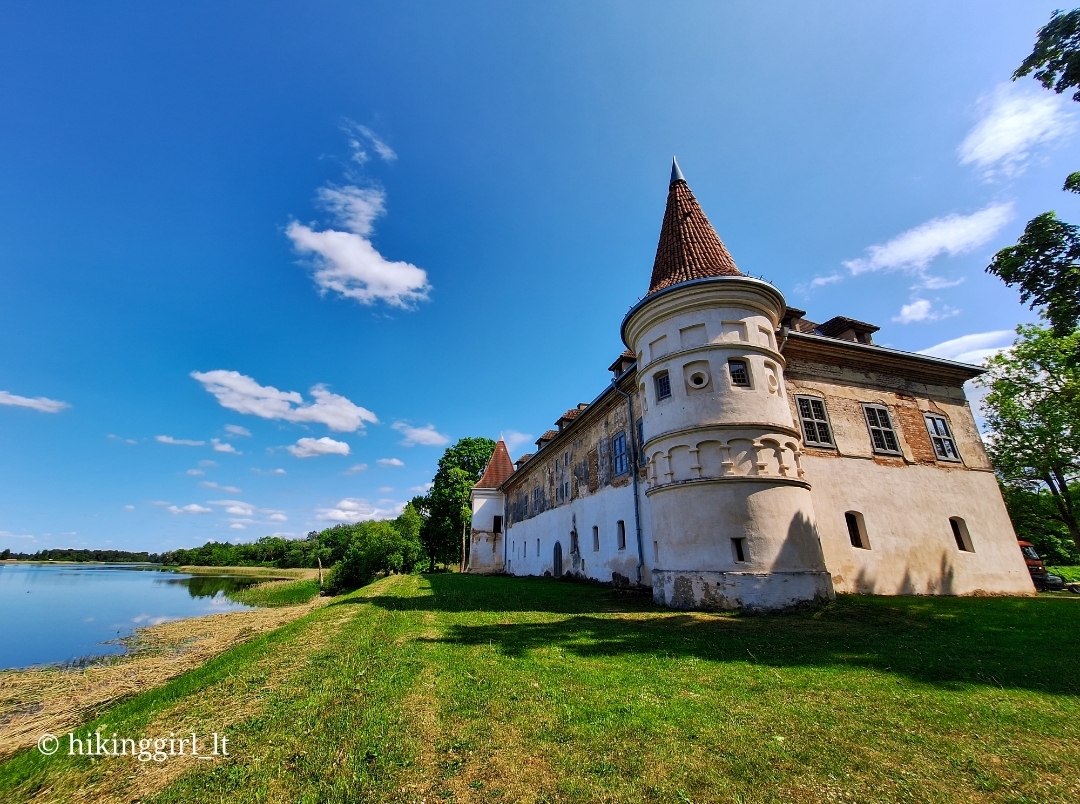
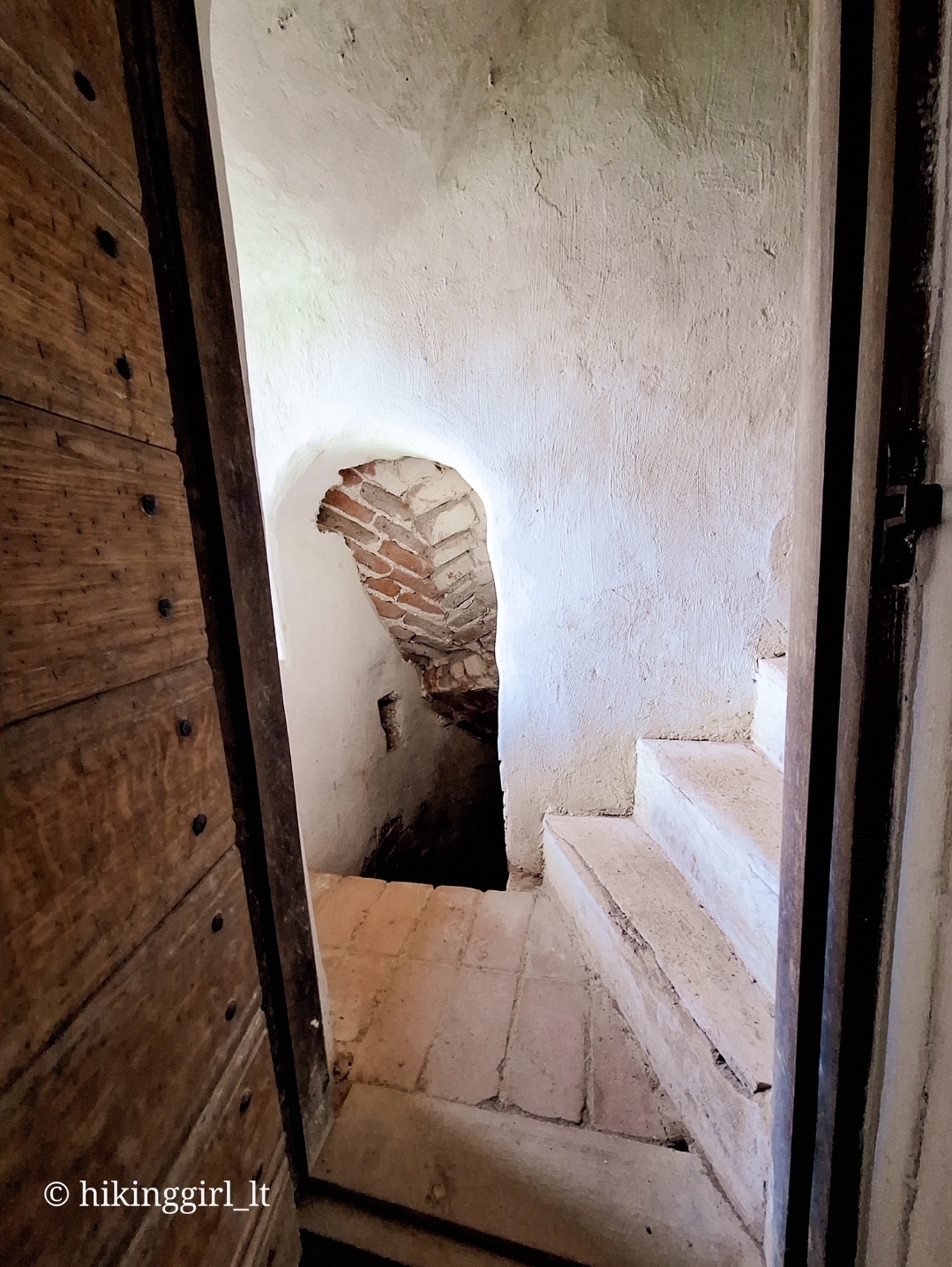
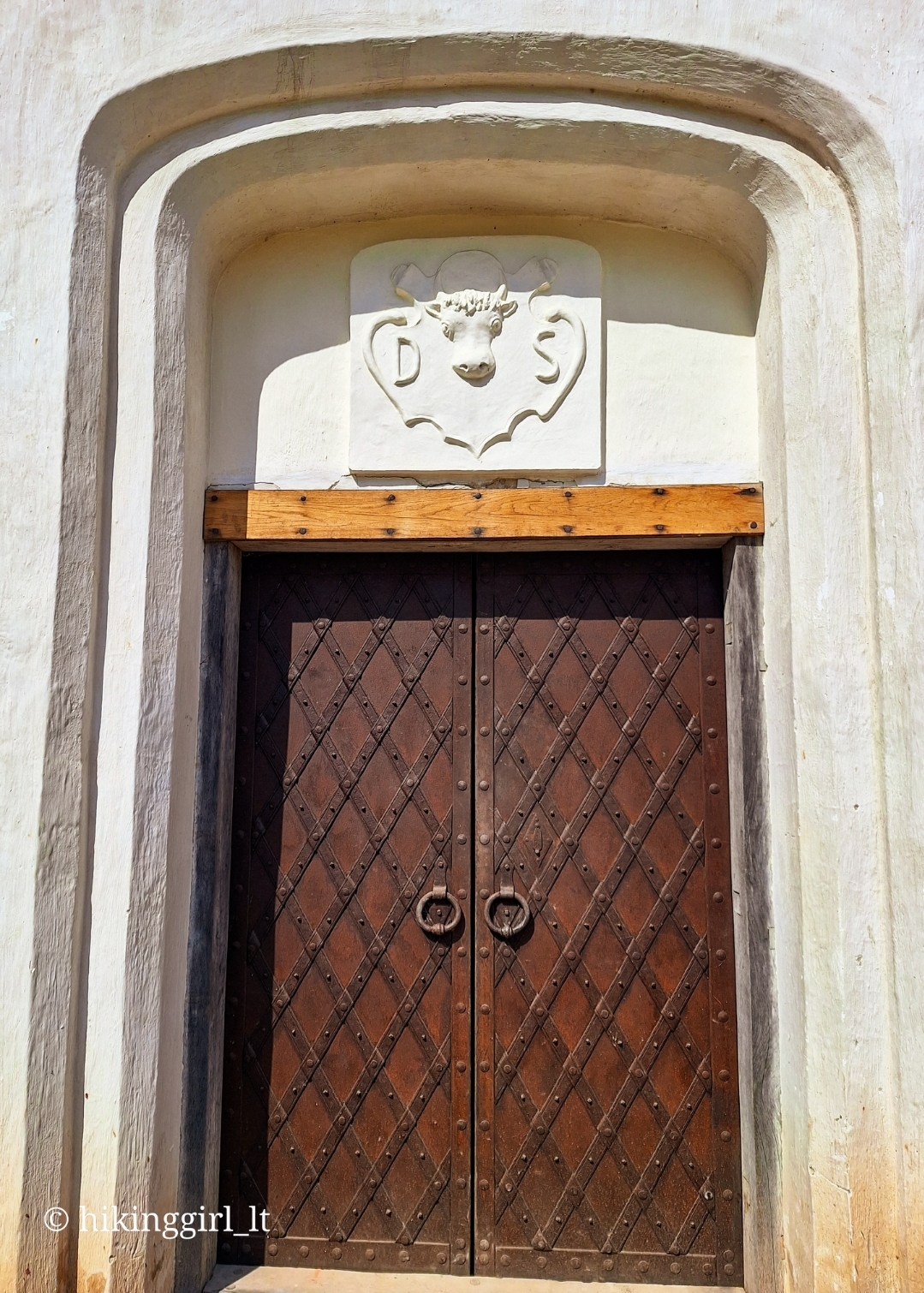
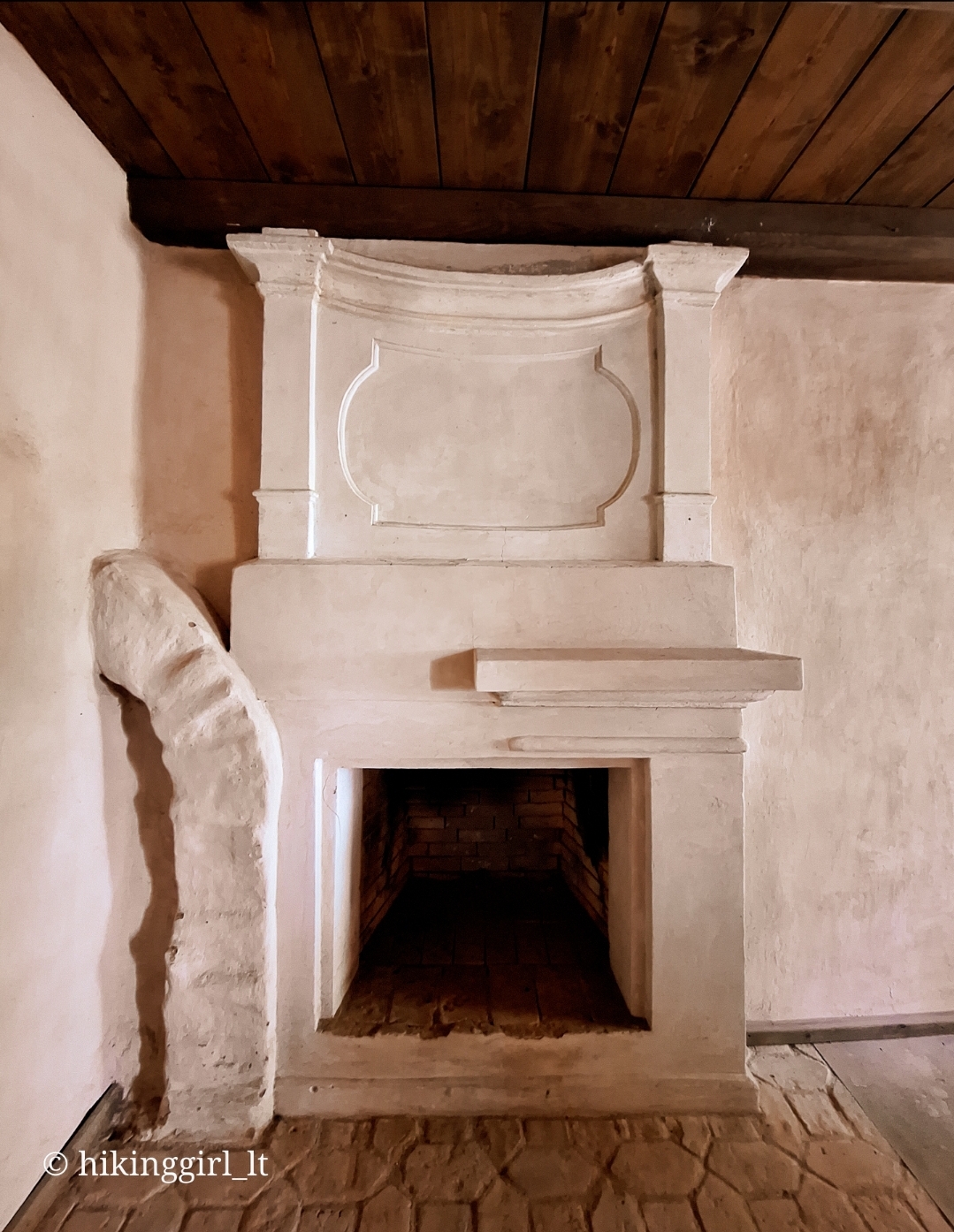
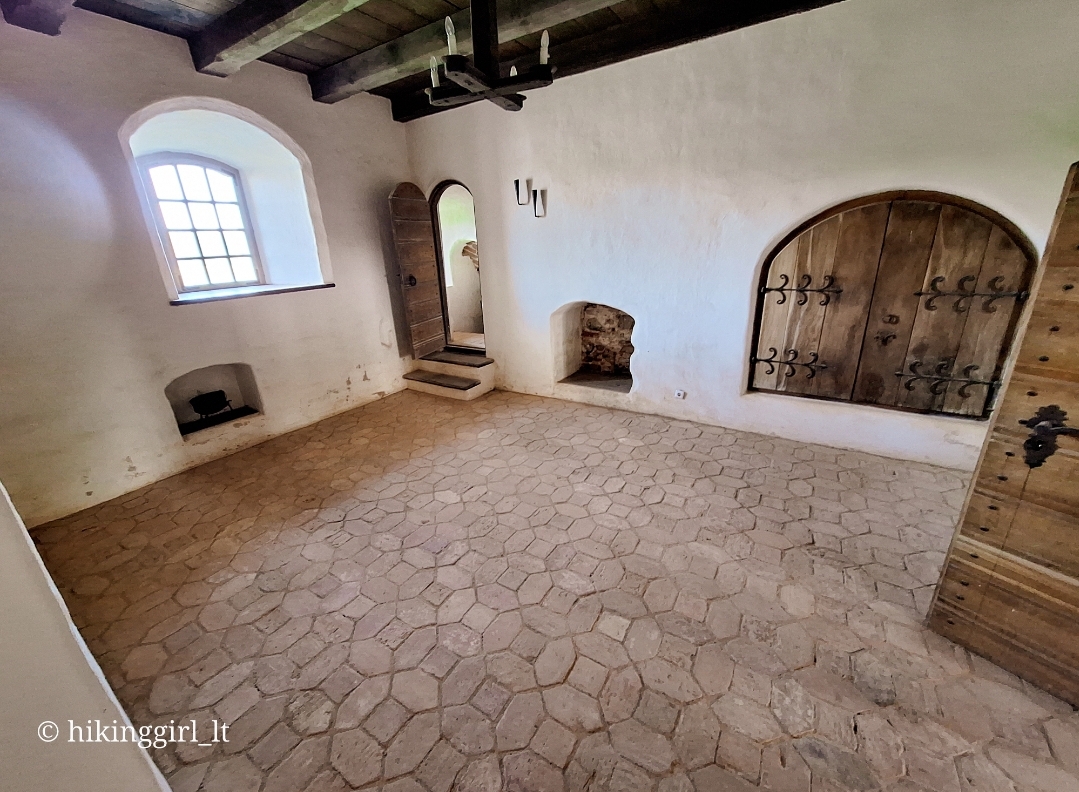
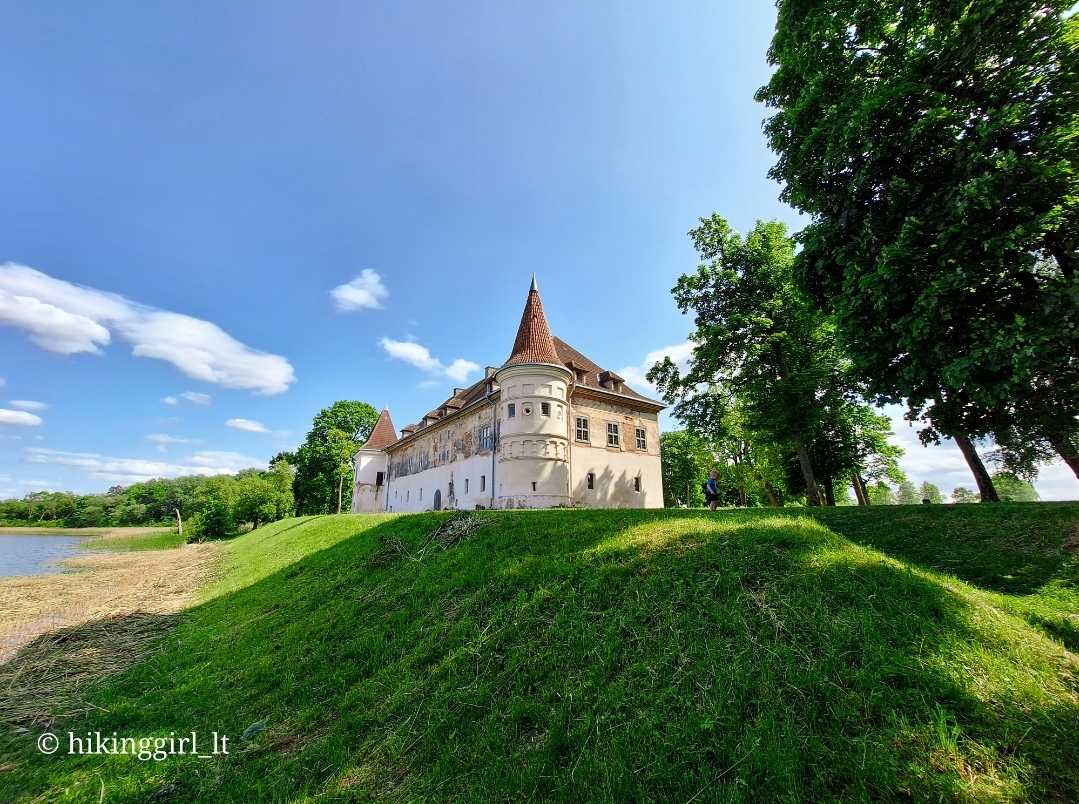
Siesikai Castle, a 16th-century Renaissance manor in Ukmergė district, was built by Gabriel Daumantas-Siesickis and later owned by the Radziwiłł and Daugėla families. In the 19th century, the palace gained neoclassical features and became a cultural hub known for its art collections and rich library.

The castle was repeatedly damaged—set on fire by the Swedes and its archives lost during World War I. After World War II, the building served various purposes before being abandoned. Restoration began in 1999, and in 2019, the castle became a branch of the Ukmergė Regional Museum. Today, it hosts historical exhibits and educational activities.

Info

  • information

    Castles

Share:
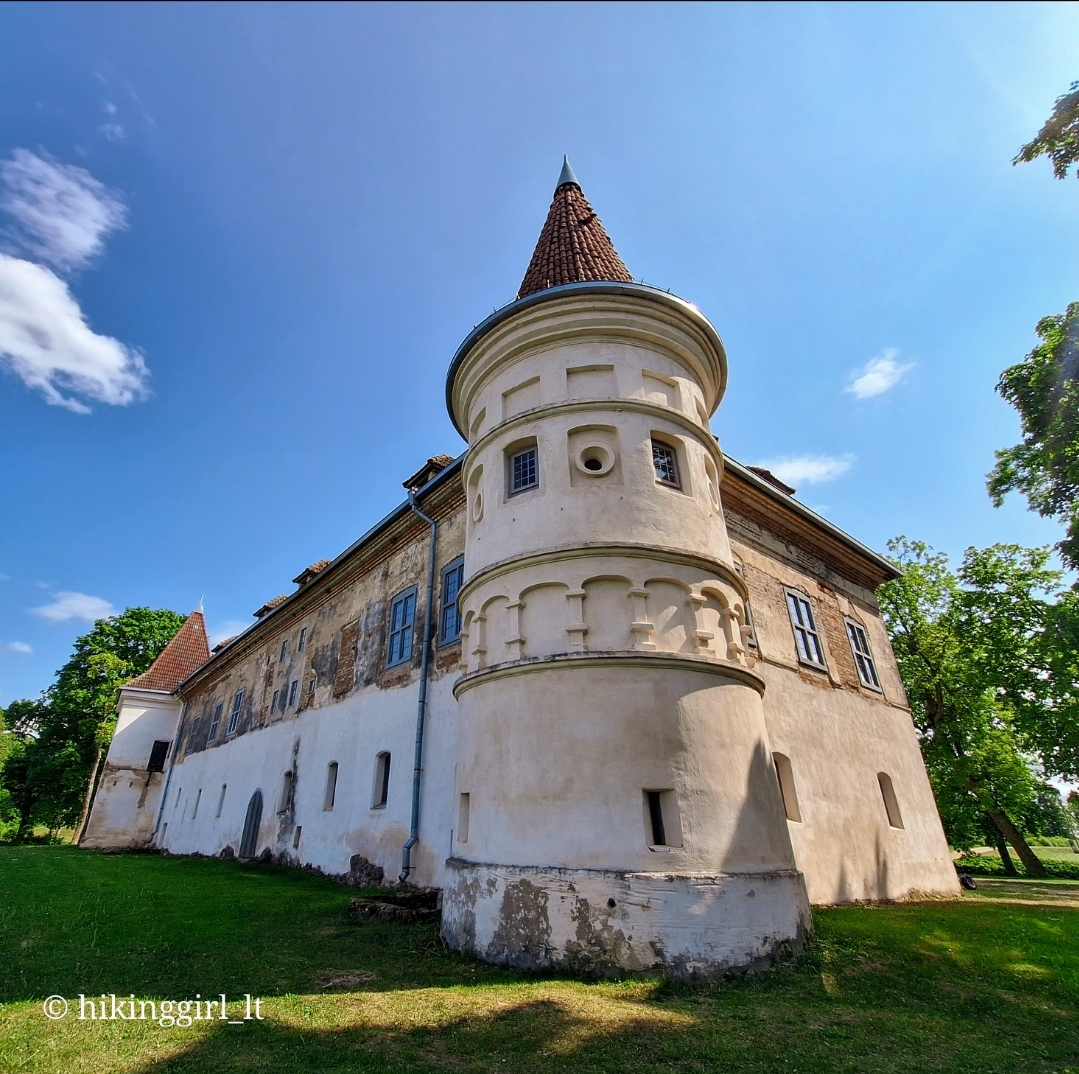
Siesikai Castle is one of the oldest surviving Renaissance-style castles in Lithuania, located in the Ukmergė district, on the shores of Lake Siesikai. It was originally built in the 16th century as the Daumantai-Siesickiai Manor, which over time belonged to various noble families and was repeatedly reconstructed. The manor complex consists of five buildings: the palace, the “academy” (school), a distillery, a granary, and a pigeon loft, all surrounded by a park. The castle was constructed around 1517 at the initiative of Gabriel Daumantas-Siesickis and was originally surrounded by defensive moats connected to the lake. Throughout its history, the castle faced destruction several times—most notably, in 1704, when it was set on fire by the Swedish army. After 1713, the Siesikai Manor was passed to the Radziwiłł family, and later, in 1745, to the Daugėla family, who owned it until 1940. In the mid-19th century, Dominykas Daugėla renovated the palace, adding neoclassical elements. Only two towers remained, and stables and storage
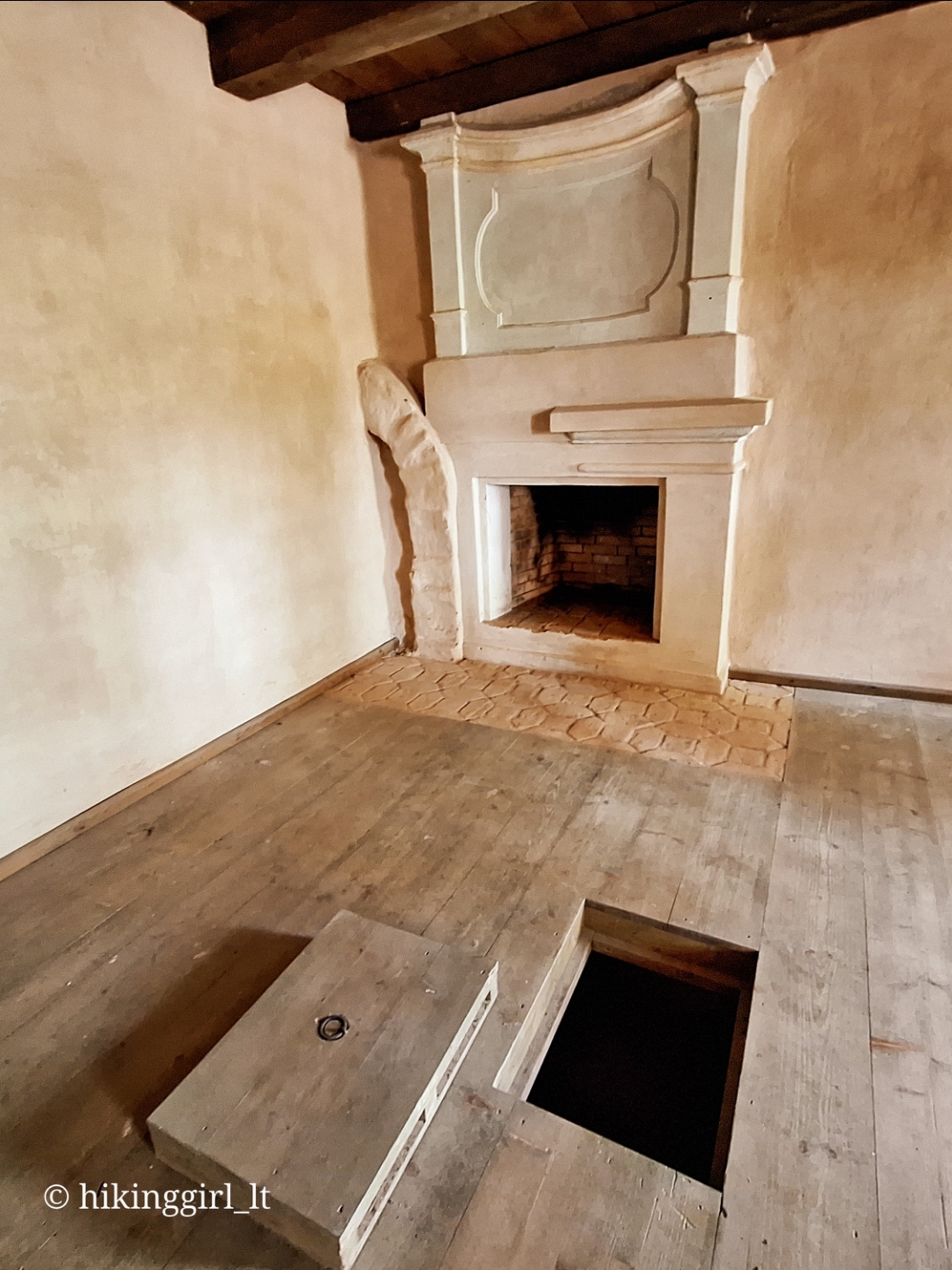
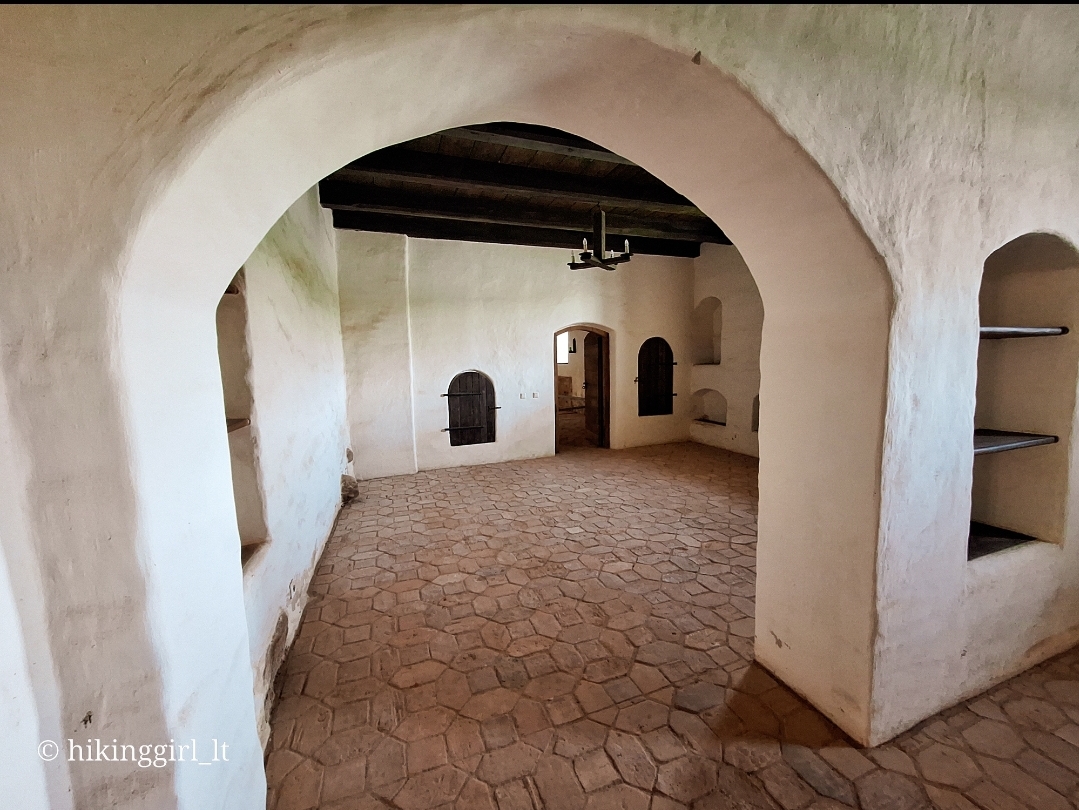
buildings were constructed. During this time, Siesikai Castle became renowned for its impressive collections, including paintings, sculptures of Lithuanian deities, numismatics, porcelain, silver artifacts, and archaeological finds. Unfortunately, during World War I, archives and art treasures were lost, and after 1940, the remaining artifacts were looted. In the early 20th century, a neoclassical building, called the “academy,” was constructed next to the palace for the Daugėla children’s education. A 10-hectare park was also created, with ancient cannons adorning the entrance. After World War II, the castle was repurposed for various uses, including as a school, collective farm office, and cinema hall, but eventually fell into neglect. In 1999, the manor was leased, and restoration work began. In 2018, the castle was handed over to the Ukmergė District Municipality, and in 2019, it became a branch of the Ukmergė Regional Museum. Restoration efforts are currently underway to restore the authentic Renaissance style.
Found a mistake? Report

Whats new?

2025-11-17

Three impressive Baltic seaside spots: Olando Kepurė, Veczemē Cliffs, Pakri Cliffs
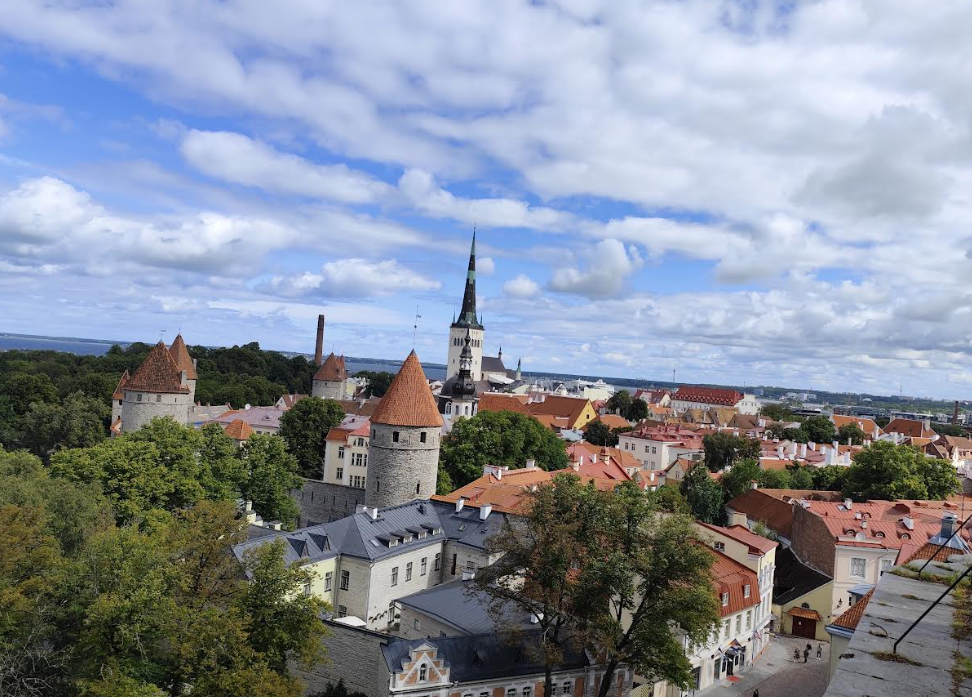
The Baltic coast is a place where the land and the sea are in constant conversation. Where waves sha...
Read more
2025-11-13

Discover Tallinn Old Town with MyTravis: a medieval spirit that surprises you at every step
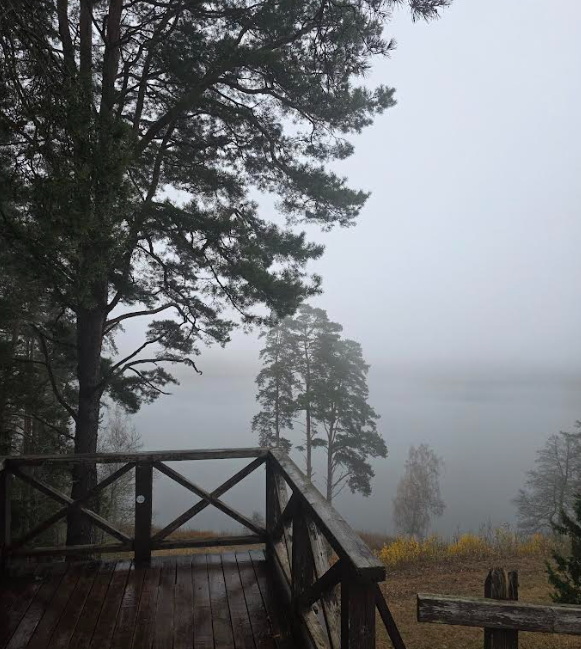
Tallinn’s Old Town is like an open-air museum. A member of the MyTravis team, after visiting Estonia...
Read more
2025-11-12

Women's hike through the mystery of the fog from Ginučiai Hillfort to Ladakalnis
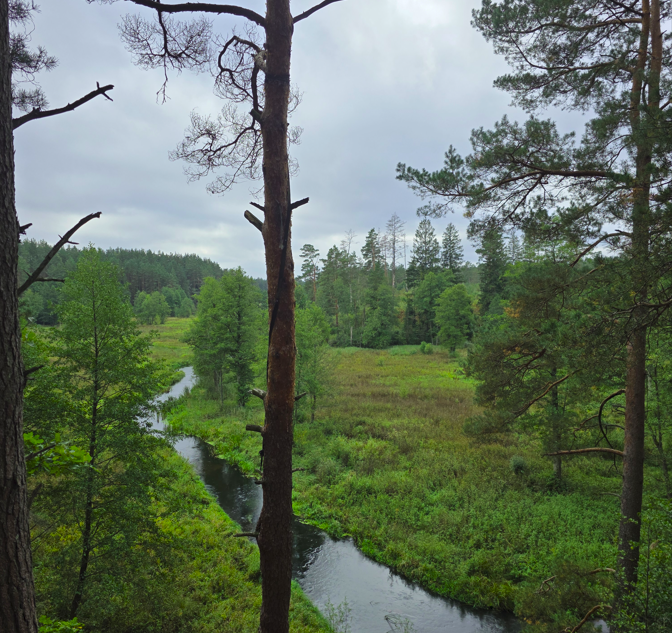
The third Women's Hike was organized by the club's founder, Ada Vėtrė, whose idea to bring women tog...
Read more
2025-09-24

The first women’s hiking club hike in Marcinkonys: nature’s beauty, legends, and togetherness in Dzūkija
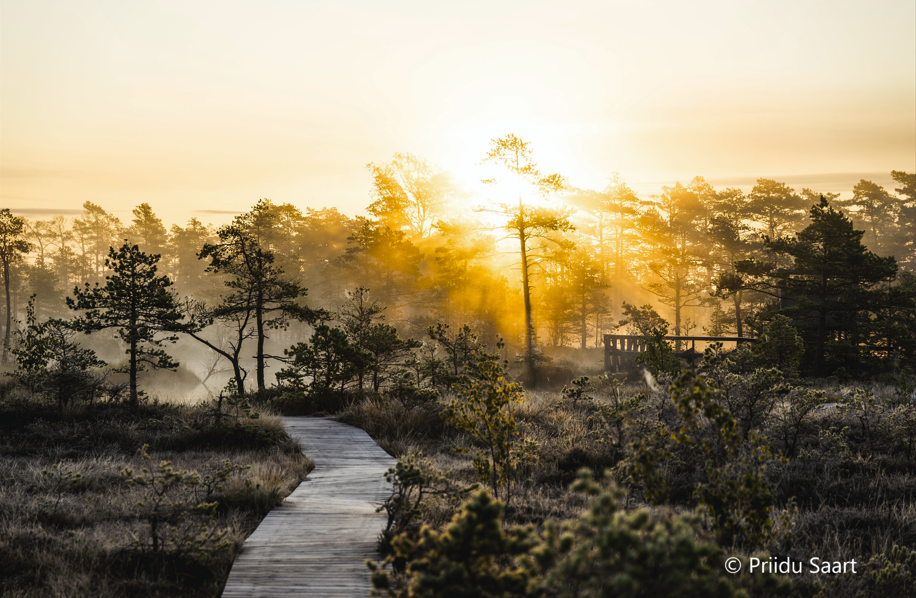
On September 20, the first Women’s Hiking Club hike took place in Marcinkonys, organized by the club...
Read more
2025-06-15

Nature Trails in the Pärnu Region: A Journey Through Estonia’s Natural Treasures
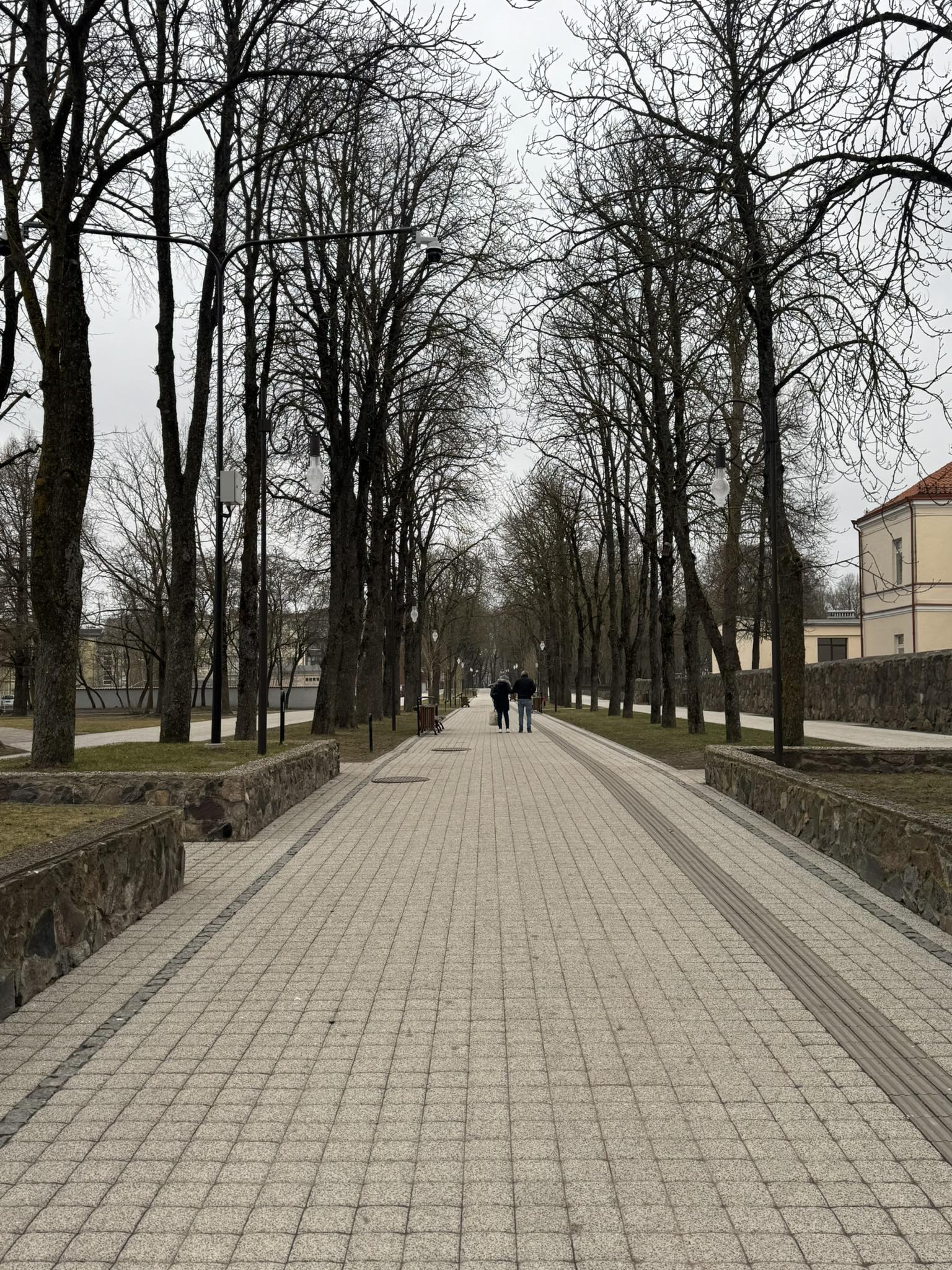
The Pärnu region of Estonia is renowned not only for its resort town and coastline but also for its...
Read more
2025-03-30

Šiauliai Chestnut Alley – a place where dozens of chestnut trees bloom
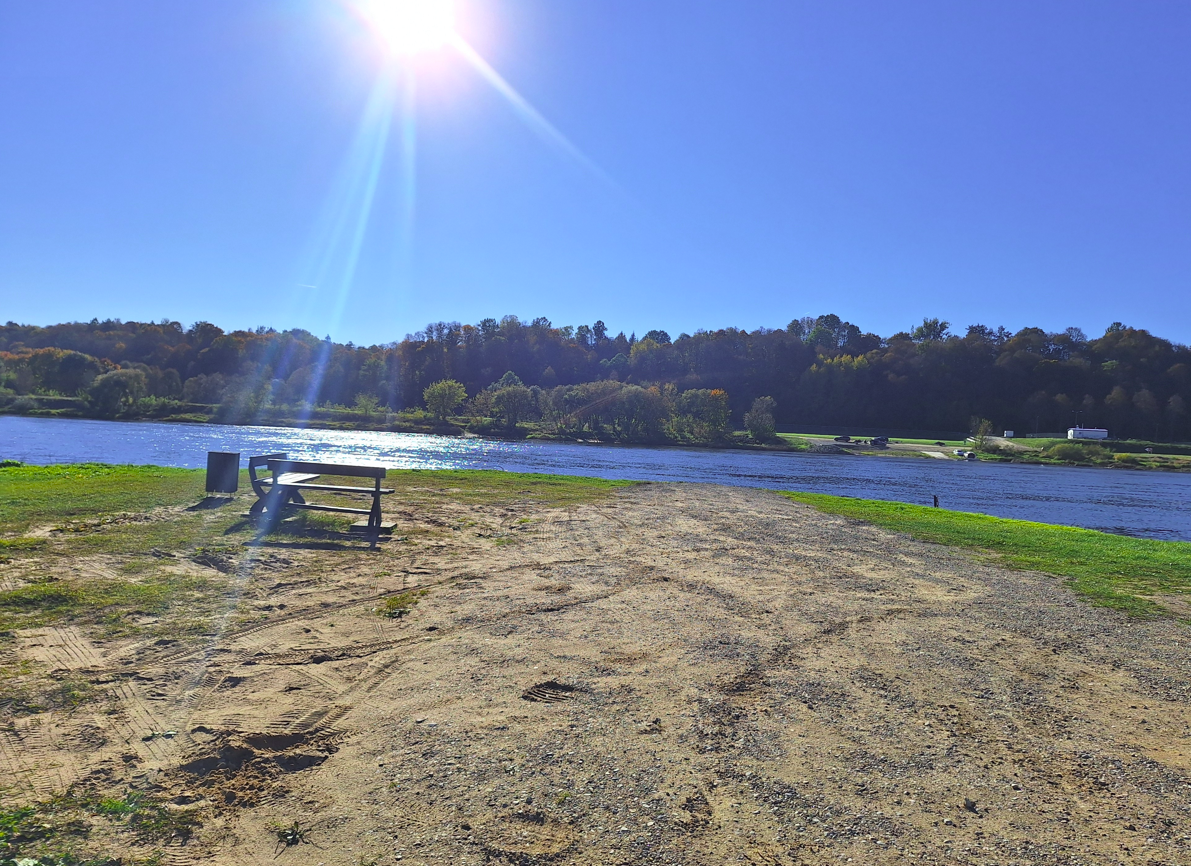
Chestnut Alley in Šiauliai – a unique spot in the heart of the city, where the beauty and delightful...
Read more
2025-03-29

Kulautuva – the Pearl of the Nemunas Shore: What to See and Do?
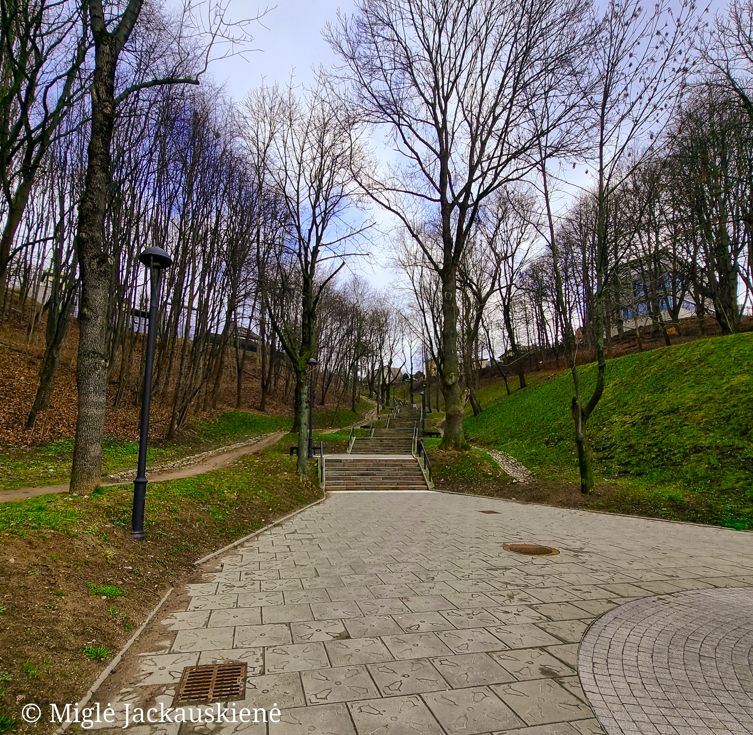
Kulautuva – a small but charming town in the Kaunas district, surrounded by pine forests and stretch...
Read more
2025-03-28

Kauko Stairs in Kaunas – Woven with Myths and Natural Beauty
Kauko Stairs – a favorite spot for both locals and visitors of Kaunas, where the extraordinary beaut...
Read more
2025-03-27

Kaunas Beast: A City Symbol Shrouded in Legends

Not every ordinary Kaunas resident knows what secrets lie behind the historic walls of Kaunas Castle...
Read more