Entertainment
 Food establishments



























The Bernotiškiai Chapel

1478

1

0
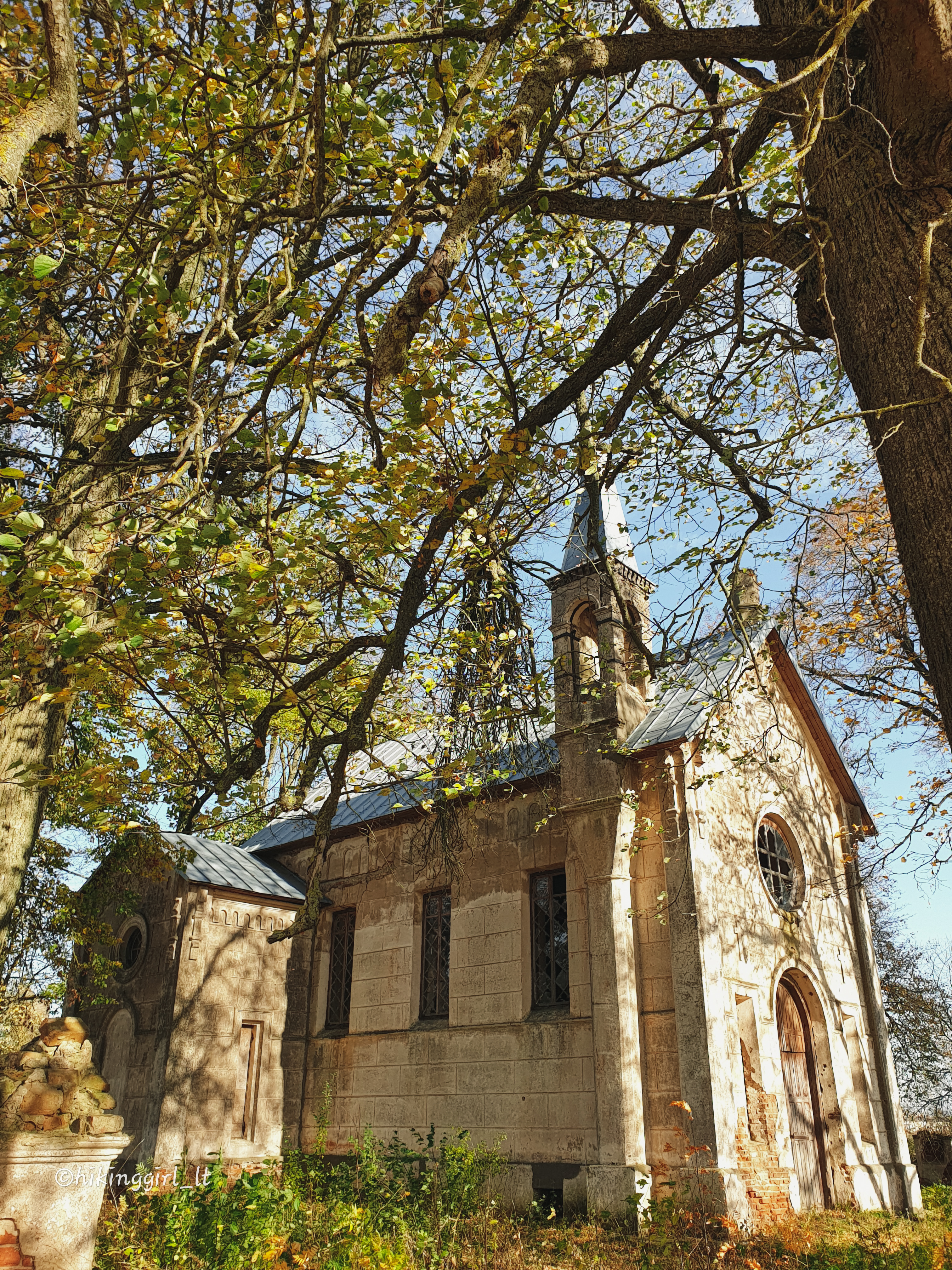
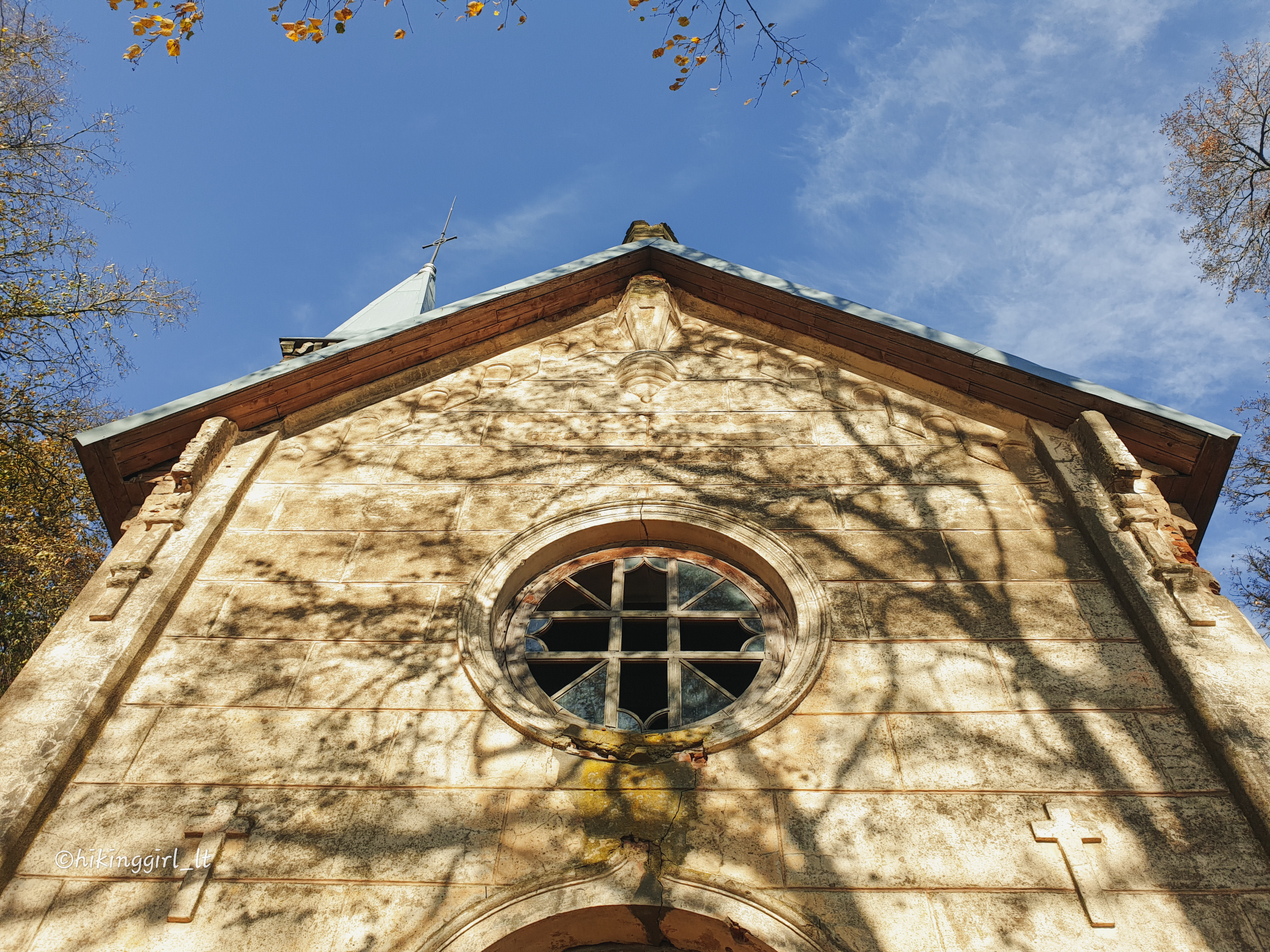
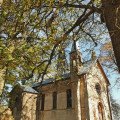
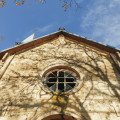
The Bernotiškiai (Šalkava) Chapel is a local cultural heritage site built in the late 19th century in the Ukmergė district. It is the only surviving structure of the Šalkava Manor, which was destroyed during the Soviet era. Over time, the chapel became abandoned. It stands out with its historicist architecture, red brick masonry, and preserved decorative elements. During the interwar period, it was actively visited by believers, and during World War II, it became a center of anti-Soviet resistance. Although the chapel is no longer in use, it retains a historical aura, and in 2008, it served as a filming location for the award-winning Lithuanian movie Geležėlė.
Info
-

Religious Heritage
 55.301546, 24.803321
 Get directions
-preview.jpg)
-preview.jpg)
Whats new?
Three impressive Baltic seaside spots: Olando Kepurė, Veczemē Cliffs, Pakri Cliffs
Discover Tallinn Old Town with MyTravis: a medieval spirit that surprises you at every step
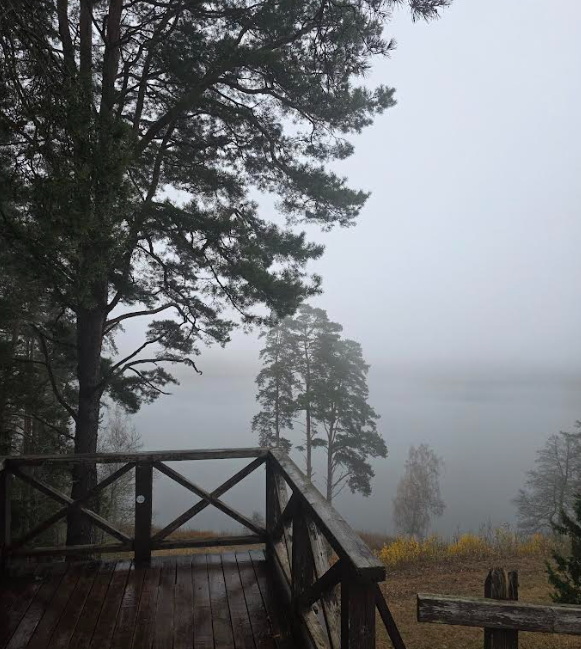
Women's hike through the mystery of the fog from Ginučiai Hillfort to Ladakalnis
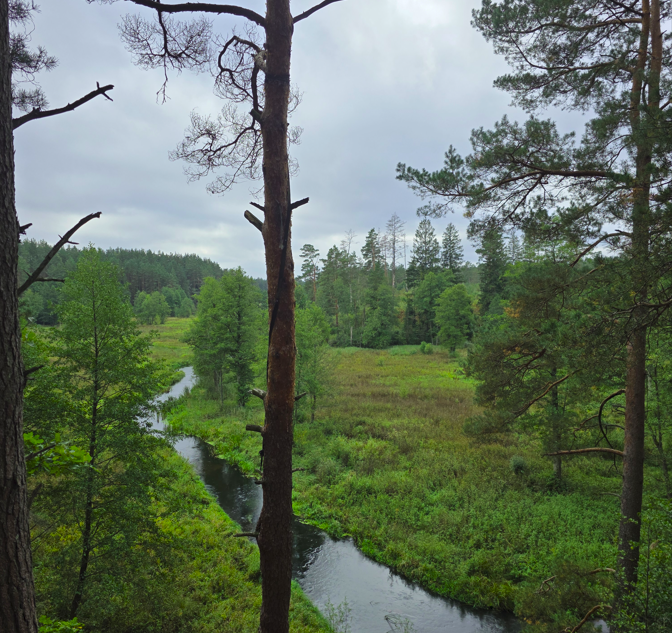
The first women’s hiking club hike in Marcinkonys: nature’s beauty, legends, and togetherness in Dzūkija
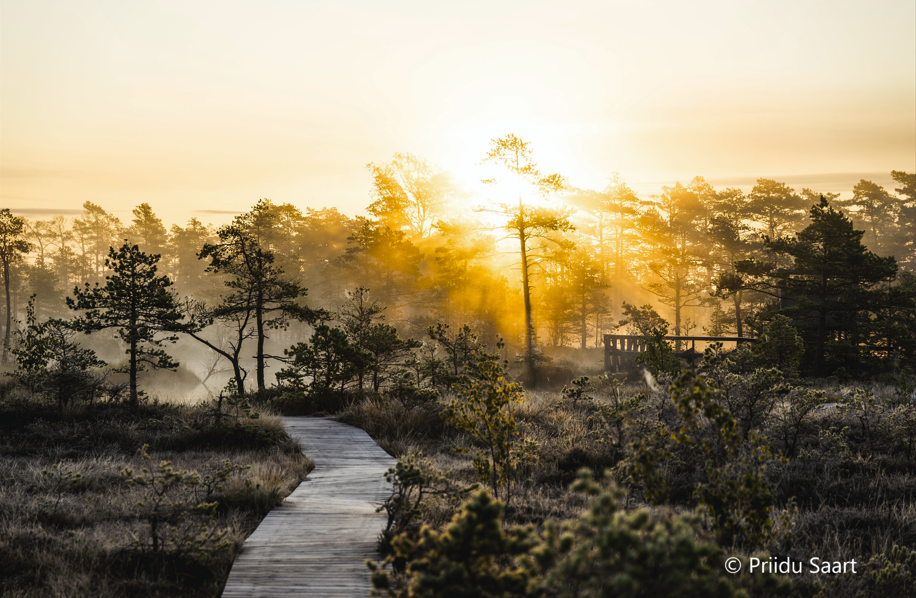
Nature Trails in the Pärnu Region: A Journey Through Estonia’s Natural Treasures
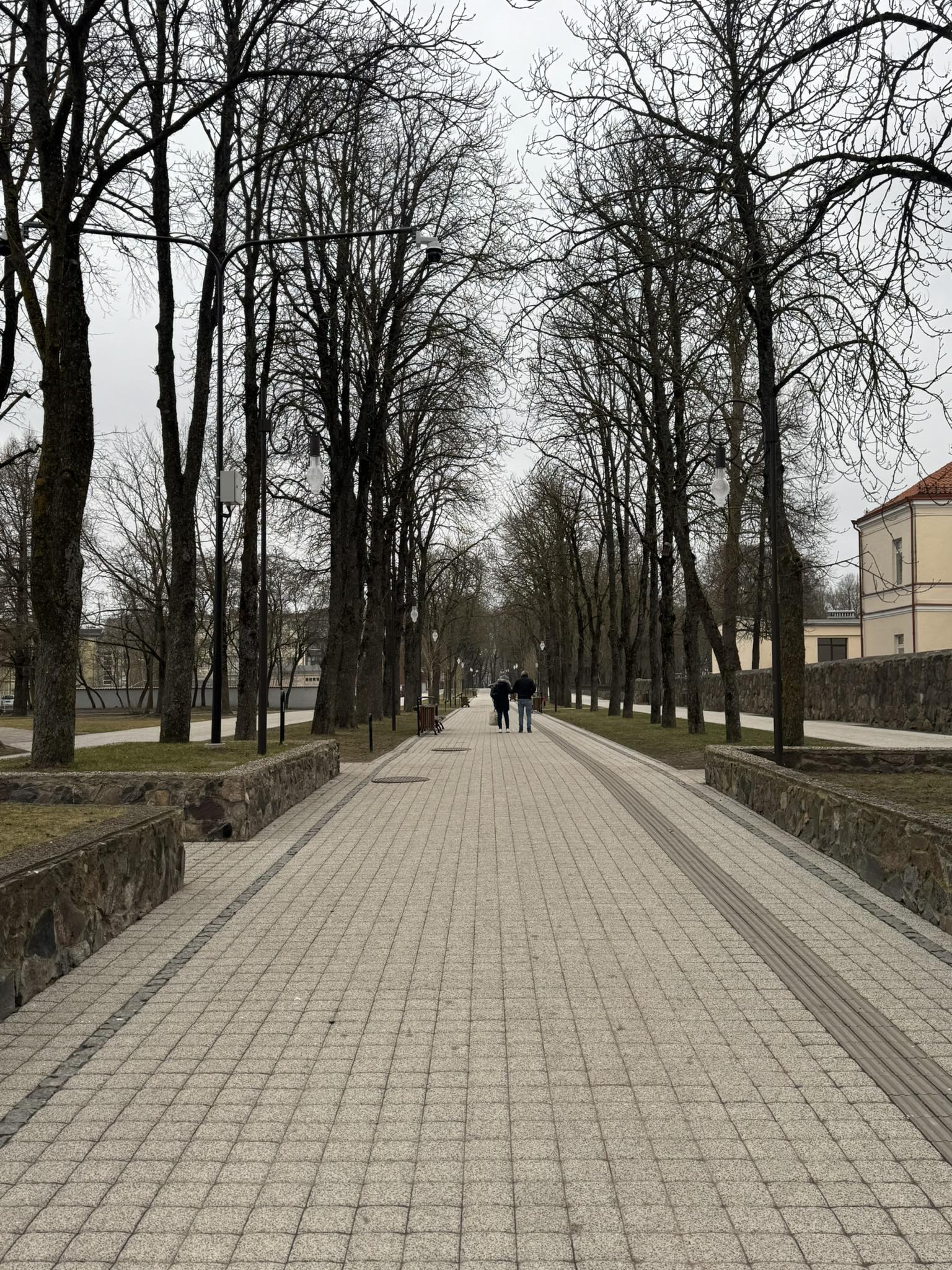
Šiauliai Chestnut Alley – a place where dozens of chestnut trees bloom
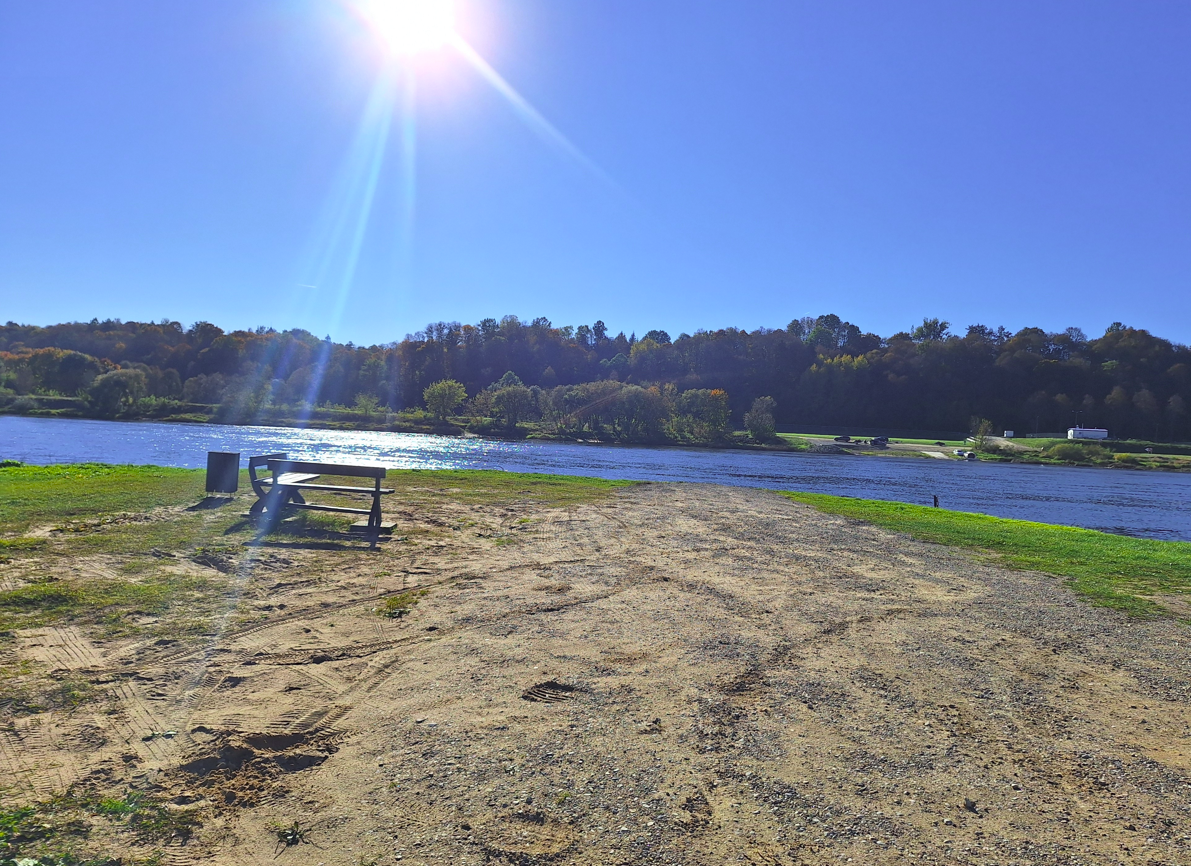
Kulautuva – the Pearl of the Nemunas Shore: What to See and Do?
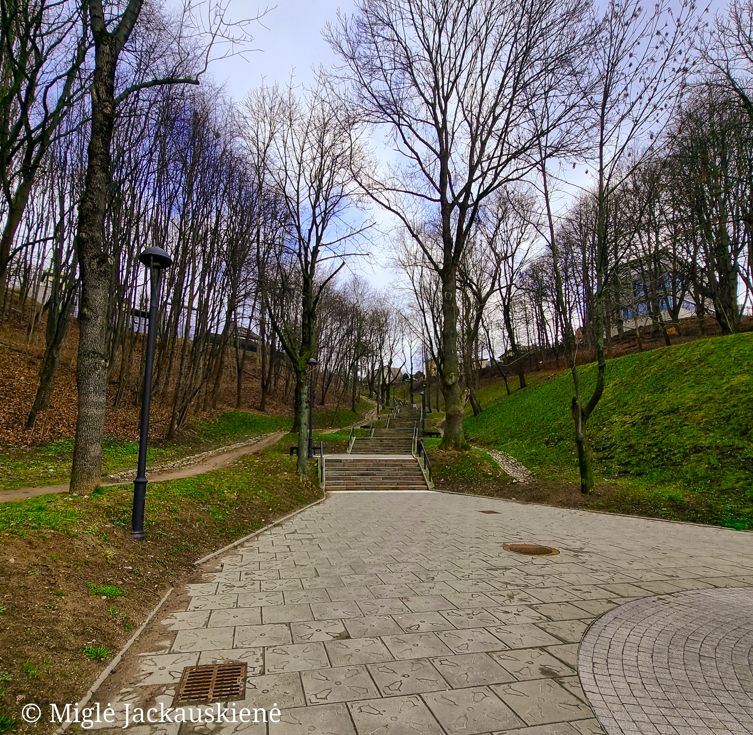
Kauko Stairs in Kaunas – Woven with Myths and Natural Beauty
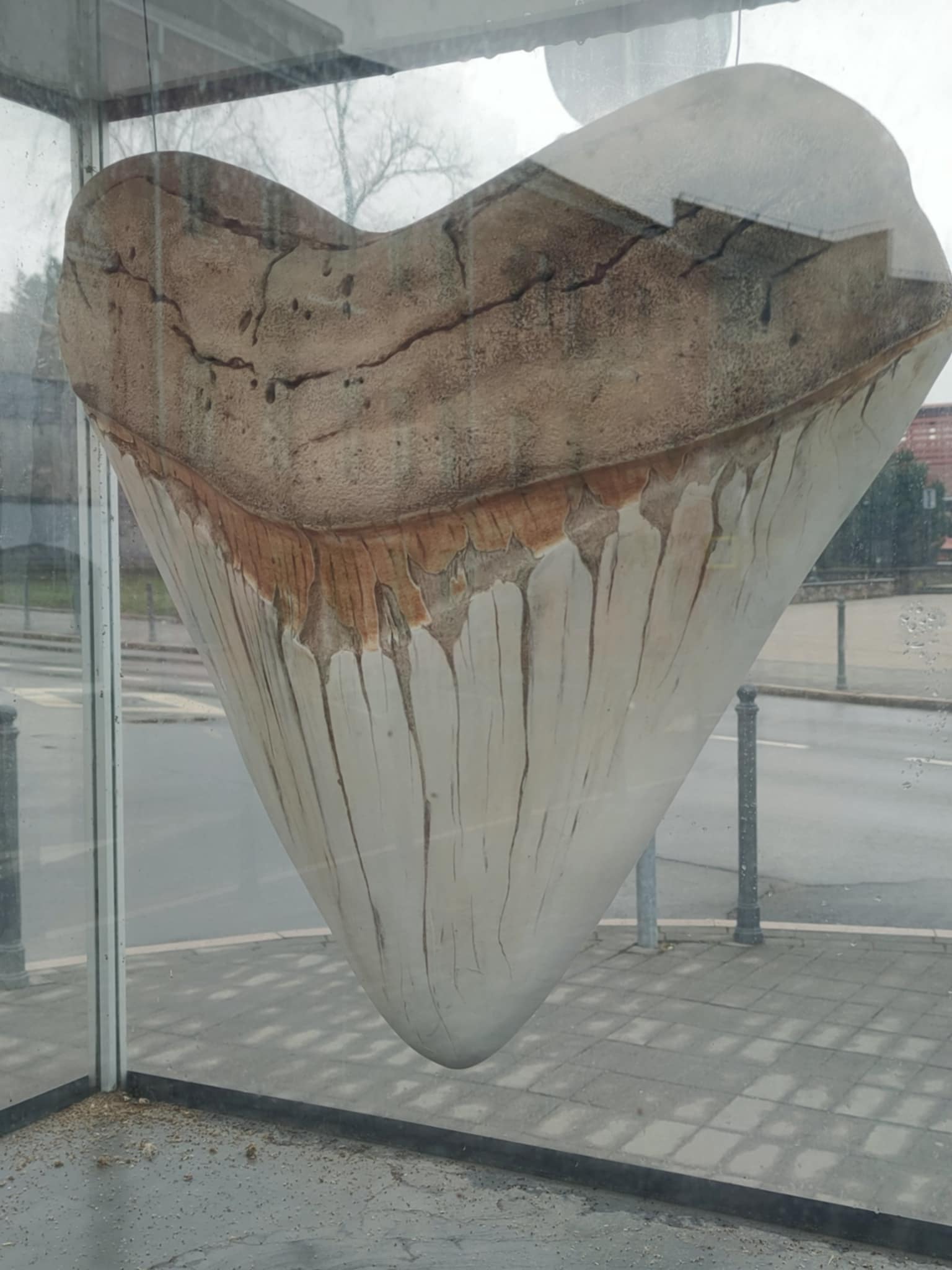
Kaunas Beast: A City Symbol Shrouded in Legends
Info
Mytravis
Cities

A life full of travel is a source of good mood!
© 2026 MyTravis - All rights reserved | Privacy policy
.jpg)
.jpg)